An Apology…

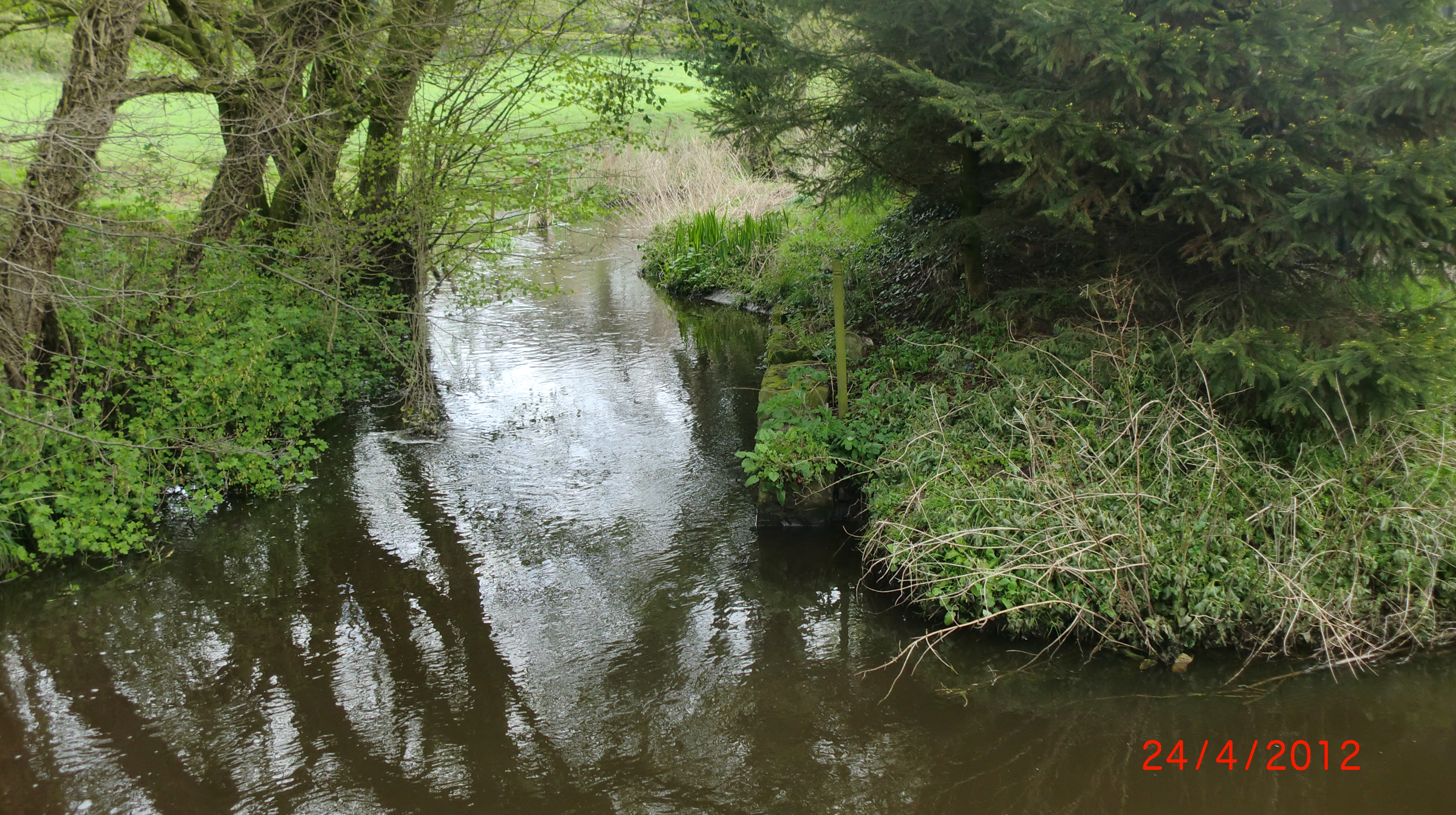
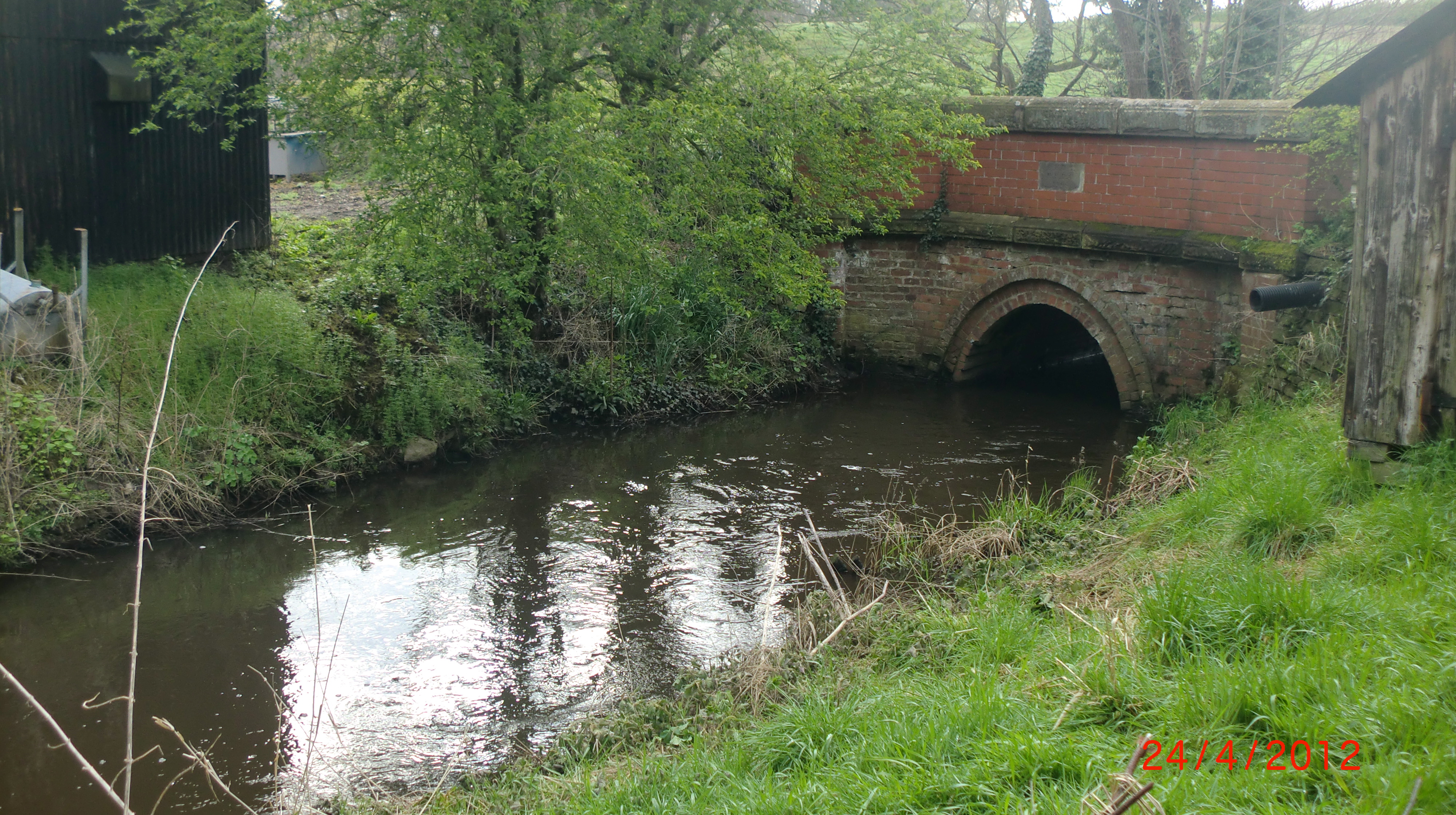
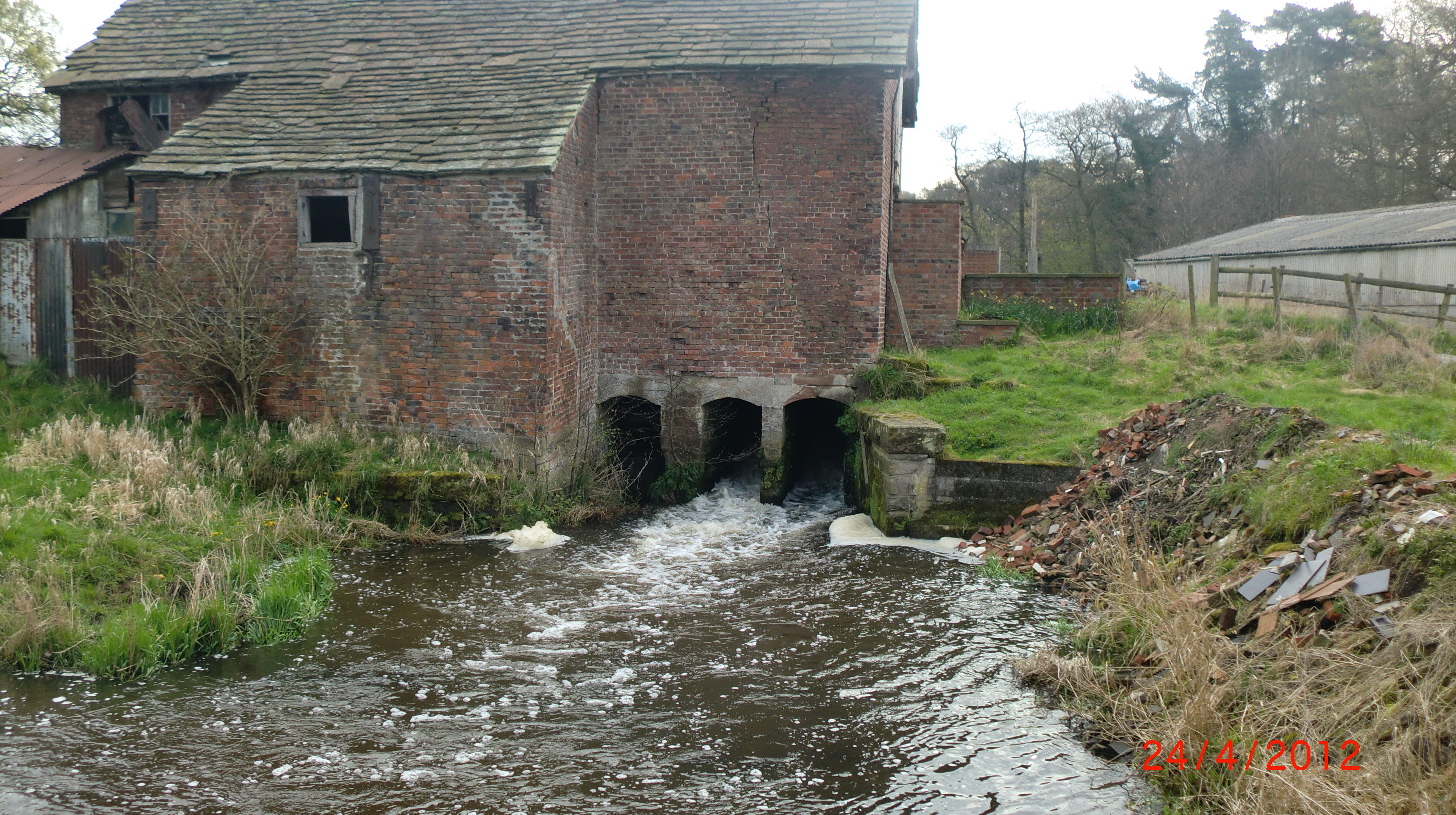
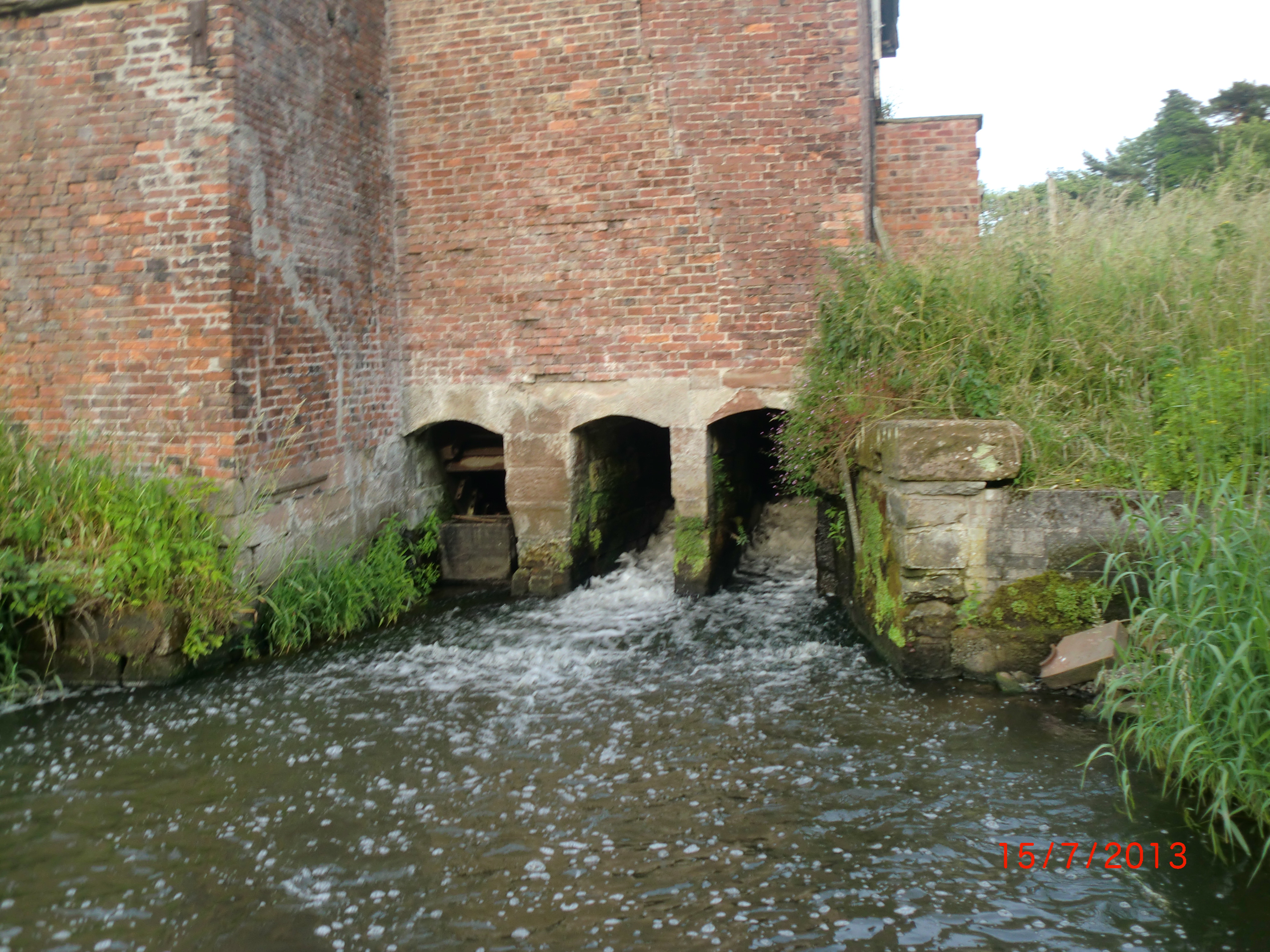
I have been ‘called out’ for promoting poaching on the River Hiz.

That’s OK, but it is from people who do not know me. And the very same people have failed to demonstrate any sense of enquiry, to understand more, before penning accusatory notes to me. But that’s social media for you.

I have a rod on three syndicates on precious chalk streams and in addition I, am a member of two angling clubs. I spend several £000’s every year for the privilege of this fishing. And, also, I commit bids to charity auctions to find fishing for wild trout in interesting places.

I once have accidentally strayed, but only once, and to see how I felt about this, just read –https://afishermansjourneythroughwales.wordpress.com/category/cardiff/

When I discovered that what I was told by local folk was ‘free fishing’ on the common land at Ickleford, I was upset to discover that it is not. So, to those who I have offended, I offer my apologies.

One correspondent, actually sent me a copy of the Minutes of a Parish Council meeting in June 2013, when it was decided that signs would be placed on the Common indicating that fishing was prohibited. Such was the Parish Council’s determination on this point, that there were no signs on the occasion of my visit to this Common land two years later in 2015, and as of today, SEVEN years after the decision to install such signs, I gather that there still are none!!!

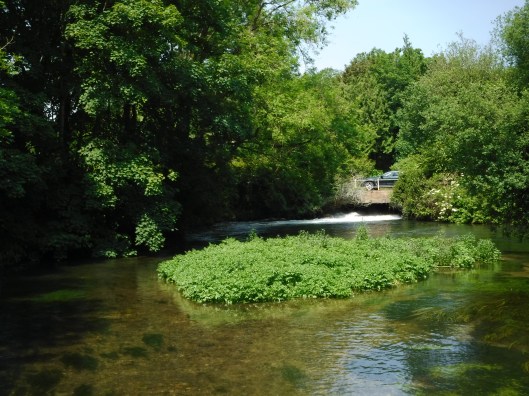
PLEASE, dear Reader, if you think you can fish this once beautiful chalk stream, now overgrown and in desperate need of some tender and loving care, you cannot.

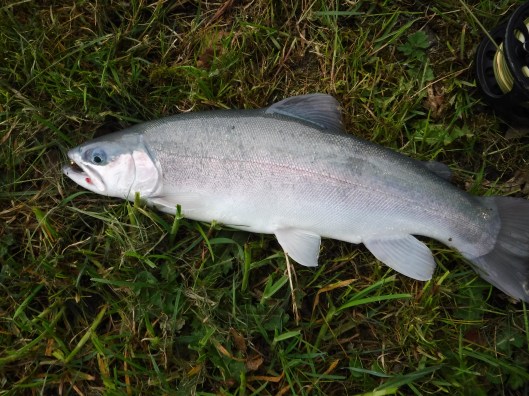
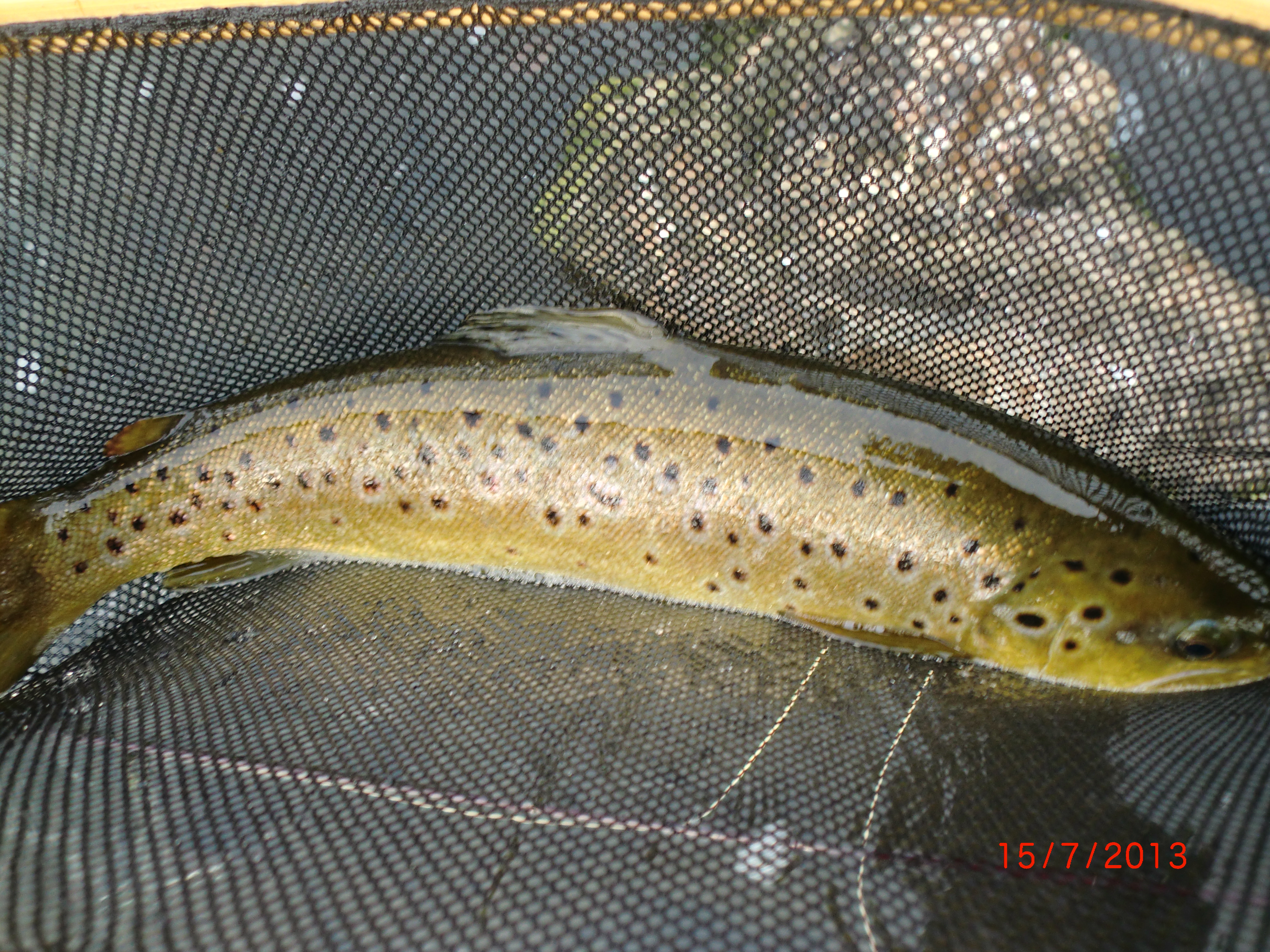
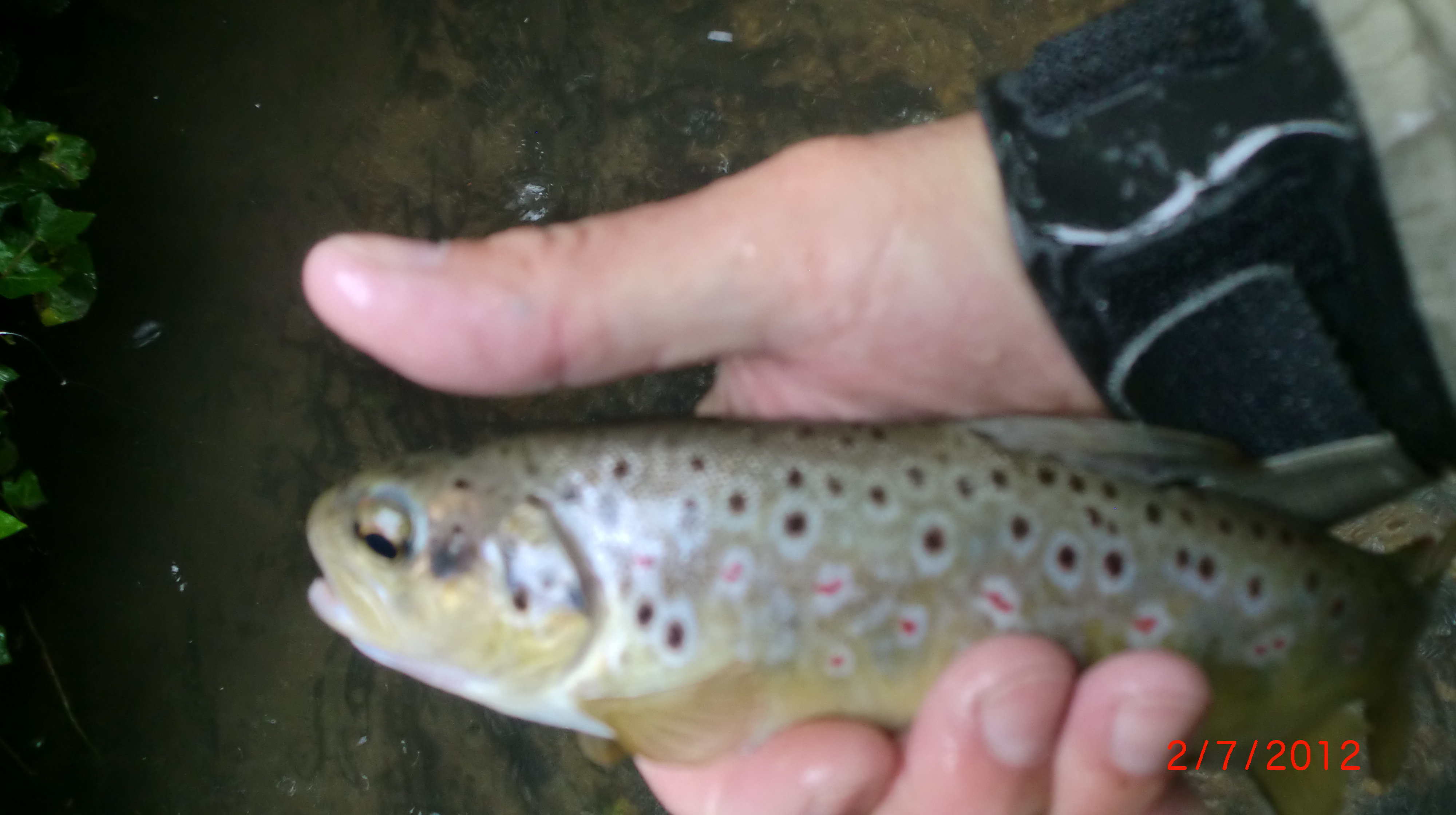
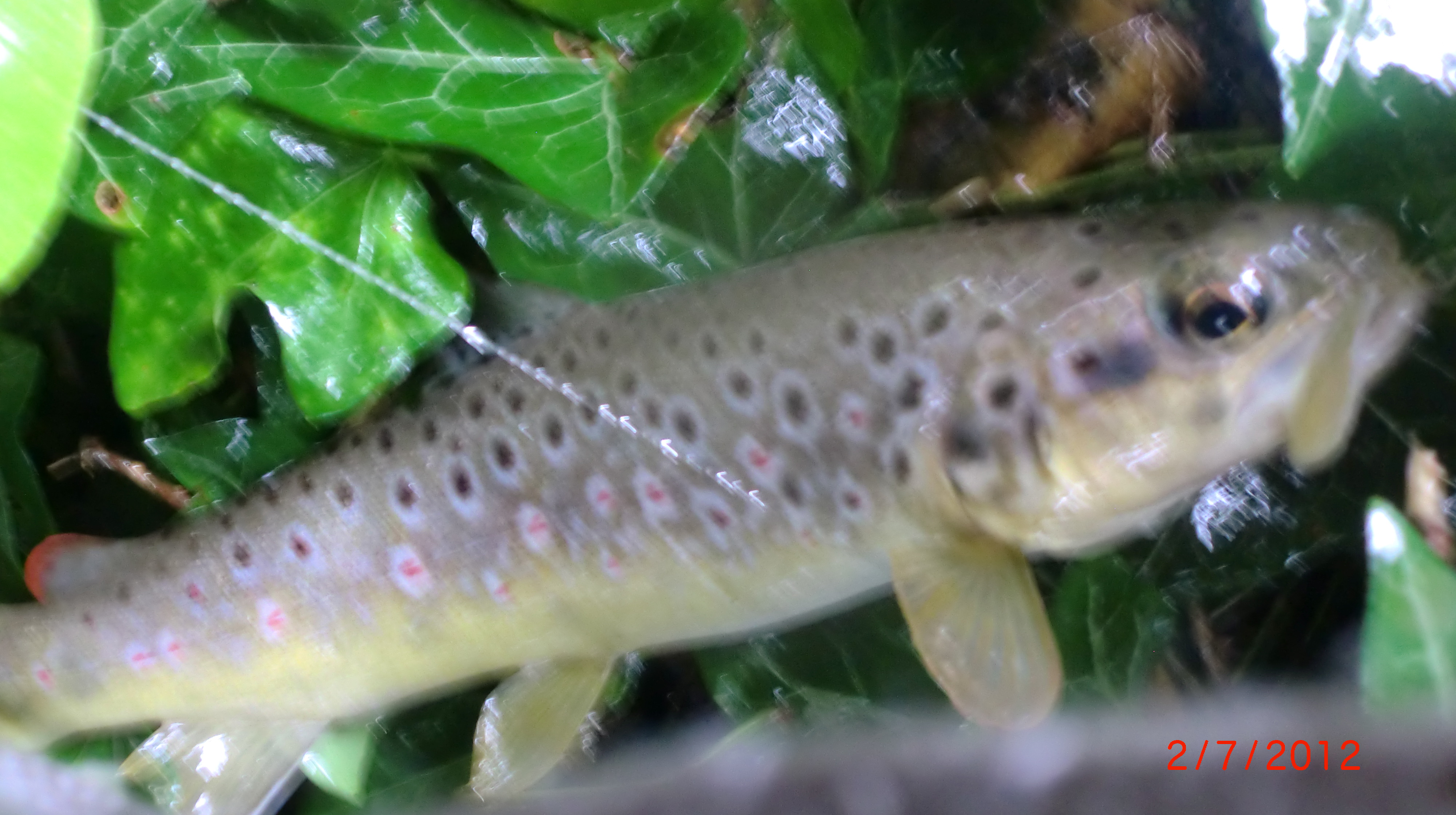
Shame, because there are some stunning wild brown trout there.

The Ginger Beer Beat

Tags

, , , , , , ,

If you are a fisherman you will get this.

If you are not, you may not.

But when a fisherman, the most generous of species ‘homo sapiens’, invites someone who is not a fisherman, to try…

Then links him with someone of patience who wishes to share, to impart…

Some magic can happen.

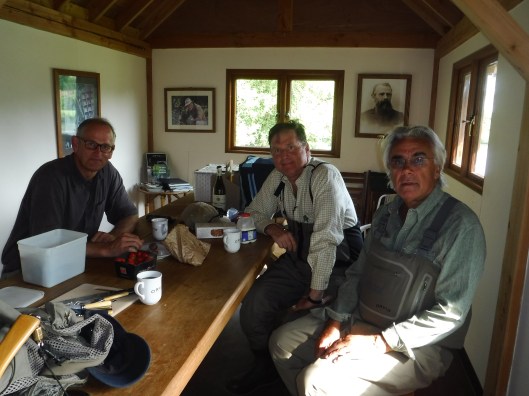
Such was my day with Satts (Chris Satterthwaite) and novitiate, Ed Pickard, Satts’ running chum, who has never fished before, therefore. Which is why Chris organised Orvis guide/instructor, Brian Robinson (surely one of the best guides in Hampshire) to assist Ed’s entry to our lovely world.

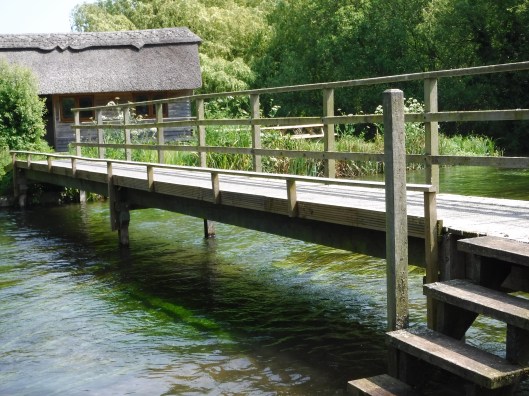
Coffee and early day exchanges done, it was to the riverbank, for some explanation from Brian, of the history of the English chalk stream, and on this bridge

DSCF5124

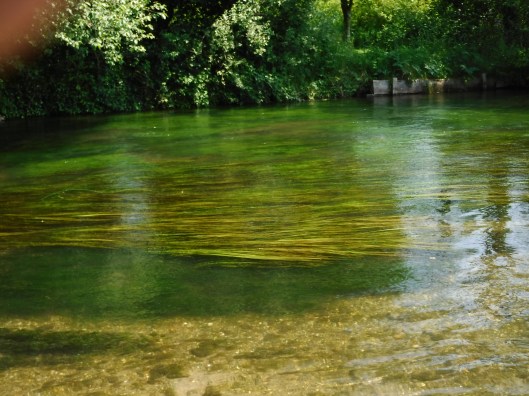
from where we all wondered at the streaming weed, the clear water and the odd fish, holding quite deep. A Mayfly excited, but there were not many, which led to a discourse on what worries so many – the state of our chalk streams and the impacts of man’s actions on them. (The S&TC UK deserve all our support for raising the profile of this problem)

Kitted up, Chris and I walked the beat, leaving Brian to get Ed casting, and before long, Brian declared that Ed was “getting it”. So many listen to his casting technique suggestions, he said, and then put them into practice, but then just as quickly, forget to. But Ed, an eager listener (and hearer!) quickly understood the 10pm to 1pm orthodox, and whilst once or twice the rod dropped to below the horizontal on the back cast (and whose doesn’t some times) and Brian already knew that Ed, who was already throwing the line sufficiently well to go to the river bank, was ready for lesson two…fish spotting!”

And there were quite a few, on view.

There was little fly life though, just a May or two and a few small olives, and the fish were lying well down in the water, so, in due course, Brian opted for a weighted nymph for Ed’s first cast to the flow.

Many forget that for a beginner, hooking is one thing, but playing, netting and landing, is yet another skill which has to be learnt. But how do you learn to do this before you have learned to hook something. Well Brian’s answer to this was cunning. Both went into serious spotting mode and it was Brian who cast to a targeted fish, and with his considerable experience, he secured an induced take quite quickly, whereupon he handed the rod to Ed, and calmly talked him through the process of getting the fish to net and bank, which he did!

So now it was Ed’s turn, solo! And under Brian’s tutelage, and either side of a delicious picnic, he landed four fish on his own.

hope he will by now be kitted up and ready for another day on the water, for I have rarely seen someone casting as well as he, and so quickly, and his joy from a successful first ever fly fishing experience was palpable., and we were all pleased for him.

DSCF5132

Where next for him? Frensham Flyfishers…and the Wey, will be my bet, for round two! Wonder whether Brian is available!

Happily, Satts and I caught ten fish, or so, an assortment of browns and grayling, and at least two of the browns were wild fish. (But this day was not about us!)

The Ginger Beer Beat is picturesque and is kept (keepered) beautifully as I hope these pictures show:

DSCF5121

DSCF5123

DSCF5131

DSCF5125

Post script: I regret, I am not a fan of the River Test, because it seems to me just daft to have interfered with its natural stock of brown trout by introducing overgrown, aggressive feeding, non breeding rainbows on many, if not all the beats downstream of the A303, in an astonishing trashing of such noble heritage, simply for commercial gain. If those of these beats’/businesses’ clients, for whom catching is so important, still need to, I commend them to the many ‘put and take’ ponds, where they can fish and catch to their heart’s content. For they are not anglers.

Will the owners of these famous beats relent? For it is they who are responsible for this ‘trashing’. Now there’s a challenge…!

So why was I there, then? A hypocrite? No! I was there at the invitation of Chris Satts, who I like enormously and with whom I have fished before and hope to again, and, because of the reputation of a beat, lovingly cherished by Orvis – even if it is slightly overfished.


SURREY

Tags

, , , ,

The Duke of Northumberland owns Albury, through which picturesque village, and in the shadow of the North Downs, runs the diminutive River Tillingbourne, en route to the River Wey, which it joins near Guildford. Toward the western edge of the village is a fishery called Vale End.

Here, the stream offers flow to refresh two man-made lakes which are stocked with rainbow trout for still water preferees.

The shallow stream passes gracefully by the lakes, under the protection of Belmont Wood, and its deciduous heights. It is sandy and gravelly.

The Tillingbourne has a natural stock of small wild brown trout, so there can be no reason to stock the stream, because the more aggressive US ‘arc de ciel’ will likely eliminate the tiny indigenous locals. But escapees, there must be, and so I found there to be.

I have fished it before here, and didn’t (!), and said I would return, and did today on a grey late April morning with the temperature fighting hard to hit double digits, and wrapped up accordingly. There was no fly life or hatch this day, so any residents would be ‘eyes down’ and I set up a duo rig on light tackle for a hoped for, couple of hours entertainment.

When a greedy rainbow realises it is hooked in a seven feet width of stream, it has choices. It can go up and up, or down and further down, or up and down. It can seek refuge in the multitude of tree roots at its disposal, and whichever, on light tackle, the rod holder needs patience. Writers talk about the angler ‘bullying’ the fish into submission, as opposed to the fish bullying the angler. I get that with sailfish in the Indian Ocean, but in a Surrey stream, and a 3-weight…come on!

But I did, and twice.

The first, a solid muscled beaut of about 3lbs,

DSCF5003

and the other, a rather pallid and sky blue version of maybe 1 1/2lbs.

DSCF5005

….but no browns!

CHESHIRE

Tags

, , , , , , , , , , , , , , , ,

Why did I think that Cheshire was going to be easy?

I remember attending a conference in Macclesfield years ago, and thinking then that my road trip passed through what looked like, trouty terrain, and the Pennines are close so, too…but trout streams are few in reality.

Several angling clubs claim that in their waters trout can be found alongside fit barbel, and impressively chump chub, and my early enquiries elicited a response from Nigel Rogers, a real gem of a fellow
 016

and then Chairman at Bay Malton AC, who confirmed that his Committee supported and endorsed his own enthusiasm for my task and a date was set for us to meet, for his club was one where what I sought might be found.

As it happened, we arranged to meet on the day following my success on the Goyt when I ‘netted’ Greater Manchester, so my confidence was high!

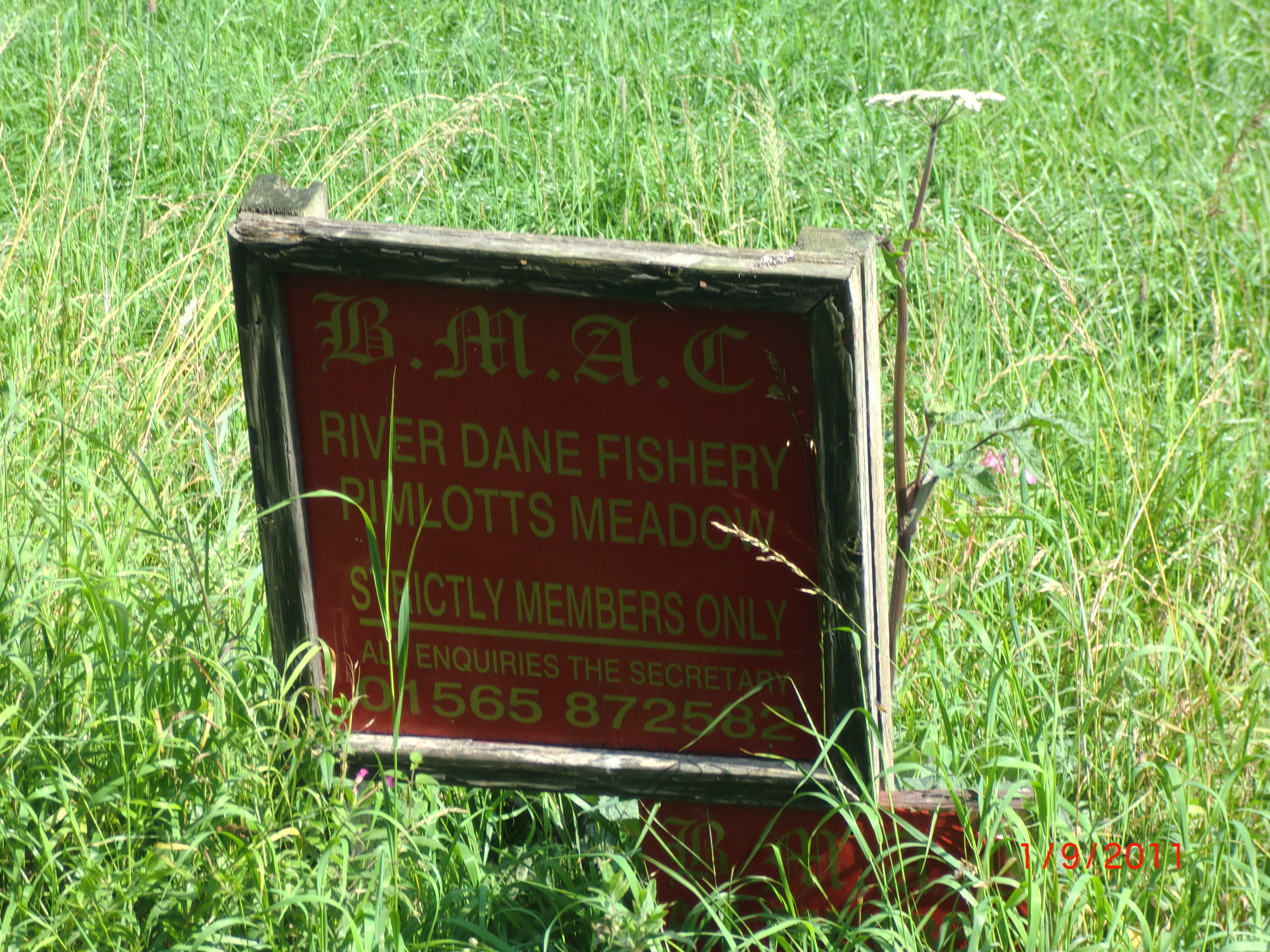
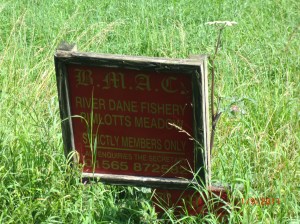
Our meeting place close by the Bolin, near Manchester Airport, probably was not in Cheshire, so it was on to Congleton, most definitely in it, and to another BMAC beat.

A couple of hours on the Dane there delivered two salmonids,
021

but genus thymalus thymalus, which could not count! So where next?

I took another look at the Clubs’ listing I had identified which included Eaton Fly Fishers, Middlewich Anglers, Dunham Massey AC, and the renowned Prince Albert AC, and all responded with helpful advice, but it was the Lymm AC which seemed to offer the best chance of what I sought, and they were taking new members! I joined!!

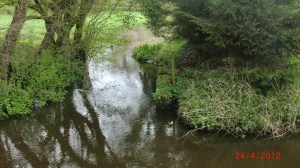
Recce-ing waters is never easy/convenient from a home 200 miles away, and my first visit to my new Club’s waters followed the rains which punctuated the early weeks and months of season 2012,
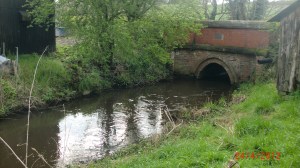
003

004006

and not a cast was made on that visit, nor was another possible in that year.

This year (2013), the early season was cold, very cold and fishing was pointless when Nature still slept. Then, just a couple of weeks ago, the Jet Stream, finally moved North, of the British Isles, from its seemingly permanent residence over Central France. We have now what we have yearned for, for seven years…a Summer!

I observe that the trout streams of the south have more ranunculus than I remember. The Wylye is full of it, the Ebble is trickier because of it, and Paul (Jennings) tells me that in his stretch of the Chess it is strangling the fishing! The weed is keeping water levels high, aquifers being totally full, and even early weed cuts are having marginal effect. This is a challenging year.

In the Midlands (Cheshire, at least) streams, where weed is scarce, levels now are low. Today (July 15), I ventured to the Gowy near Chester, and the Dane in Congleton, but did not cast a line. In fairness, parking Tonka in Congleton at the prescribed place, travellers had taken up residence, which made my staying there less likely, for some reason. And so it was to –

July 2013 – the Peover Eye

This Lymm AC stretch at Bate Mill is close to the magnificent Jodrell Bank,

CIMG1616and its massive telescopes. I visited it last year, and saw a fish rise in a side stream, but there is also a mill pool there and I convinced myself that this not only held trout but there was one with my name on it. Whilst the spate made fishing then, a little pointless, I made a few casts with weighted nymphs in idle hope. But this still felt like the place where success was most likely, a thought endorsed by chum, fellow Brewer, and salmon mad, Chris Lees-Jones of J W Lees, and also because of the optimistic description of water by Lymm AC – “(the river) is located in an area of such beauty it needs to be seen to be believed. The river abounds with trout, both resident browns and escapee rainbows….”

The Peover Eye is a lovely and fascinating name. It seems to be the combination of the word Peover, which comes from the Welsh word for ‘dart(ing)’ or ‘sparkling’; and the Anglo Saxon, Eye, meaning small stream. It rises near Siddington and flows for some four miles and joins the Smokers Brook above Lostock Gralam, to form the Wincham Brook.

This day, I arrived post Gowy and Dane at one-ish. The sun was high. It was unbelievably hot, but I could not resist a couple of casts. Then off to my hotel to rest up after too many hours driving, from London.

Returning to the river at seven in the early evening, I spoke to Sue en route, and suggested that my mission might be coming to an end. Merseyside seems impossible, Bedford, much the same, and Cheshire…well just how many more times should I bother tripping up the M6?

I had a look, but did nothing. The waders stayed bagged. The boots delightfully dry. I had already checked out some fishing in a real trout county (Derbyshire) for tomorrow, in scant consolation for the disaster which is Cheshire.

Oh well! Then I saw what looked like an angler upstream of the disintegrating mill, and walked up to chat to him. “I am looking for trout”, I opened. “This is club water” he responded. “I am a member” I replied. We were connected!!

The water above the old mill is stuffed with trout, and a members’ return chit of just a few days prior, revealed five rainbows in a couple of hours in June. My new friend showed me a picture of a handsome rainbow taken by his friend shortly after their arrival just before mine. And he himself, had had a memorable visit with a net full of trout from this slow moving stretch earlier this year. So there are trout here! That he is a coarse fishing specialist made my interest in catching on the fly more intriguing to him. That his pal had a 2-lber minutes before I arrived, was intriguing to me. The high water and early Spring flows may have flushed some fish below the mill, he suggested. My head said that if these were rainbows, then a 7x tipped was a risk, as was a short rod less likely to cope with a warrior rainbow. But I was enthused, and got kitted up, accordingly.

CIMG1613Down in the water, my first offering was a brown elk hair caddis #14, below which, NZ style was a #20 bead head nymph. The first cast produced a swirl, but to which I had no idea, but Boy, was I motivated? And then two more splashy swirls to what was hatching, and I was in determined mode.

Off came the nymph. Away the feeble tippet. Spotting a solitary May, with a white body and black thorax, in flight, it was on with a bushy caddis….the second cast with this offering delivered me my Cheshire trout, a 2-lb wild brown.
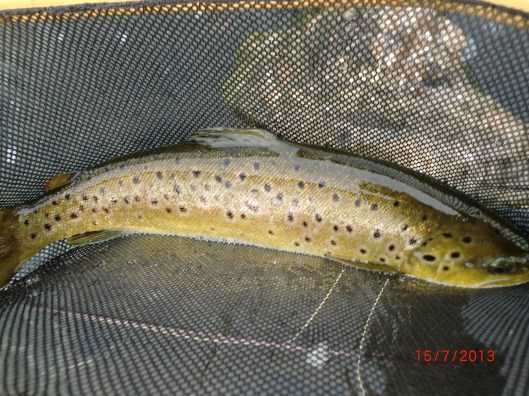
CIMG1612A few casts later, a fish, another brown, took a good hard look, and then yet another was mine!

Paul and Jack, and Phil

I am indebted to Paul, who was fishing and tutoring son, Jack, and to Paul’s pal, Phil, who pulls trout from the Peover Eye, with ease.

My kit worked worked for me when it mattered. Their’s did, too, and in spades!

Cheers, Guys…have a great season, and let me know if your methods out fish mine below the mill. I suspect they will!

 Thank you, Lymm AC…mission accomplished.
STAFFORDSHIRE

Tags

, , , , ,

Mareka’s dinner of Norfolk hake was delicious(lightly steamed over a bed of sliced red peppers and onions) as was David’s generous offering of an aged Cote Rotie, and a good night’s sleep in anticipation of a rare sunny day’s fishing was set. The drive from their home took us through territory which was new to me, through the Staffordshire towns of Stone and Blythe Bridge, and into the Peak District, surely one of Britain’s treasured spaces, and especially on such a beautiful day as on ours.

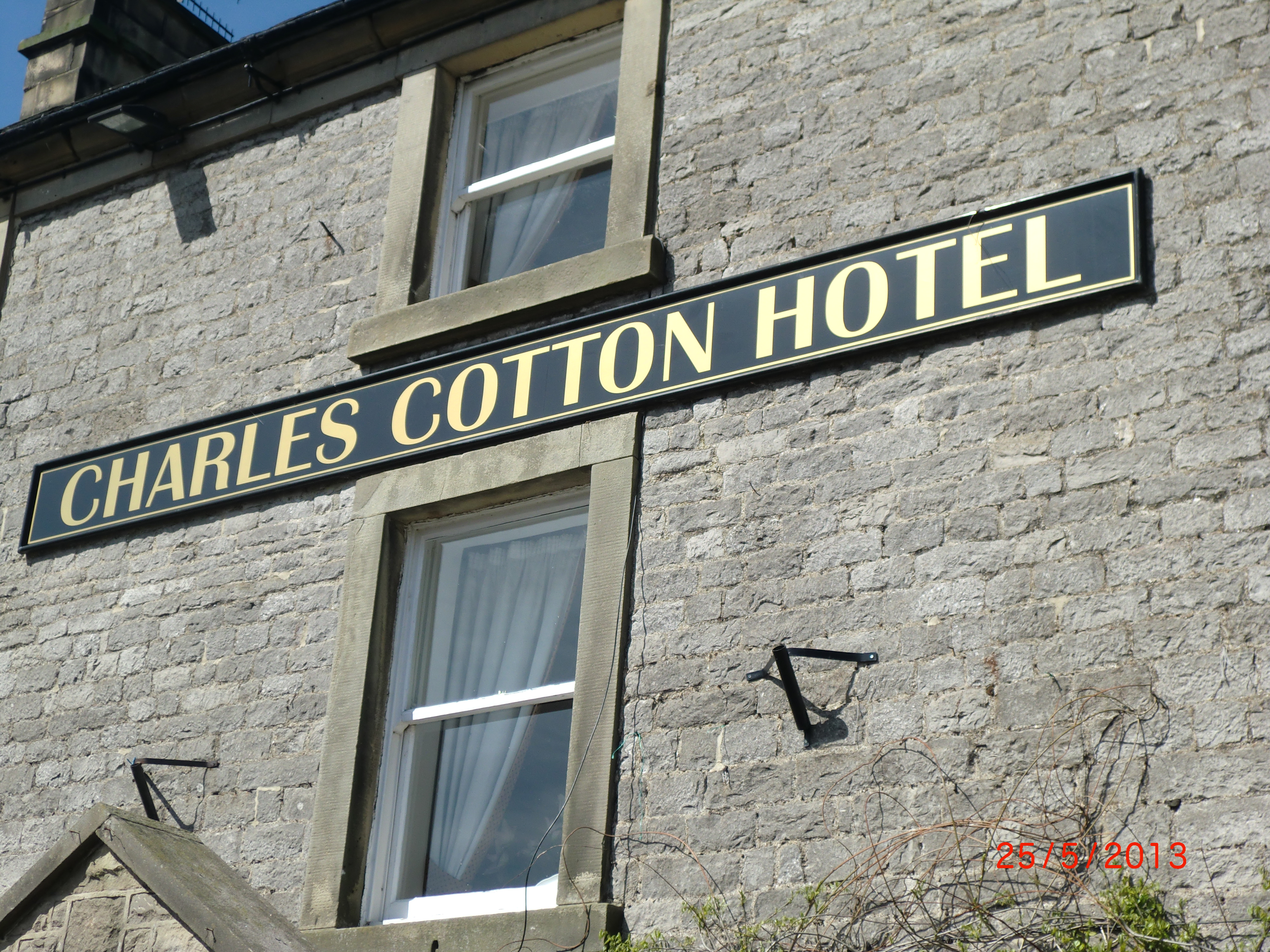
And onwards to the village of Hartington, home to the Charles Cotton Hotel

CIMG1522

which is where we were to meet our host for the day, Andrew Heath.

The Manifold – a WTT Auction Lot, 2013

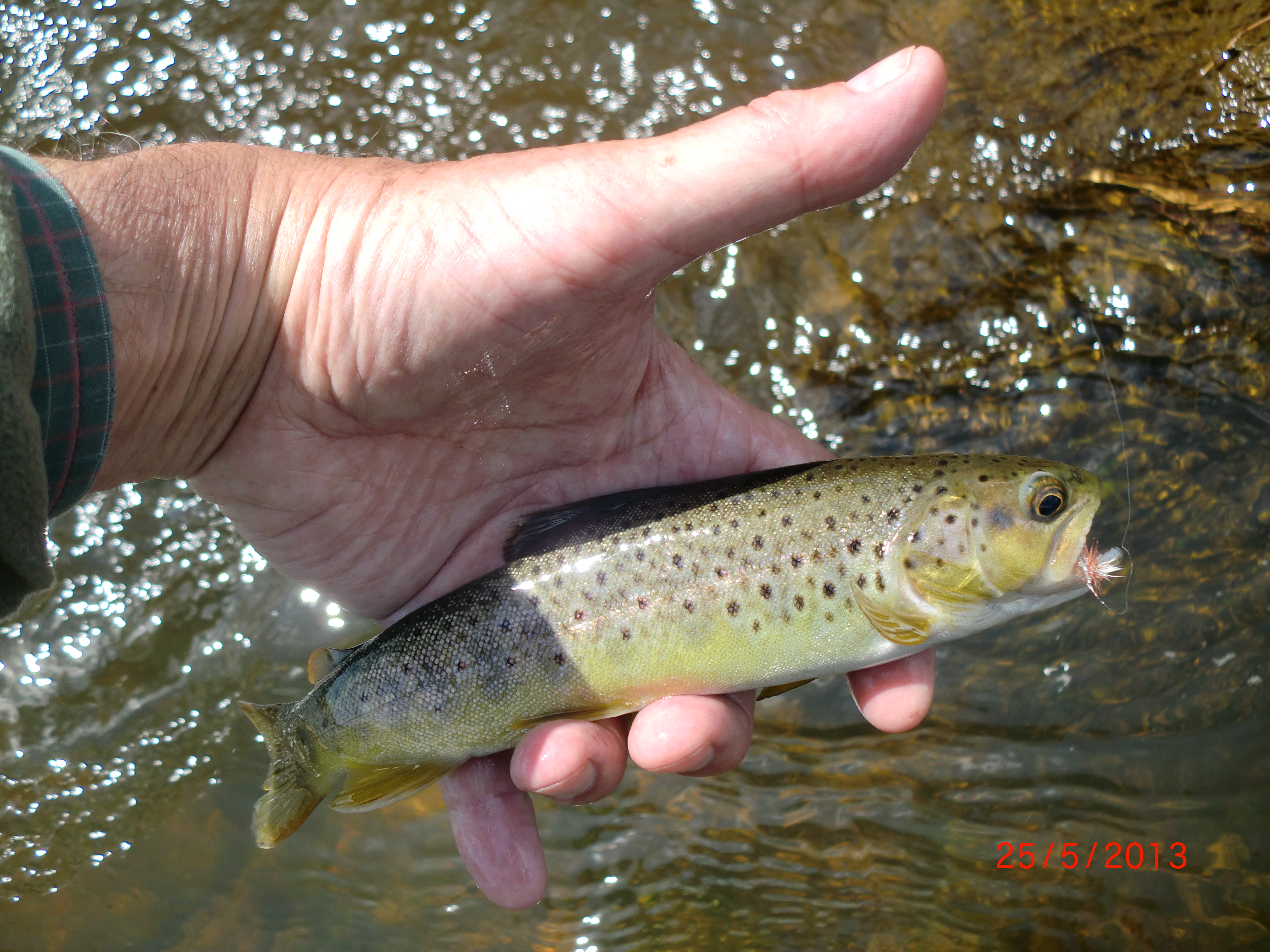
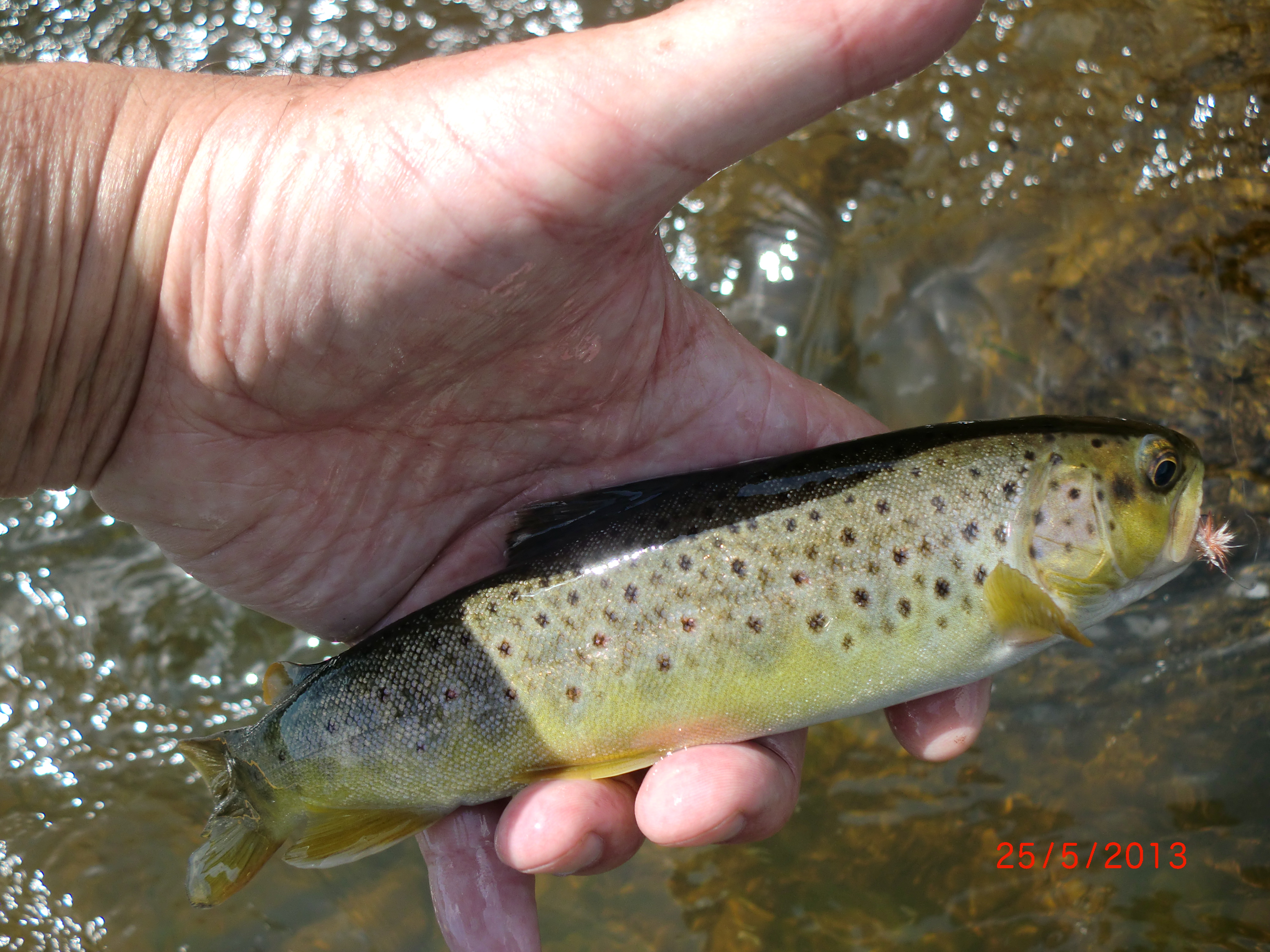
This was a day when I was able to repay David’s invitations to me to fish his syndicate waters, and the Manifold was a river new to us both, and what a glorious little stream it turned out to be,

CIMG1527running clear after recent rains at its 800ft elevation, where weed life is scarce, and protective rocks and boulders rare, in an environment where winter rains and their spates produce waters where food is limited, and those fish which survive grow slowly in cold water.

Even now, weed was absent, fly life was feeble, and as hungry as they may have been, such feeding was deep down, probably on caddis larva, so as much I wanted to ‘go dry’ the chances of a catch were unlikely. But hungry wild trout rarely turn down a tasty morsel, and before lunch two came to an elk hair caddis.

CIMG1526

 CIMG1530

And the two which came to me after our tasty lunch did so, to trailing weighted caddis nymphs.

CIMG1534CIMG1525

DT persevered for another four fish, and all his from difficult sub arboreal lies which would challenge the most gifted caster, were on fluffy dries! A Champion!!

We all know just how late this Spring has been and Andrew would have wished that we had seen his beat behaving and fishing more easily than it did. But on this beautiful day, which brought out striding ski-poled ramblers and dog walkers, and hang gliders aerial surfing the peaks nearby, it was the joy of being there which made the day.

 This beat, which is leased to the Derby County Angling Club is on the Peak Passport scheme, and should be visited.

CIMG1529

NORTHUMBERLAND

Tags

, , , , , , , , , , , ,

My long overdue trip to fish with Geoff (Hodgson) with whom I have fished before down South on the Itchen, and on one of my rare salmon days, as his guest on the Countess water on the north branch of the Tyne, came to pass this month.

After a lean year in which I have caught more fish out of the UK (Argentina, France (twice), Iceland and California) than in it, this trip North was part of a last minute onslaught on our streams to try to redress that which was clearly wrong!

I arrived in Newcastle in the rain. The next morning it was raining, too, as we (Geoff and Peter Muirhead) set off on what Geoff guaranteed was a sure fire certainty…”you will get your Northumberland trout” When discussing my hopes, months before, he asserted that I could probably ‘net’ in all three counties in one day!

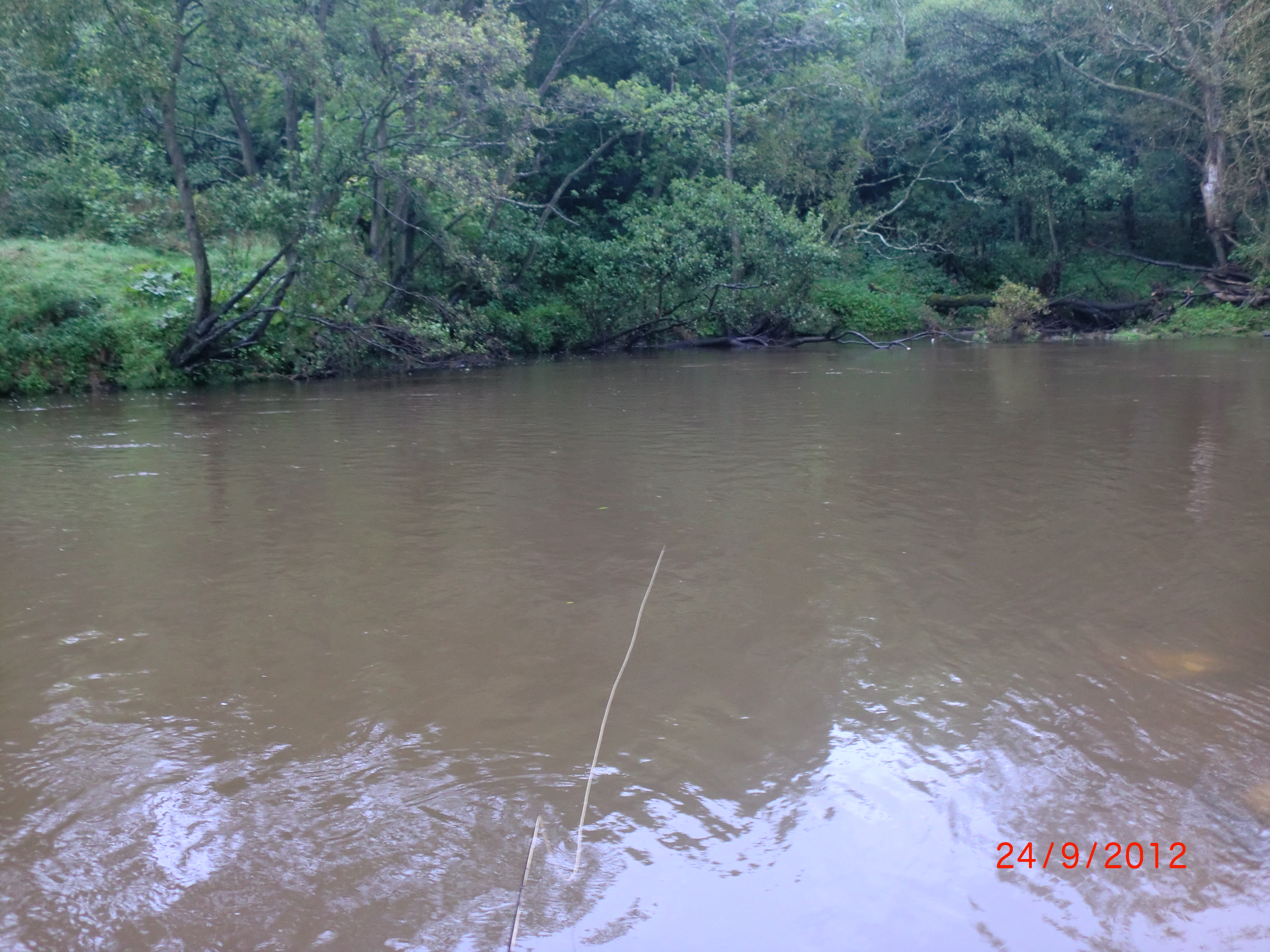
We arrived at the Coquet (pronounced ‘Co-kay’) to find a handsome piece of water near Thistlehaugh, the colour of Bournville’s famous pre-slumber sedative.

There was visibility in the margins and Peter suggested that a short leader and a couple of weighted nymphs might bring me what I (we) sought. And I did have a couple of pulls, but our thoughts revolved around  the ”Oh dear!” , and mine around, “Oh well, I could always come back up, next season”

The consensus was that we should drive farther North, and we did.

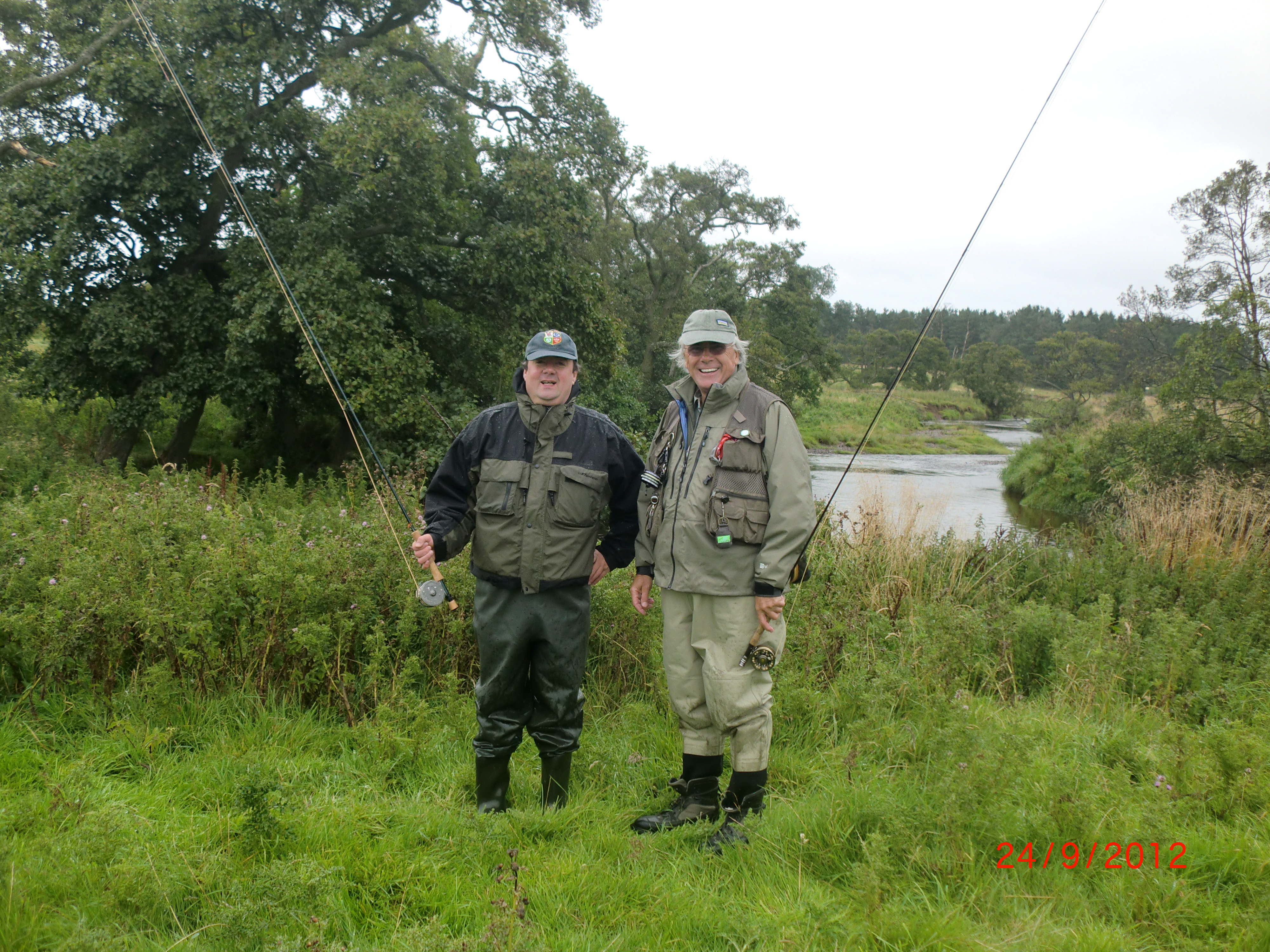
September 2012 – the Till

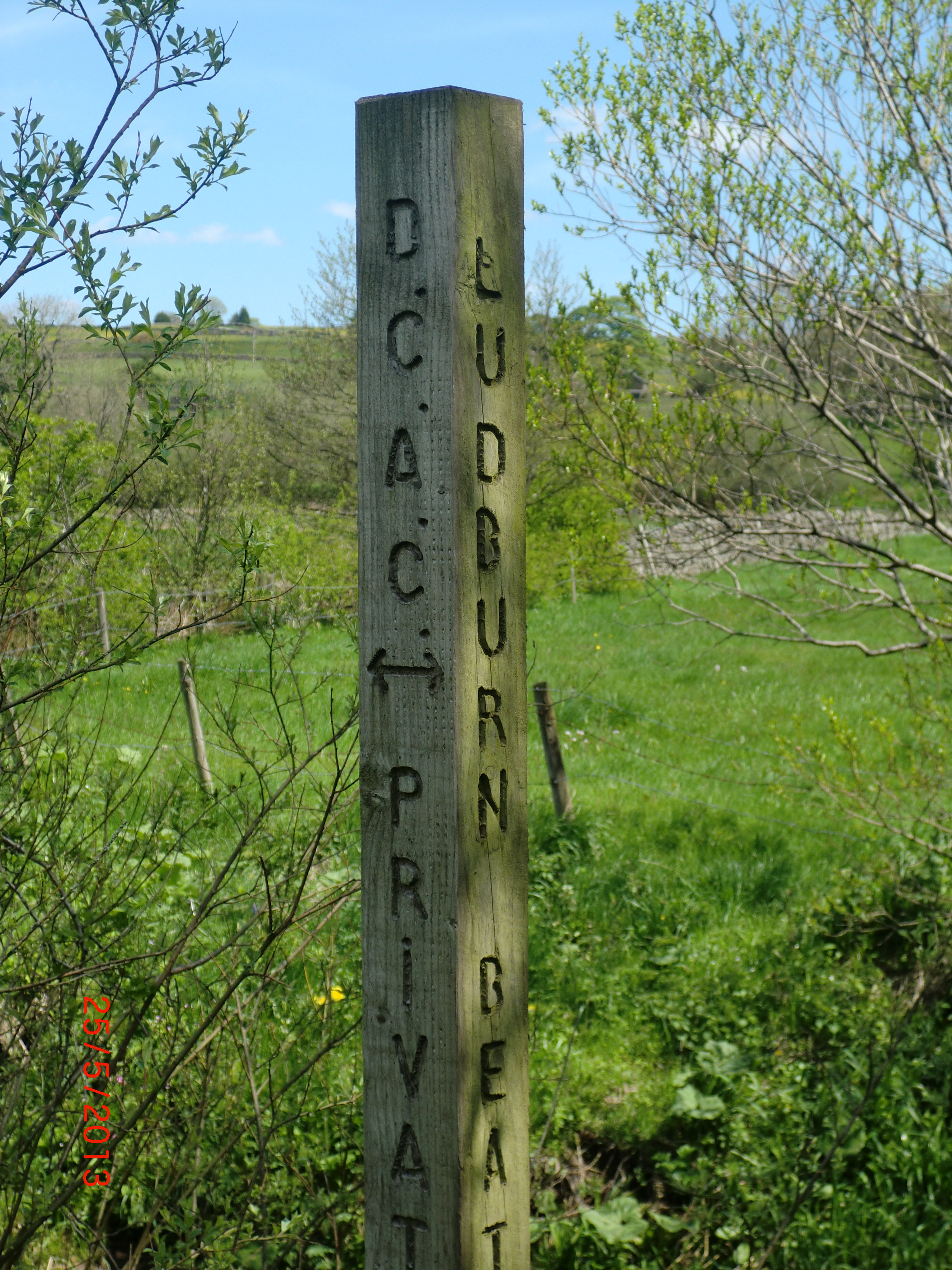
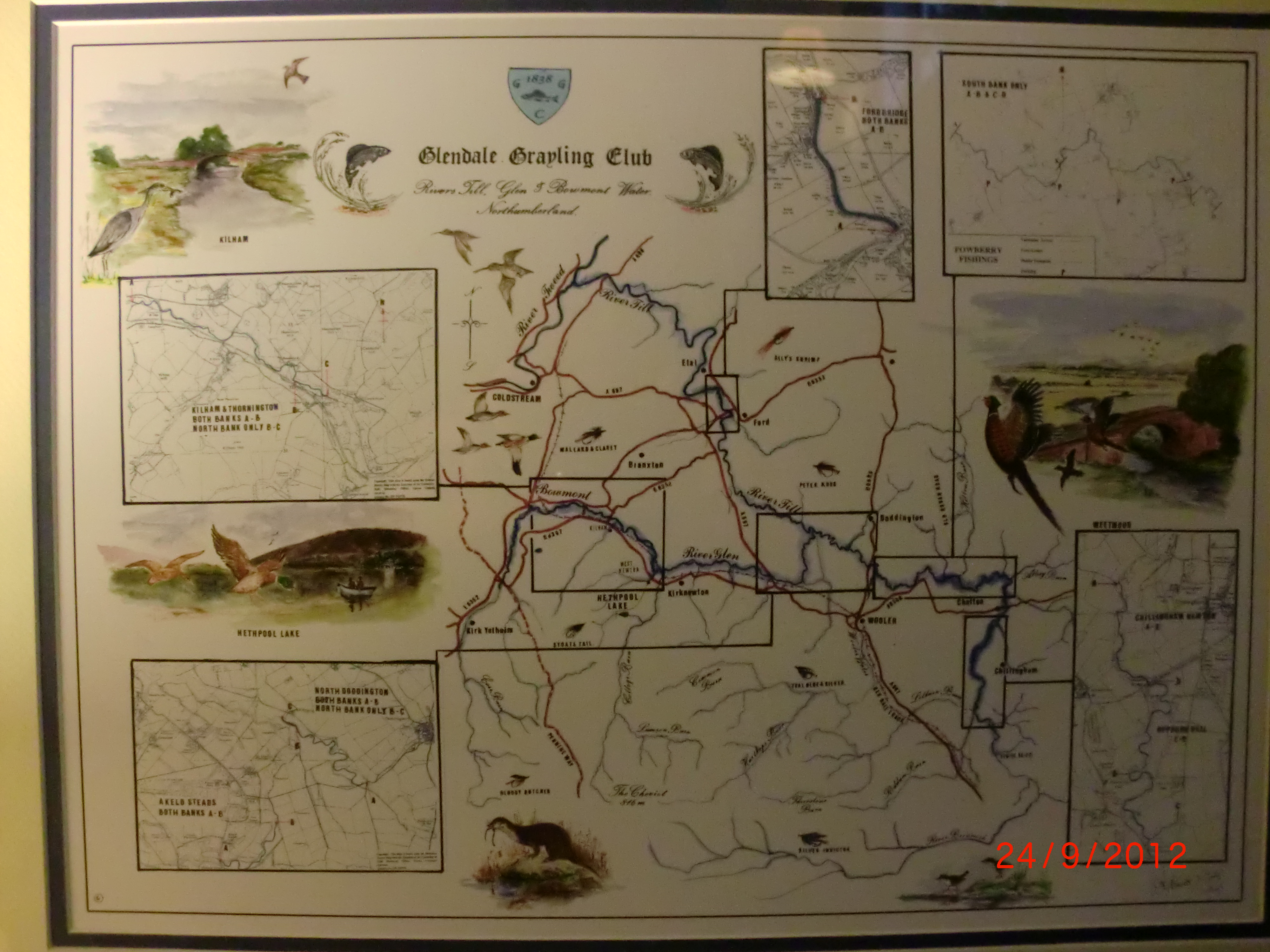
The riparian owner of the Till near Wooler, not so many miles from the Scottish border, is Duncan Davidson, who leases his water to one of the oldest fishing clubs in the land, the Glendale Grayling Club, founded in 1838.

Geoff and Peter are two of its only 38 members….lucky me!

The Till is famous for its run of sea trout, which it is claimed can be caught as easily in daylight as after dusk, and also its salmon. It rises in Comb Fell and is the only tributary of the Tweed which flows wholly in England. In its upper reaches it is called the Breamish, and it joins the Tweed near Berwick. It flows through the most glorious craggy countryside which is softish  on the eye because it is quite verdant, but in its isolation I suspect it can be challenging when winter winds blast, and rains shower horizontally.

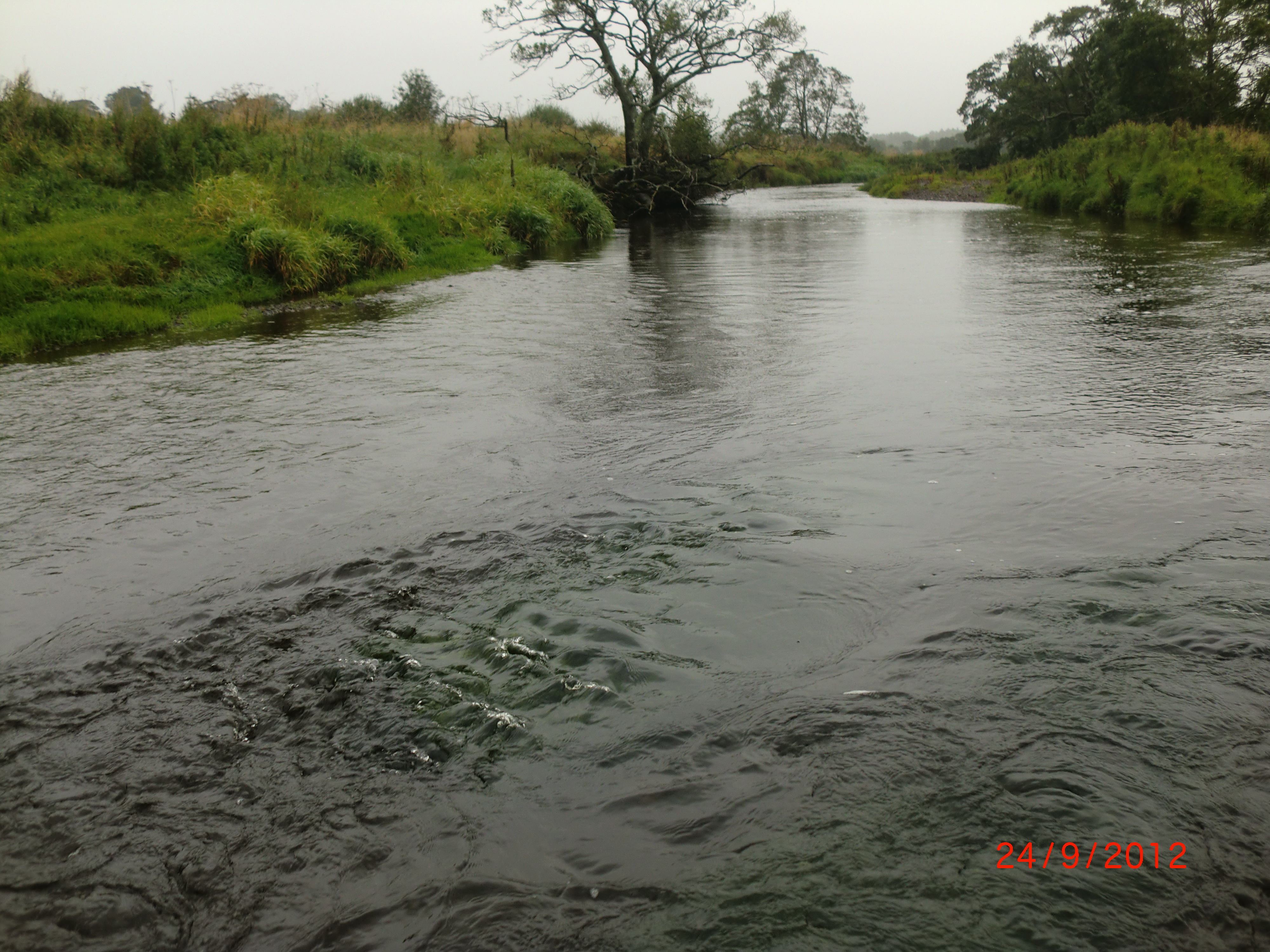
In the rugged countryside of the Glendale beat near Chillingham,

and at over 400 feet above sea level, the run off had still to colour the water, and a sense of optimism from my trusted Guides was motivating!

We walked the bank and Peter pointed out some likely lies,

and gave some local tips, before leaving with Geoff to seek some sea run creatures.

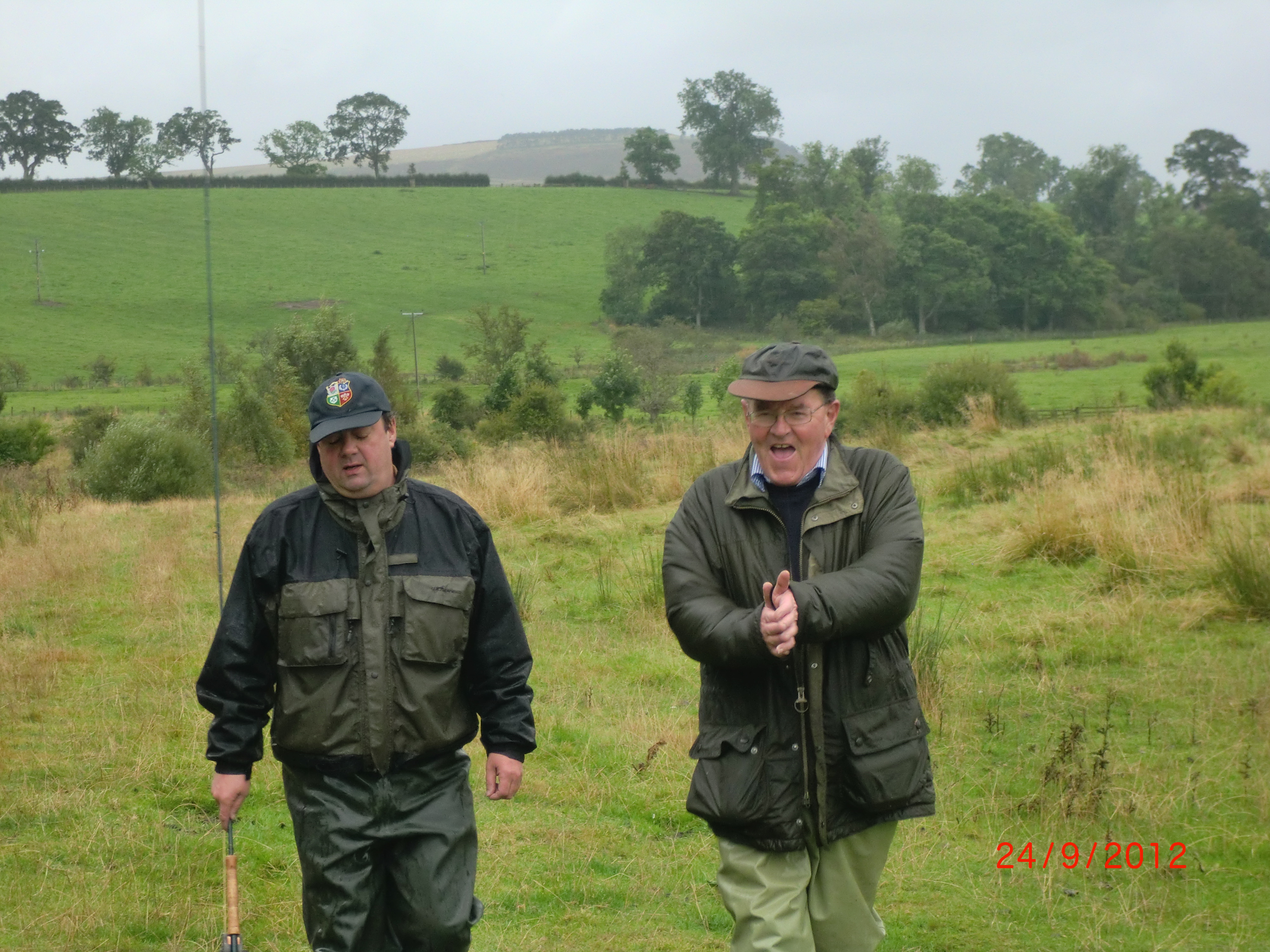
And whilst it was, guess what, still raining, and not a little windy, I noted two fish rising under the branches of a sprawling alder, and it was off with the nymph rig, and on with my end of season favourite, an elk hair caddis. But they were not interested, or more to the point, in the blustery winds my sloppy casting probably put them down!

Peter joined me to check on progress by his Till protégé, and we both saw some movement under another alder


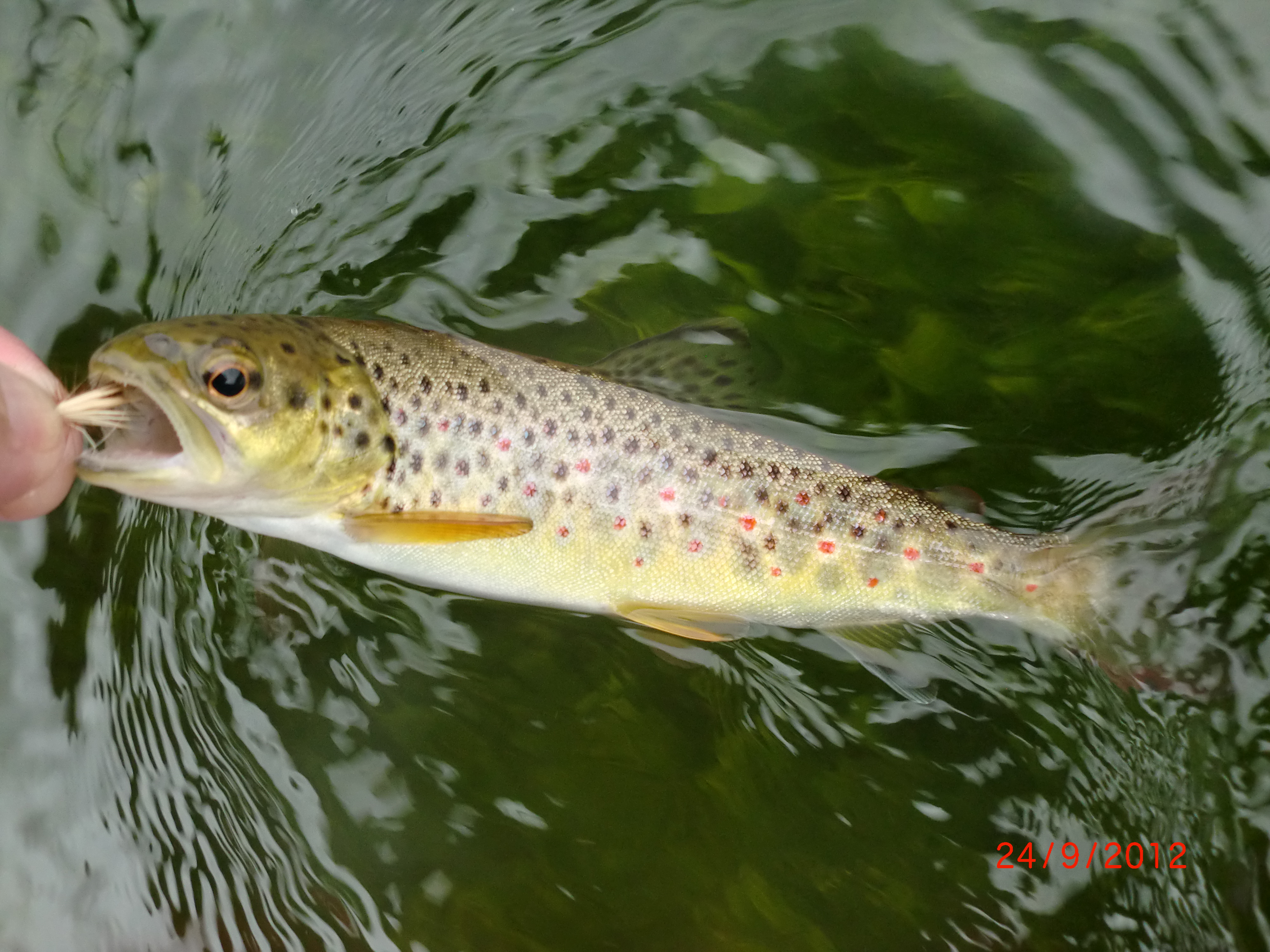
…and after he slipped away, and with my rig now Skues-esque, my Northumberland trout was taken on a black spider fly on the dropper.


As were two more little monsters taken whilst feeding in the margins of a long


glide, but on the dry, on my faithful EHC and in the still falling rains, and only 9 degrees.  Soaked but content, a picnic lunch followed, as we mused on what might have been in better weather. Geoff connected with a salmon, but fleetingly.

He describes his beloved County as the best playground in Britain. And who would argue? First class rugby, Premiership football, world class shooting, more game fishing than you could wish for. Beaches, the Cheviots and the northerly Pennines….cheers, Guys!

ESSEX

Tags

, , , ,

Clive Gliddon, an official of the Billericay & District AC wrote to tell me that their section of the R Pant at Shalford had some trout in it which their, predominantly, coarse fishers would catch from time to time, when indulging in their paste and maggot, worm or bready, means to capture the specimens they seek from this exciting little fishery.

I tried, using the flyfishers’ tec hniques but could not match my Coarse Brethren, and in spite of several visits. I caught dace on the fly, and chub, too, but no ‘spotties’, or even rogue, escapee ‘bows.

OK…an admission…in a fit of intemperance (or maybe inventiveness!), I also made a visit last Winter, armed with a small spinning rod and a few Mepps to try to eke one out of the Mill Pool at Codham, but this produced only a solitary jack pike of 20″, who was quite surprised to meet me!

One final attempt this month produced another dace, and some fun, stalking chub, but I was not disappointed, because a ‘cunning plan’ had already been hatched with Rob Mungavon, and this was put to work, the very next day.

September 2012 – the upper Cam, or Granta

The Cam or Granta  rises near the delightful Essex village of Newport. It flows in a tree lined corridor through gently rolling farmland and its banks are untended and natural with all that entails, until it reaches Audley End, where in sight of the glorious Jacobean House, it is impounded, and then released to flow through more open territory toward Cambridge. It is a short stream, filled with cool water from its aquifer, which is supplemented by spring waters whose numerous entries are evident by those little bank side distortions in their muddy slopes.

The water was low, very low.

Stealth was imperative and the littler fish in the real shallows could be seen skittling away, in water illuminated by the sunshine, and the bigger, too, and  from yards behind, spooked, maybe, via vibrations from my heavy wading boots on the hard banks?

We walked out of the water on the sloping banks where possible (nb. stinging nettles, still do, in September!) and so as to avoid sending warning signals through rippling the flat pools. The alder roots

whilst seemingly offering footholds, were in reality floating, and a missed step meant an unexpected drop into deeper water where fish were hiding from potential predators (you don’t live too long if a small  wild brown in a narrow, shallow stream, without some serious self preservation skills!)…so that pool was not worth casting into! And casting in this tightest of environments was an incredible test, and more so when the wind picked up. Moral(s) of this story…enjoy where you are; flies are cheap; leaders, more so; patience is truly, a virtue!! Also, I need to revisit my theory about rod length. Rob used a little five foot bamboo wand with real skill.

And he really knows his fishing, and his wild trout, and suggested that even the imperfect cast should be left to drift naturally, even if really slowly in the tedious flow of low water. For in September these fish know that the larder is emptying and it’s better to eat now, because Spring and new shrimp and juicy pupa are several months away! So they can be tempted,

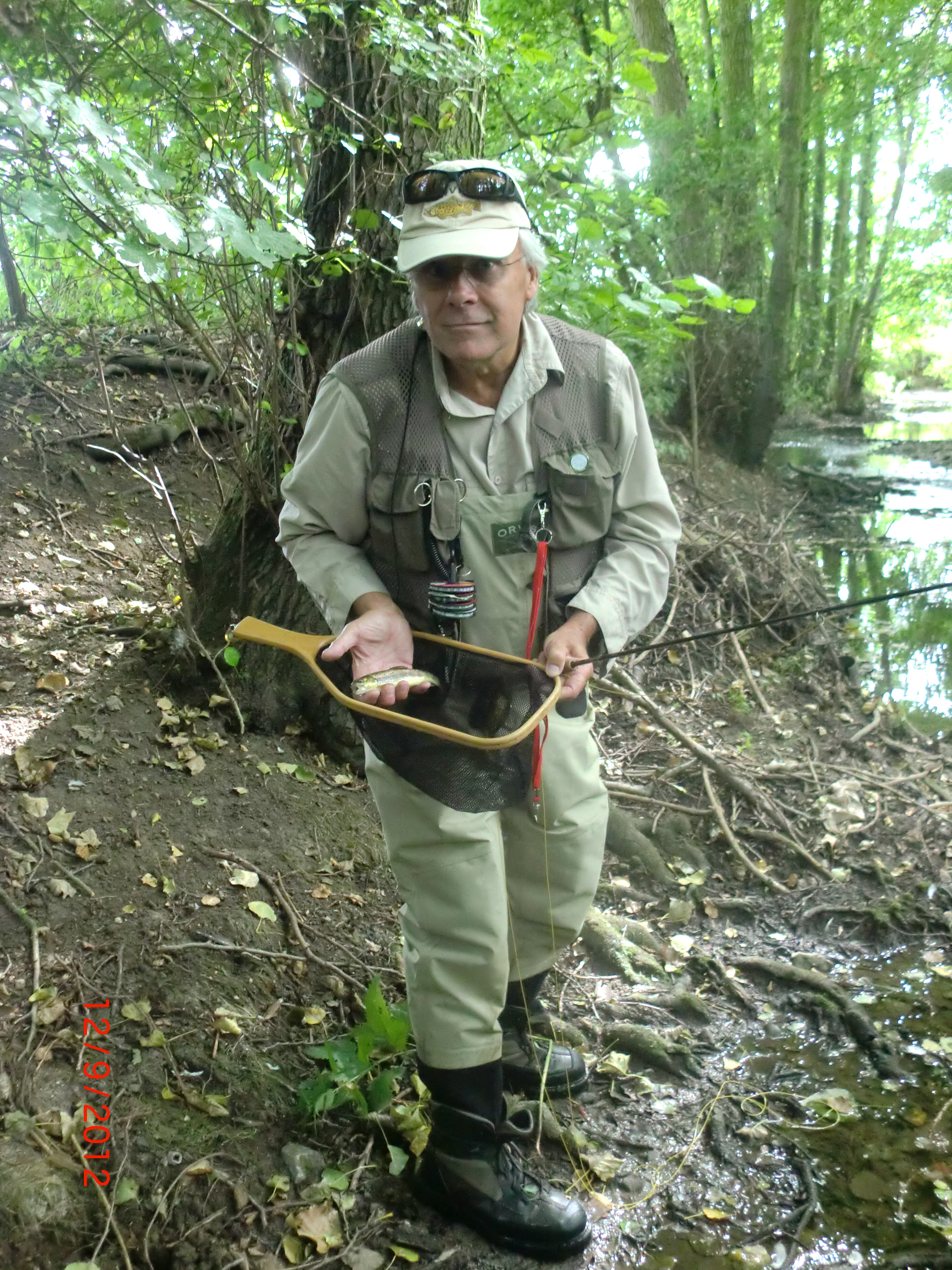
and without too specific an offering, and mine, an olive CdC, proved tempting to two fish….one tiny,

the other a beautiful monster of at least nine inches…all nine inches of beautiful wild Essex trout!  Heaven !!

42 Counties ‘netted’ and just four to go.

Surrey

Tags

, , , ,

Surrey does not have many rivers, and has few trout streams!

You may know of the Mole (a notable coarse fishing river), the Wey (ditto, but stocked with browns in parts, and including by Peper Harrow FFC), but you may not have heard of the Cranleigh Water, nor also –

September 2012 – the Tillingbourne

This glorious little tributary of the Wey, rises near Coldharbour and flows gently through copse after wood after copse. It picks up water from another, tinier stream which rises in the delightfully named, Friday Street, and passes through idyllic villages with evocative names like Abinger Hammer,and Gomshall. Here it irrigates meadows of water cress, before gliding by the cricket ground where families picnic, and children paddle in its alluring shallows alongside the flocks of resident duck and migratory geese. Then onto Shere, where it is hidden, protected behind the fences of impressive country seats of its wealthy residents, before revealing itself once more as it meanders into the manicured delight, which is the village of Albury. (home for Peter Cockwill’s bountiful fishing shop!)

Albury is the Surrey estate of the Duke of Northumberland. His estate team ‘manages’ the Tillingbourne, and via diversions or by damming they have created three trout lakes for still water preferrers which are stocked with rainbows. Earlier stocking of parts of the river have produced a head of resident browns, and these and some stocked rainbows are in the river at Albury.

I fished the beat running from Vale End lake,

and here the river is very narrow, and rarely more than ten feet wide, and less when Summer grasses impede.

Tree lined, but with banks mowed in places to aid access, the many alders demand complete concentration when casting. The stream is  shallow and flows over sand, and weed growth is sparse. The bends produce fish holding pockets, as do the holes below tactically positioned rocks and logs.

And in one of these I encountered my first fish, which sipped in my weighted PTN. When realising he was hooked he took off, and with only one escape route open, he rushed headlong past me downstream, and my light tackle could not hold him, and my leader snapped at the tippet knot. I forgot just how powerful and aggressive rainbows are when compared with their spotted friends, and my 4 weight outfit was inadequate. Another took a PTN from a hole below an alder, but he was lost, too.

The fishing offers the day ticket purchaser the opportunity to return if the number of fish one applies to take, are not. It is a very pretty fishery, and only 30 minutes from my home, so I will return!

ISLE OF WIGHT

Tags

, , , , , , , , , ,

Why are anglers so daft?

Last night the weather forecast said that rains would move from the South West and arrive and soak the South East by mid afternoon!

On the A3 at 7am, the ‘Today’ programme said the same, as I headed to Portsmouth.

Coming out of the Hindhead tunnel and with the South Downs in sight, or at least almost, as the cloud base was so low, I knew rain was already falling, and I wondered whether to turn around and head back to London, but I reasoned, I would catch up with the commuter traffic and this would make that option rather tedious, and besides, I was only twenty miles from a Wight Link ferry, and having made the effort why not continue?  Even if by now it was tipping down!

But clearing the Downs and with Langstone Harbour, now in view it was dry….so that was a good decision!

£52 later and I was on board the 8am ferry to Ryde, and it started raining, and rather seriously…yet again the forecasters were wrong, as the rains arrived early.

It was to the Medina at Newport I drove, to check out what the EA’s Dom Longley had suggested as an opportunity. Walking wader jacketted, my top half was protected from the rains, but not my light weight walking trousers, but they dry quickly, and whilst noting this tiny stream might deliver what I sought, I was already too wet to bother fishing, so set off in a south westerly direction, and toward Shalfleet, in hope that Dom’s primary thought might deliver!

July 2012 – the Caul Bourne (aka Newton River)

The Caul Bourne is a tiny ‘river’ but considered to be one of the Isle’s main waterways, and it flows for just 8 kms from Calbourne to its estuary at Newtown. It meanders, wood bordered, through farmland, and I sought out fishable bits, driving along single track roads close to Newbridge, until a road sign highlighted a weak bridge, and I encountered such bridge close to a mill, and stopped to peer into a shallow, pebble bottomed stream. Hhmm! Meandering streams create little outer bend pools, which  might just…!

Rather wet yet again, I sloshed along a stony drive to enquire of the homeowner whether there were trout in his stream, and my arrival having been heralded by a duo of lovely Labradors,  I was duly met by James, who whilst both amused and curious, generously allowed me on to his parents’ land to have a go, and bid me ‘good luck’!

The Caul Bourne is three feet wide, and whilst downstream nymphing in tight surroundings is poor technique, I sensed few other options, but there was just a tinge of colour n the water to afford me some camouflage.My first catapulted cast (courtesy of Alex Cortet’ tuition) snagged,

but …keep going! This was warfare…sneaking double-upped and under dripping weighted branches, flicking here, flicking there….

I thought I saw the splash of a moving fish, but it might have been a bigger rain drop. Either way, it motivated!

And then, a deeper pool, perhaps three feet or so…but no takes.

And then another bend,  and another pool, but still nothing.

And then another, and what was that?

…a pull, another pull, it’s a fish, but what is it? James had said that any fish were scarce in his beat, so when this one was close to the surface and I saw a spotted yellow flank, I was ecstatic. The outer edge of the pool was lined by filamentous roots, and I knew that taking him would require luck, and so carefully, and slowly I edged him closer, and after a few lunges, brought an twelve inch fish to hand. And I was lucky.  I had a bead headed #18 PTN on the point, and he had taken the #18 yellow caddis pupa on the dropper, so how the weighted nymph had not snared, I know not.

Perhaps this was my reward for the daftness with which I had set out at 630am this morning  !  I did not need another fish, and after only thirty minutes, or so, I returned to Tonka, extremely happy. I was wet through and did not notice, but stopped by to thank, young James, and share this picture.

I thought that the Isle of Wight was always going to be difficult, but thanks to guidance from Dom Longley, my lovely fish means that I am 41 down, and now have, just five counties to go.

Merseyside

Tags

, , , , , , ,

The County of Merseyside has no streams containing trout.

This is the view of no lesser an authority than Dr Malcolm Greenhalgh, and is based on research he conducted in preparation of a scientific paper, as noted in his response to my enquiry of him, which read –

“Dear Tony

First, Merseyside is not a real county but an administrative county! Parts of the County Palatines of Lancashire and Cheshire! But here goes:

There is an angling club, Wirral I think, that has some fishing in that area. There are no river trout in southwest Lancashire = North Merseyside; and Wirral (South Merseyside) may well be the same. In 2004 I produced an account ‘The freshwater fishes of Lancashire, Merseyside and Cheshire’ for the Lancashire & Cheshire Fauna Society and sought help from many sources, with 0 for Merseyside

The problem is that that is known as Merseyside is low, with lots of urban connurbation. Rural areas in the northern bit is mostly low lying acid peat farmland (= mossland in S Lancashire) and with very few streams. The largest, the Alt, is clean in places, but not trout water.

On Wirral there are even fewer streams, none with trout.

Note, however, that sea trout are now running the Mersey, though they are not catchable in the river here or the Ship Canal!

Sorry!

Malcolm G”

Malcolm Greenhalgh is both a naturalist and a fly fisherman. After reading biological sciences and researching estuary ecology for his PhD, he lectured for sixteen years before becoming a freelance writer on his fortieth birthday, and anglers will be aware of his prowess, and expertise from his many interesting and challenging articles in the angling press.

His view is supported by Tim Jacklin and Paul Gaskell of the WTT, and by Kevin Nash and Gareth Pedley of the EA…., as well as the officials of the many Angling Clubs in Merseyside with whom I have exchanged correspondence.

So…maybe my ‘Mission’ will not succeed, but this sad news is no reason to stop searching.

I could make angling history if…