WEST YORKSHIRE

Tags

, , , , , , , , , , ,

A founder member of the Wild Trout Society, I remain a devotee in its, now,  more tax efficient charitable status as the Wild Trout Trust, and bid for several lots in this year’s auction.

Securing Lot # 171 in March,  I  welcomed the opportunity to fish with Paul Gaskell,
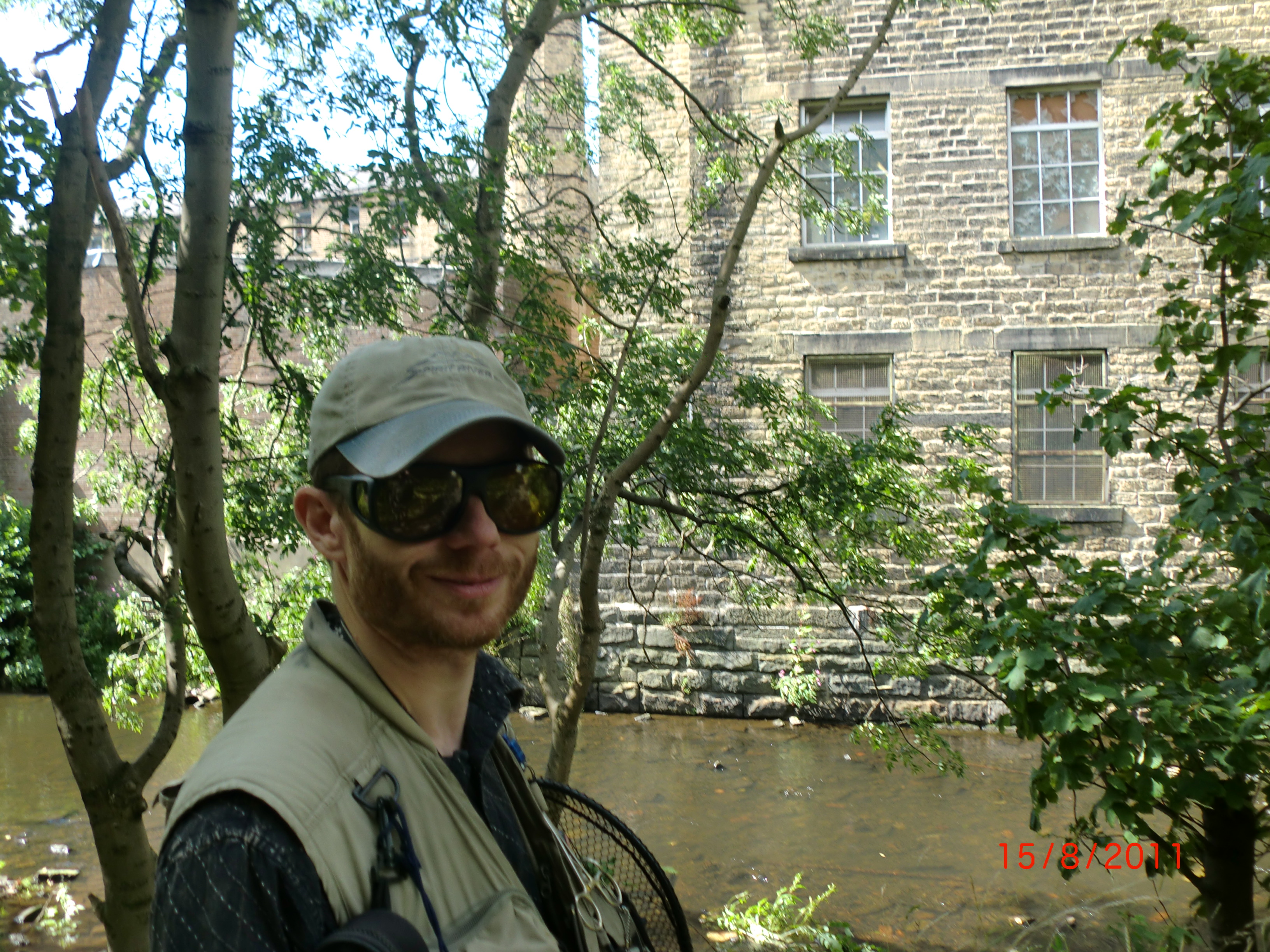
of whom more later, in June, because this might have enabled me to fish and ’net’ South Yorkshire. But before this means was even a possible, I was already there, as My Readers will know! [see  April 2011]

But a note to Paul enquiring whether I could parlay his guiding in the South Riding, to some time in West Yorkshire, produced a positive response for which I was grateful, and entirely, it seemed, within the spirit of how we fly fishers behave.

Paul is one the small full time team of five (now, six) which does the work of which we are all proud, and testified to, by the enormous sum which was generated from members in this year’s Auction, and was of the order of £50000. He, is a passionate outdoorsman and intellect, and the WTT, and therefore, we too as members , are lucky to have him. A PhD, and father to a handsome young son with his PhD-ed partner , he/they (and their energetic greyhound!) live a lovely life together, and I wish them happiness…he is great company, and our chatting during the  ride to Huddersfield was illuminated by his love for his work and his care for the environment. Some conversations of this type can veer toward the negative, the concern voiced in dire terms…but his tone was positive, but realistic, and constructive…he is a ‘builder’, and  I was energised by his enthusiasm.

The WTT Newsletters chronicle the activities it conducts….if you are not a member, please JOIN…and you will find there is fishing to be found which remains ‘free’, and of this, much is in urban areas, where programmes have been devised to seek to improve the water quality by the removal of detritus,
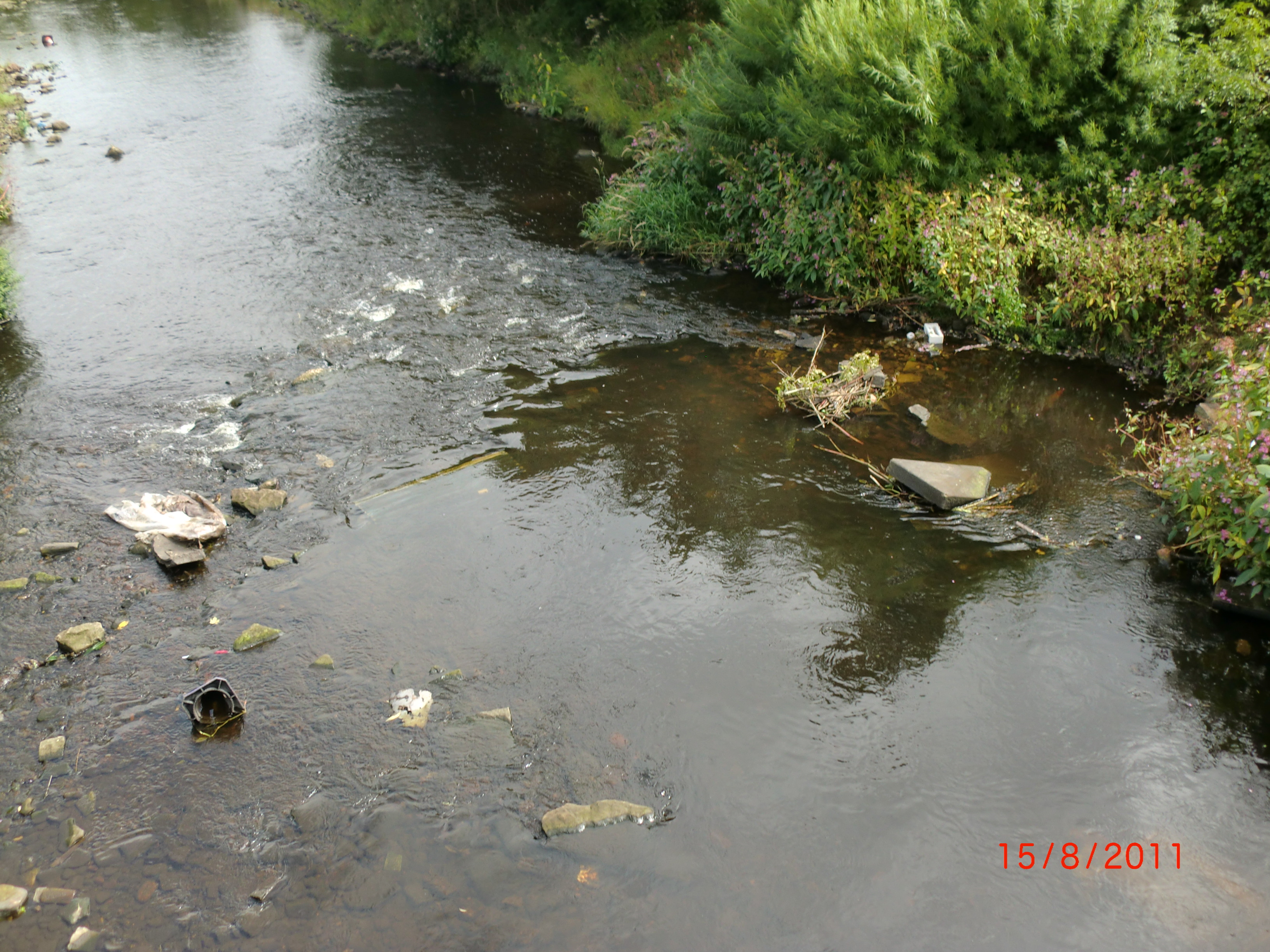
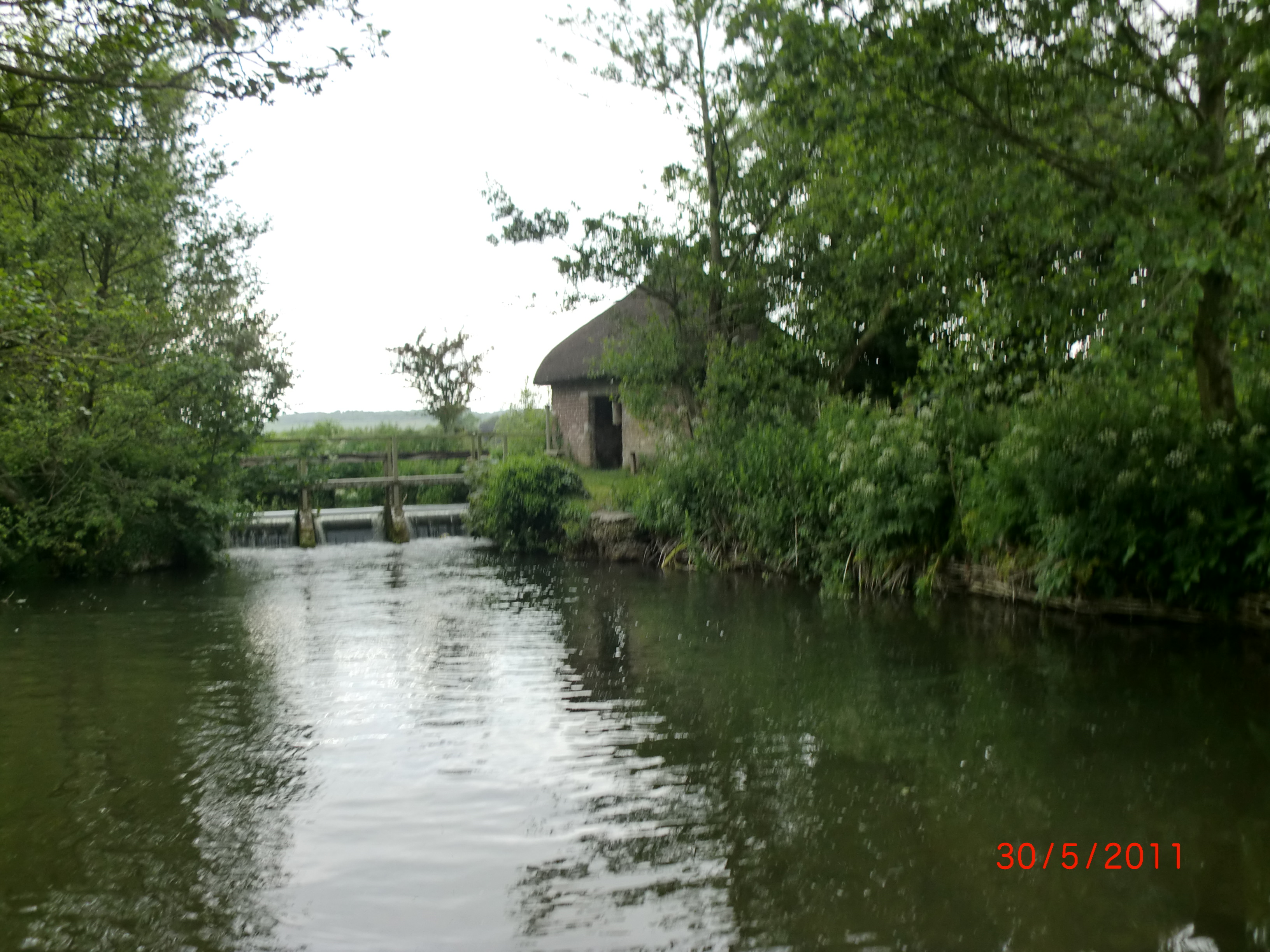
and more, to encourage the next generation, to understanding the value and vitality of our streams. The early work of the Wandle Trust is to some, an example of what can be achieved. And it is working, and the WTT’s ‘Trout in the Town’ shows just how well, but so much more has to be done. But without wishing to sound negative, no one, reading of the joy of finding trout fry in Carshalton earlier this year, cannot have felt pride for the efforts of Theo Pike and Will Tall, and their group. And all of they who are so committed to such programmes, share their learnings and give of their time, as does Paul…but it’s tough. Just how many tyres and supermarket trolleys are there subsurface in trout waters? Far too many is the answer, and we saw them this day on our first river –

August 2011 – the Colne, then the Holme.

My ‘quest’ has taken me to lovely places. I have discovered that wild trout can be found throughout England. Many of my days have been spent in tiny rural streams, and there are more trout in these, because there are more of them, than in the rivers which are written up in the fishing press, which one imagines are because these are more easily accessed. Overlooked, are the streams which flow through busy places.
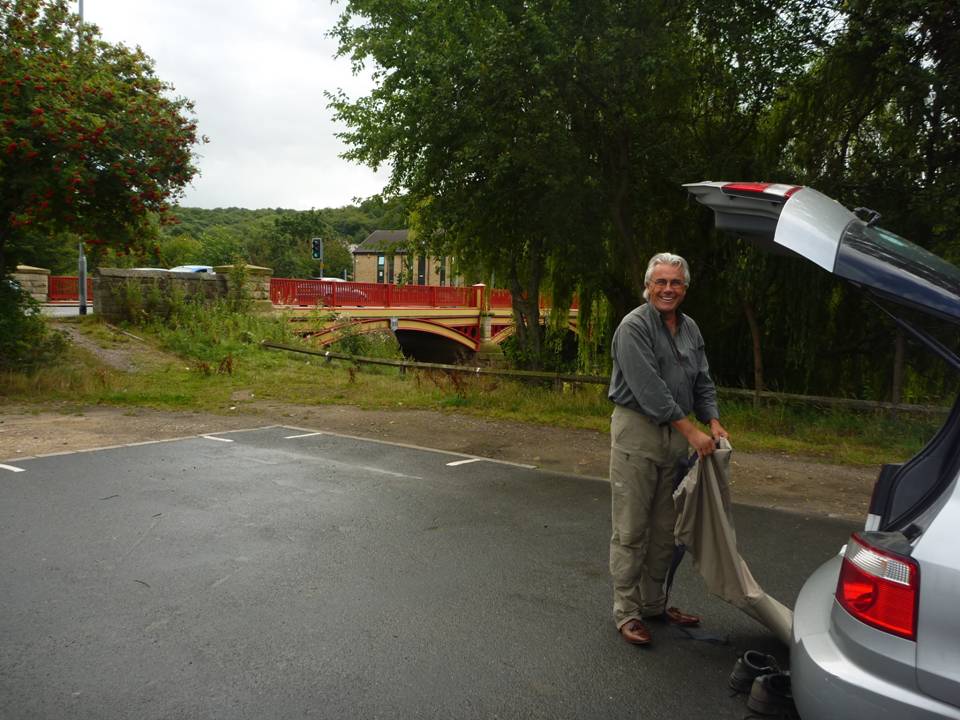
And I understand this. We fishers enjoy solitude, for all the benefits which counterbalance our busy lives. So who wants to fish in sight of a bus garage, anyway?  [see Greater London!] But…and this closes the loop, so to speak, as to why the WTT focuses its education programmes in towns where it can, hopefully, influence more effectively, at least as far as numbers are concerned.

Whatever my first thoughts about the river flowing through Huddersfield were, after observing the obligatory traffic cone or two, I was thrilled to see the spreading rings of rising fish. And in the heat of an August afternoon, and in its brightness, I knew with Paul’s thoughtful guiding, it should be possible to net another county. And if my first fish, caught on his rod, rigged with two weighted nymphs, cast to run along a fast run only a couple of feet deep, produced snags and misses then a grayling, I registered the key point about the grayling need for good water!
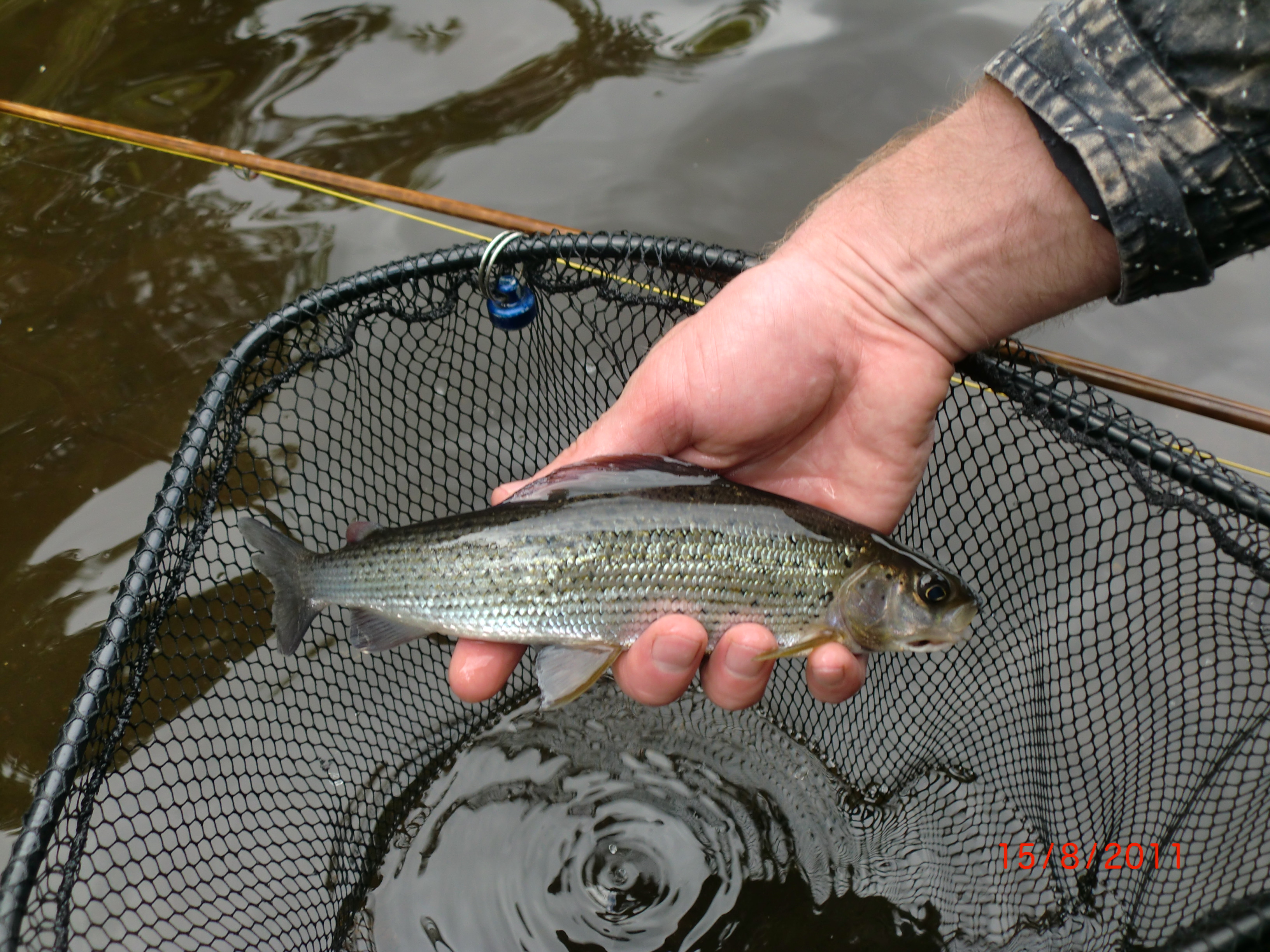


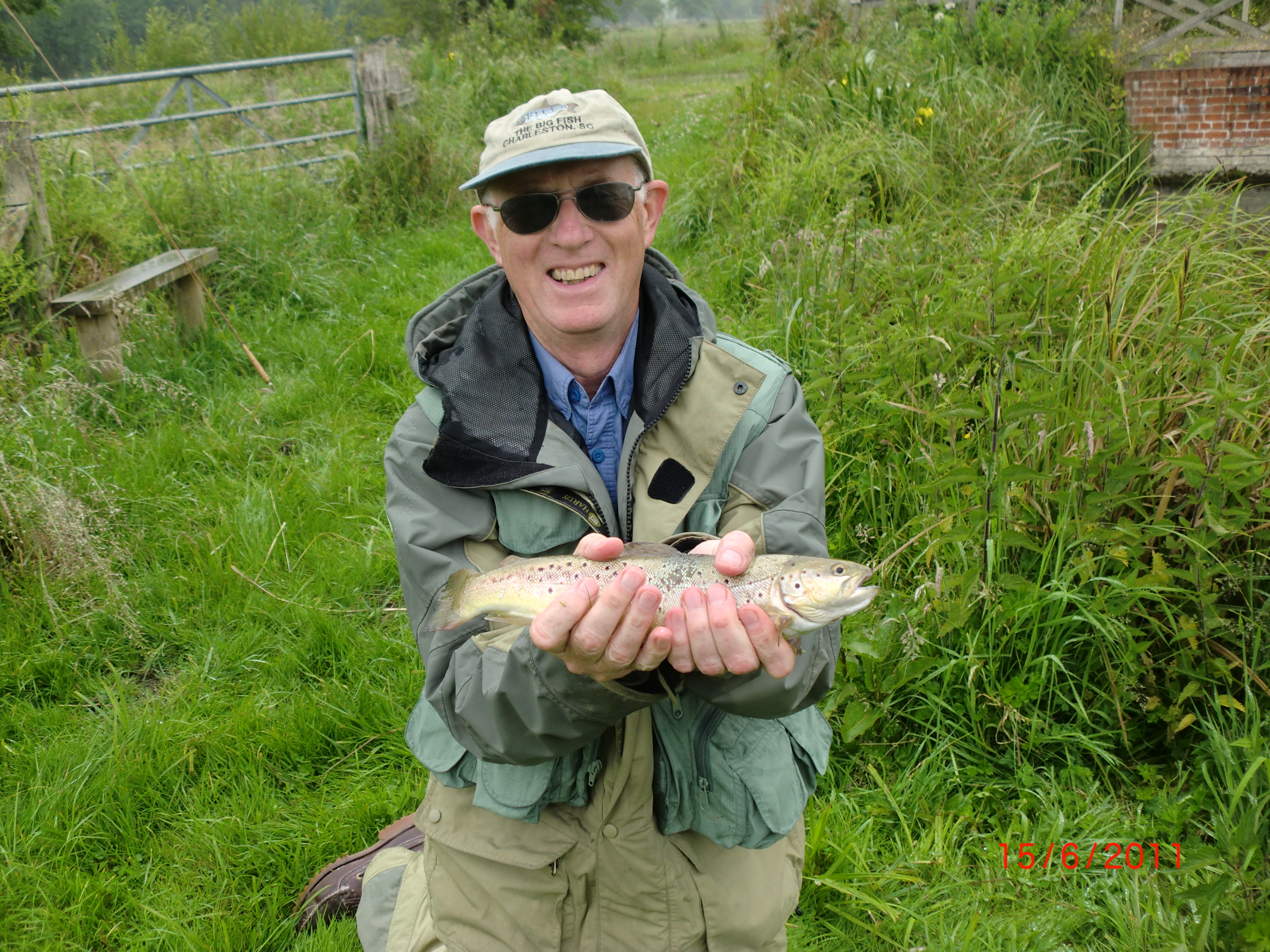
So whilst traffic cones are artistically disgusting in trout streams, presumably they are not contaminants! A wade back to the town bridge, under which we had seen a golloping rise earlier, produced, after just two casts, a lovely trout of ten ounces or so, to a CdC olive.


Forget the ‘county’, or rather my ‘netting’ of another…this trout was a tribute to cleanliness, and to the efforts of all those who believe in restoration of our wonderful waters. And especially to Beth Allcock and her team at Greenstreams who have achieved so much in improving the Huddersfield rivers.

We walked upstream awhile, and cast into a tributary of the Colne, almost alliteratively named, the Holme

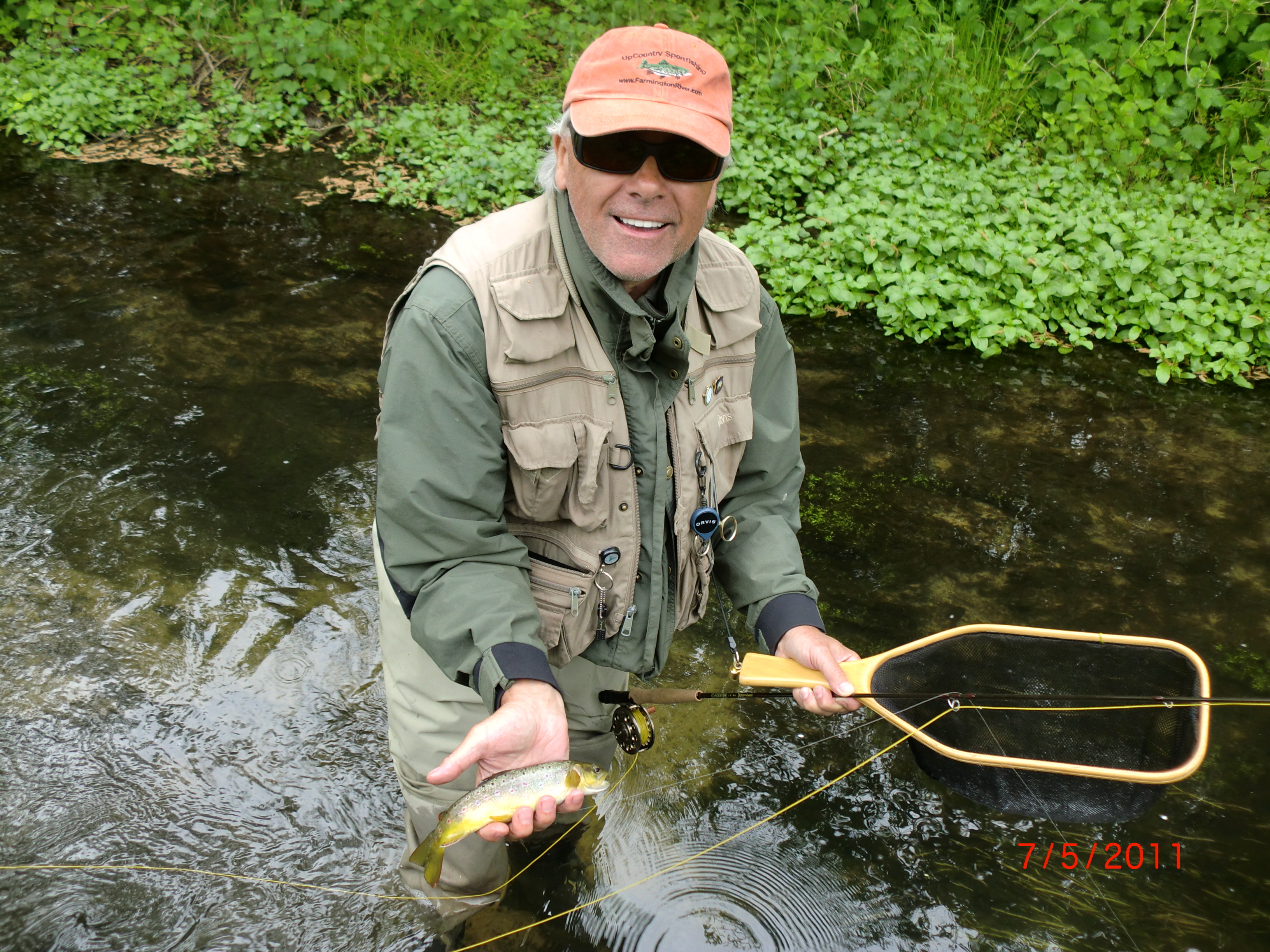
and, together, caught half a dozen or so wild trout, and right up to Bridge Street, and even if the felt sole of my left wading boot did fall off, (and all credit and thanks to Orvis for replacing them very quickly!)my memories of a lovely afternoon with Paul, live on. For me four trout from urban streams…all of them on dry fly. The rather pale worm on a hook at the end of a static line tied to a stick wedged between rocks sometime ago, opposite an old mill…just reminded me…I am not sure, of what. But this is an urban stream!
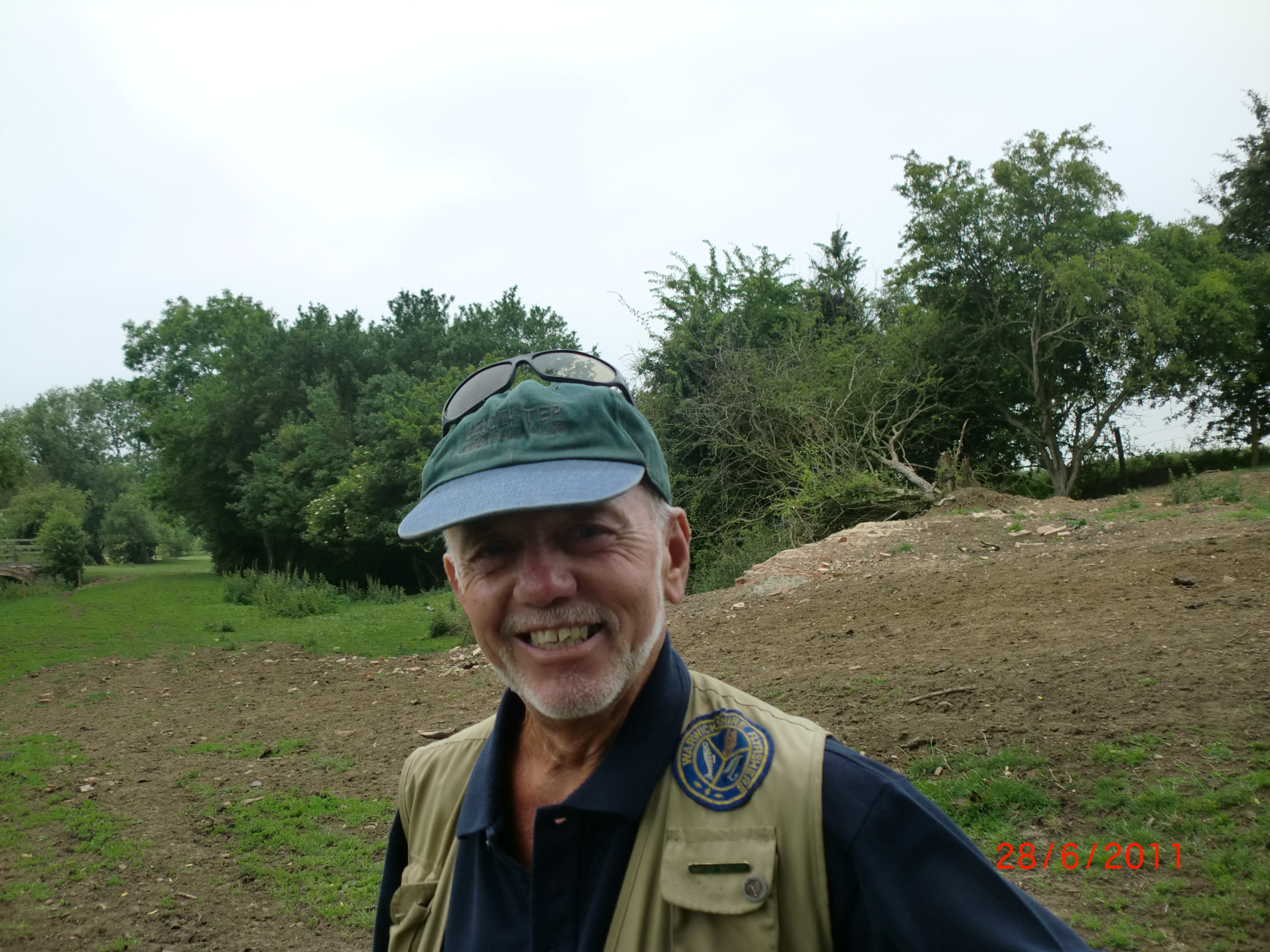
WARWICKSHIRE

Tags

, , , , , , , , ,

This was initiated via a web search in the New Year (plotting season!) and I found Warwickshire Flyfishers who in addition to five still waters, offered one stream. An email to the Secretary, yielded this response from Chris Skuse –

“Having discussed with members of the committee the opinion is that yes you can fish the river if you buy a guest ticket at £15 and are accompanied”

…a ‘no-brainer’! And I was soon to fish   –

June 2011 – the Swift

 A couple of calls to Bailiff, John Burton,

and arrangements were fixed.

Warwickshire….cars, football, industry, Coventry, motorways, Shakespear, the Belfry…a bit of a mixed bag.  John asked me how I liked to fish?  “ For a couple of hours, then maybe a pub snack, and then a couple more” I responded. “There are no pubs where we are going” was his concerning reply! To the countryside is where we went, even if the river ran under and alongside the A5 trunk road, but just for a little while.

Diving off the main road, and through a padlocked gate reminded me of accessing Fortress Trossley, in Kent, where I spent many a happy hour in the late nineties and early noughties with Fraser and Pick. And the river is a typical lowland stream, running over clay, and with a just little colour, and low, as all waters have been this season.

John determined that our best plan was to walk to the bottom of the beat, at least to where this most diligent of membership had done the most improvement work, and whilst we chatted and he imparted much of what has and is being achieved, he had continually to drag an inquisitive me back from the waterside so we could complete our 45 minute walk.

John’s is a narrow river, and even narrower in those places where reeds have still to be cleared,

but elsewhere, a continuum of bends and pools, and enticing lies under overhanging bushes, interspersed by riffles caused by the introduction of many, many deflectors, and the odd etched pool below where rocks have been placed to create mini weirs. There are places where clearance makes casting easier, and many where, and always above and behind where one saw a fish rise, that the nettles are dense, and I will have to make another visit to Farlows, or Orvis, or Grangers, to replenish my stock of Adams and Klinkhamers, as well as my 6x tippet material.

It was passing such a mini weir that I was convinced my first trout would be taken, but it was not, and nor was it below the second. I noted that John has developed a style of fishing which clearly works for him on this river….more of a stalker hunter approach,

crawling and hunching down to approach the bankside where he favoured to run a dry down as close to the overgrowth as possible to tempt trout out and from under those roots and grasses….and did, and missed, frustratingly. But also, did!

Mine was a more conventional approach, seeking fish from familiar lies in the safety of rippled waters alongside feed lanes, and cast with a longer line than John’s Dart like flicks.

We happily leapfrogged each other, and my first came to a parachute Adams where I thought one might be lying in quick water, above the site of an ancient mill.

And then so did a second, along a stretch which John described as unfishable a year ago, but with considerable clearance work is now, and members have been rewarded, for along its one hundred yards or so, more fish have been caught there this year than elsewhere on the water. And it was the only stretch where fish rose constantly, and we both hooked and missed a couple.

I learned that only a few years ago, the club was close to going under when falling membership reduced subscription income to a total, barely higher than rents payable; and that a growing interest in the Midlands for conservation, is credited with rebuilding numbers. Maybe ‘word’ of what is being undertaken by this noble band is getting about…I hope so! Conservation and preservation of what is so special to us, must not be limited to the eforts of the few…the countryside, and all that is stands for and provides, is unique. HRH The Prince of Wales thinks so, too…we must all support his vision.

Back to the fishing!….I watched John teasing chub with a sinking nymph; and he was impressed to see my third come to another trout which was lurking where I knew one might, below a stony outcrop; and then, ‘piece de resistance’ he hailed me to reveal another fish caught on a weighted nymph…a twelve inch pike, which was quite rightly, dispatched!!

Many thanks, John, and thank you to, Warwickshire Flyfishers for indulging me.

Now….John knows and loves his water, and I must share his recent note to me which testifies how effort and result blend so beautifully. I hope you agree  –

“On the Friday after your visit I landed 7 trout and on the Saturday 11. On both    occasions it was at the end of the day. They mostly came from the tightest lies and narrowest channels so it was a real challenge. Until this Monday I had only taken fish from this year’s stocking, but at the top end of our beat I landed a trout of one and a half pounds. I have just ordered 20 tonnes of gravel for enhancing one of the sections, which will, hopefully, encourage some trout breeding in the Autumn. It would be an absolute delight to hear that a member had landed a young trout next year. We have tried the egg boxes and provided a number of gravel beds, but we have yet to see any results. The stockist believes it will be hard because of the large number of chub and perch which love fry. We live in hope.”

NORTHAMPTONSHIRE

Tags

, , , , ,

There is only one trout stream in Northamptonshire.  I am happy to share its history which, Secretary, Mike Palmer suffixes his emails with –

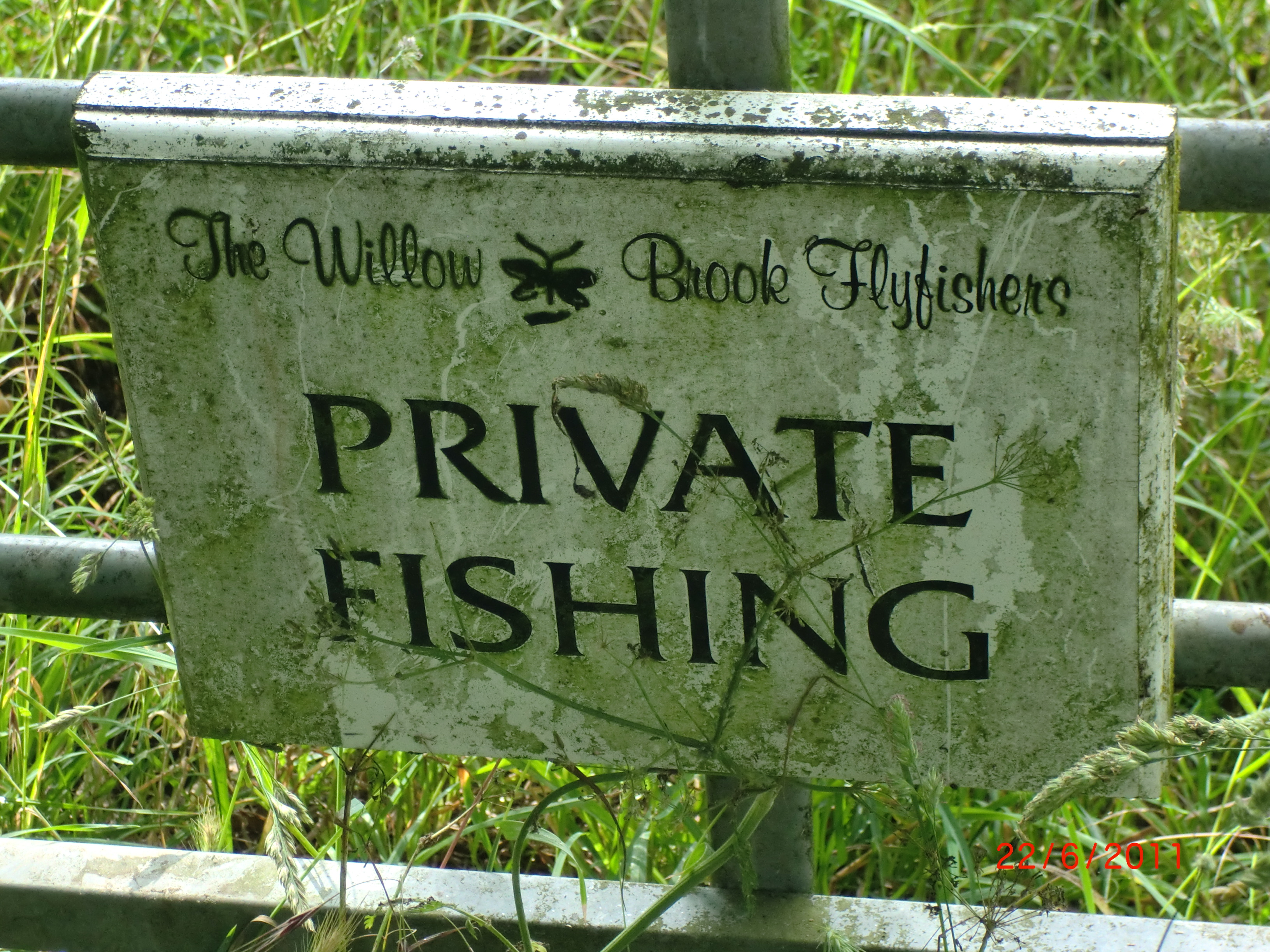
“The Willow Brook starts life in the industrial estates of Corby, Northamptonshire, and runs for about 15 miles until it enters the River Nene at Elton. Historically there has been heavy metal pollution from steel production until Corby steelworks closed in 1980. The steelworks took water from Eyebrook Reservoir for cooling and conveniently discharged it into the Willow Brook.

The first record of stocking with trout was in 1954 when Peter Tombleson, Editor of the Angling Times, stocked a short length near to his home at Woodnewton. Four years later The Willow Brook Flyfishers was formed and 3 ½ miles of river was stocked annually. This continued for the next 46 years until 2004 when an Advisory Visit from the Wild Trout Trust started changes in management which are ongoing. We have introduced a hatchery box, installed flow deflectors, cleaned gravel beds and ceased stocking in half of the water.”

Whilst the Willow Brook Flyfishers is a small club of just 30 members,

their generosity stretches to offering a two rod visit to their water in the WTT Annual Auction, and having missed out in 2010, I was determined not to, this year, and thanks to the wizardry of e-sniper, did not!

[Forgive me for recommending the IT way of winning bids via on-line auctions, for as I see it, whilst bids may rise higher than some would consider reasonable, there will always be two winners, which is rare….and by the way, the WTT is making a big difference in my view]

Mike ‘hosted’ my visit thoughtfully, suggesting that we walked parts of the beats in the late afternoon, prior to an evening fish, and after supper in The White Swan…and a good pint of local ale! But first things first.

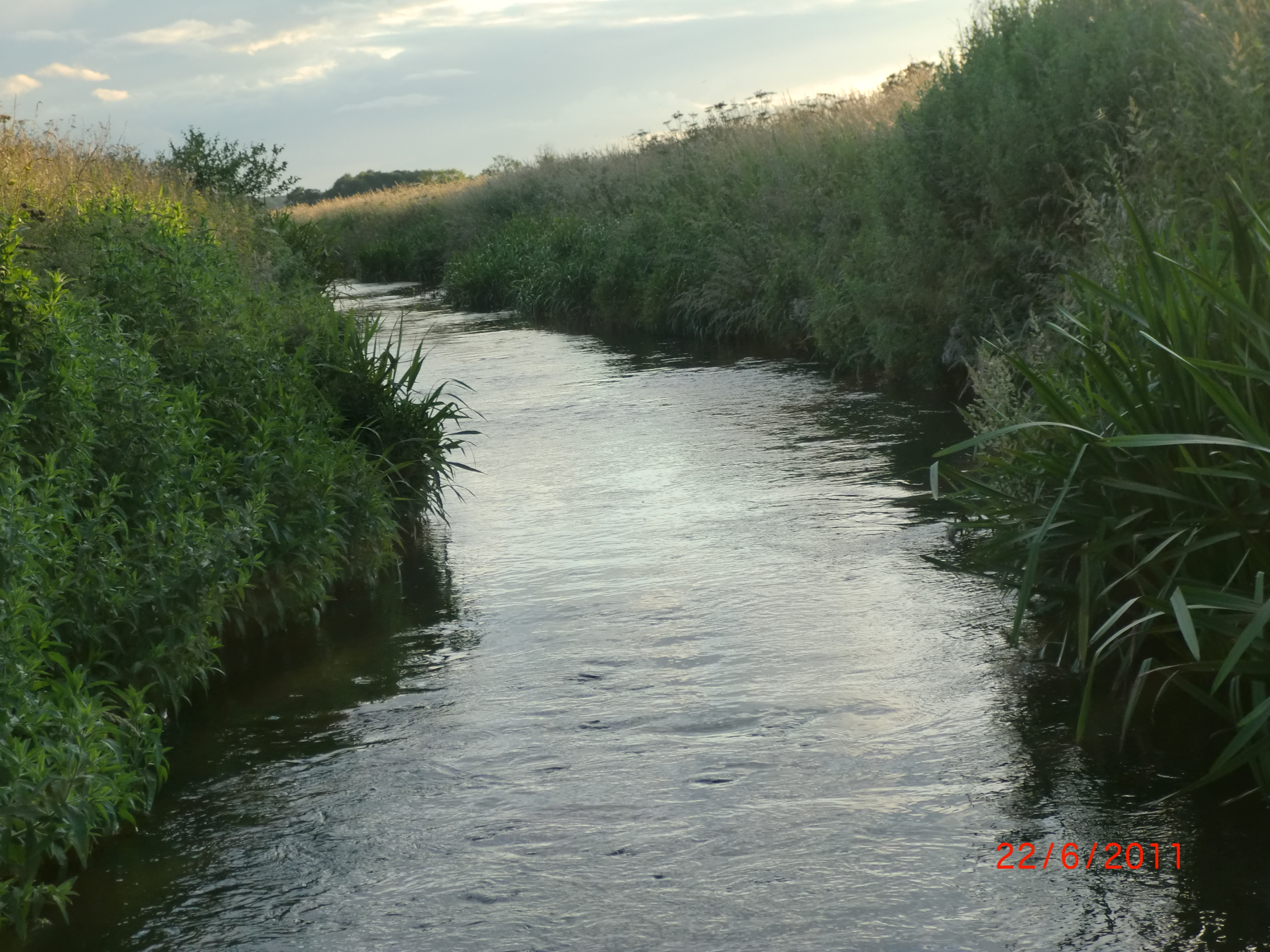
A short drive to the most beautiful village of Fotheringhay, in the grounds of which Abbey, Mary, Queen of Scots was executed in 1587 on the orders of Queen Elizabeth 1…and my first sighting of this pretty brook. Clear, limestone, narrow, waving weeds, overhanging trees…the odd dart of a disturbed juvenile, spied between high nettles and dying cow parsley and grasses on the set aside of a farmer with whom the club has a symbiotic relationship!

And   Chub…some of the biggest I have seen were cruising quietly, while around them, busy dace were sipping off the surface. We walked three parts of the water, and Mike shared his knowledge of his water and I sipped on this as busily as the dace I was not interested in!

I picked up a ridiculously obvious tip from him…look in the spider webs to see what is hatching…how long have I been fishing? My sense is that Mike defaults to nature and rejects the current nonsense that fly pattern is unimportant, and secondary to precise presentation of whatever takes your fancy! He is mainly, like me, a dry fly fisher.

So supper with Mike and Ian Canadine, was followed by an evening fish, which for me, wading upstream from the bridge below Martins Farm produced five uninvited dace onto my carefully presented elk hair caddis, and a growing sense of frustration when I never thought any of the rises I cast to, were to the spotties  I sought, that produced these slippery, silvered, delicately rouged finned, little ‘coarse’ devils.  And a quick drenching rain shower improved nothing, nor did the winds nor the fading light in which I had to rework my leader, spoiled by too long back casts into the enticing grasses behind and beside me,

nor did the returning Ian, who had a 3lb chub AND a 10” wild brown on a black klinkhammer…maybe Northamptonshire was not ready for me?

The highlight of my evening was an excited Mike, who, seeing fish moving in riffles somewhere below the Farm bridge, with spent olives afloat, caught a ‘small’ brown…..and then….the largest brown he has taken in all his years on his water. He was justifiably excited. A fish of more than 18”, weighing in, at close on 3lbs, and taken on a Sherry Spinner. He was beside himself…who would not have been? And a celebratory pint at the White Swan (albeit rather late) seemed reasonable, as I considered ’tomorrow’!

‘Tomorrow’

It was dry, sunny and only a little windy, and in those conditions, Mike had suggested that I worked the bottom of the water on the Nassington Road stretch, where for the right handed caster, the trees offered some protection from the westerly winds. A walk some quarter of a mile and I was into the water and hopeful. I saw some lovely chub, and some frisky shoals of dace, and at least two small trout which saw me long before my first cast to them.

Wading varied from 6” over gravel, to waist deep on the edge of bends where fallen trees had scoured out silt edged deeps, and care was essential. Bravery was important because the options were limited, and even within a six foot breadth, it was either  a nettle attack escape, or a watery, over the top of the waders soaking….all fishers know what I mean. But in such small waters, this is always  a surprise, and in particular, when seconds before you were treading on wet ranunculus, and wondering where the fish were!?

Any way…I caught nor rose a single brown. But added to my catch of the now, dreaded, dace! And saw more Chub (there were some serious specimens below the bridge here), and began to wonder if it was not to be!

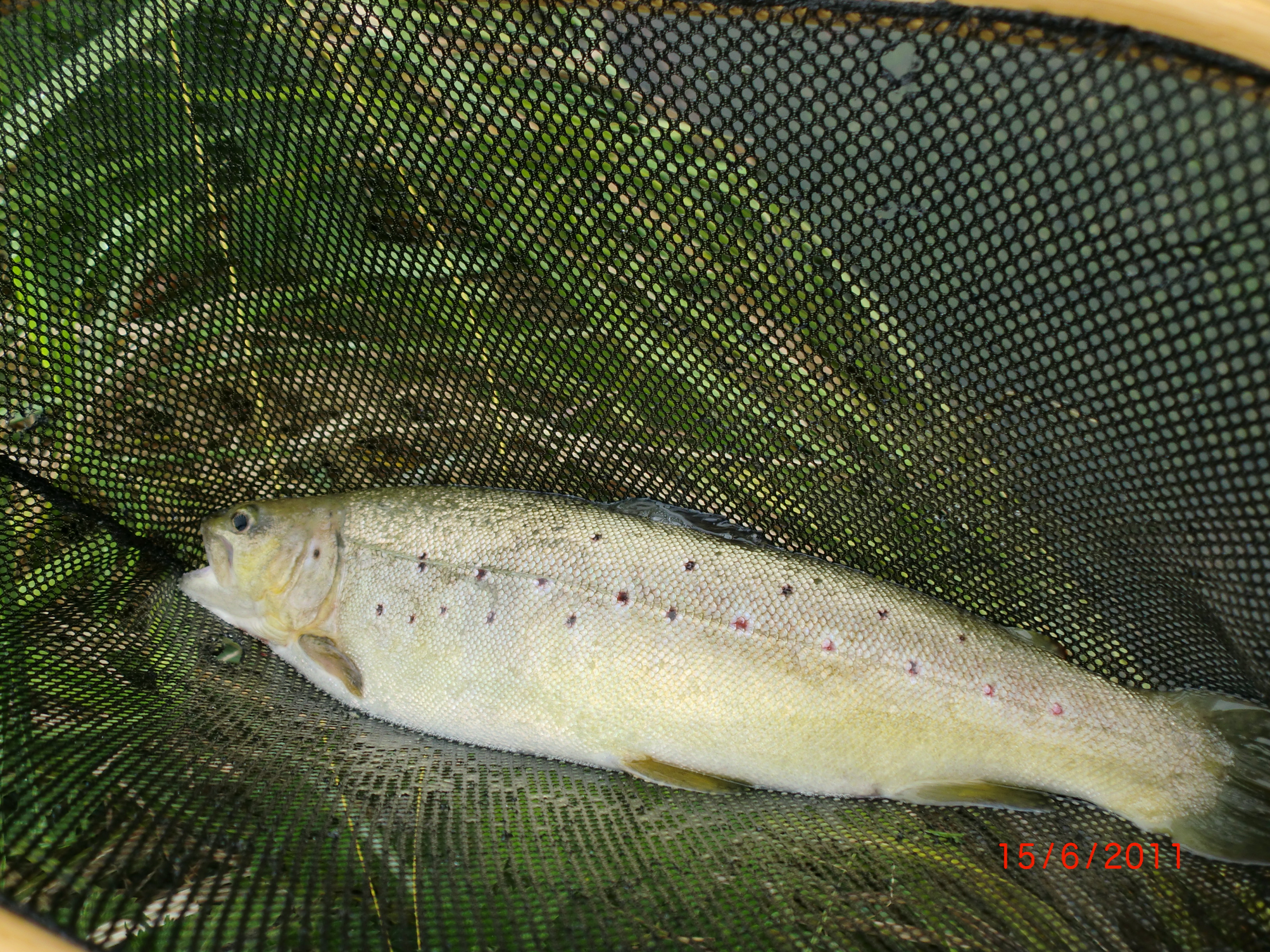
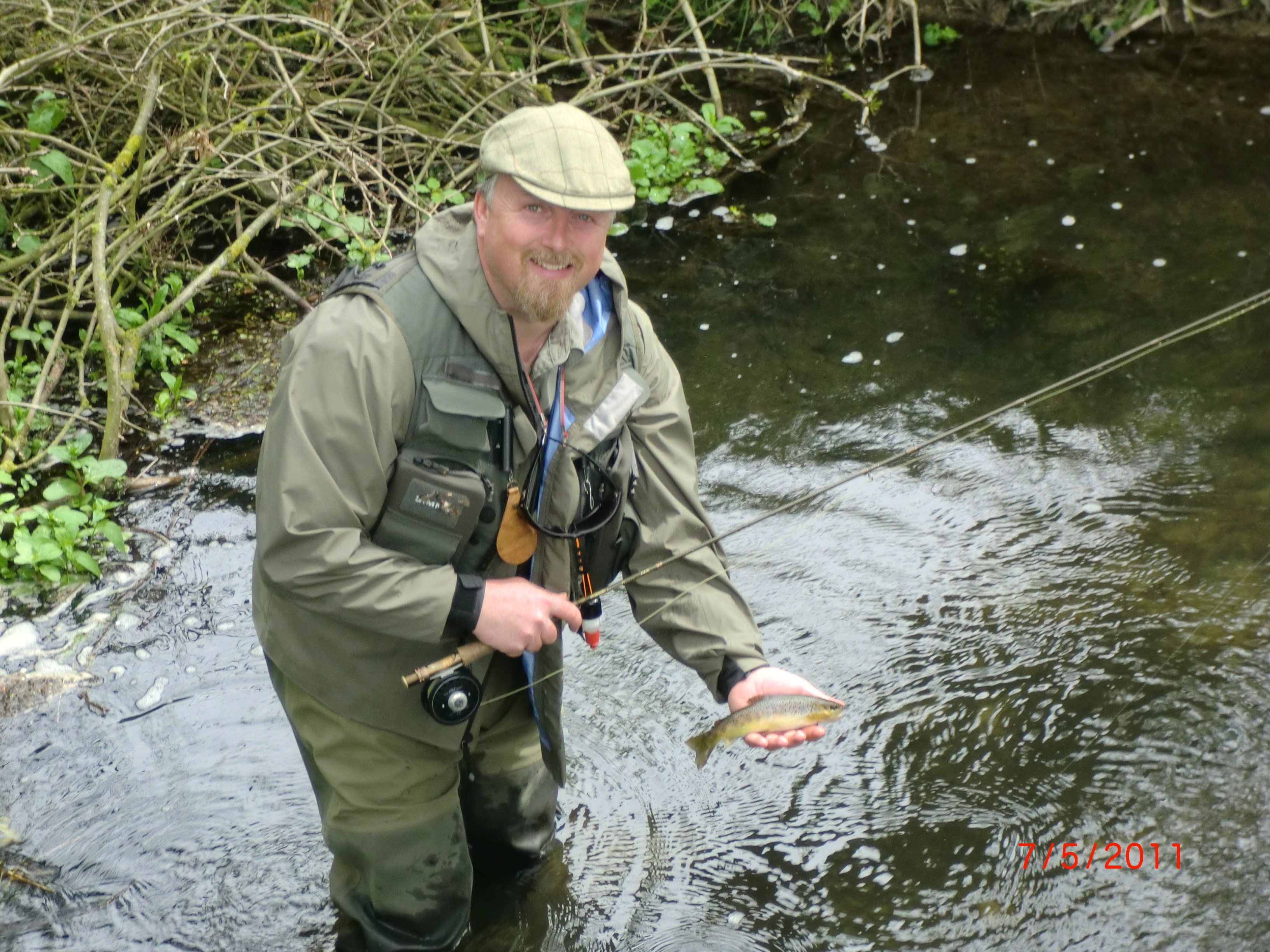
So I drove back to Woodnewton, and began to cast into the interesting runs and deeps there, and it started to rain…hard…and even hiding under leafy fronds could not stop me from a right soaking. But when, eventually the clouds passed (for twice I ventured, prematurely, from my hideaway, and twice more a soaking!) I walked down to where, on the previous evening’s tutorial, Mike showed me where his team had manhandled one hundred tons of gravel to create new flows and breeding grounds. These were not pebbles, but stones and the work effort that must have been needed to create this stretch was massive. Wading to it, I noted the swirl of a fish in shallows at the top of the bar, that did not look chub-like! Tail fin out of the water, was it raising caddis from the stones, perhaps? To the outside of the gravelly mound, revealed by low water, in the faster run under the left bank, two fish scattered upstream when they saw me. And there’s was not chub like flight. But there was movement and some feeding no more than a decent 15 foot cast away…probably not the frightened, and my second cast, with a yellow klinkhammer at the serious end produced a ferocious take, and an excited prospector, knowing he was in danger of achieving what he came to achieve, netted a 14” Northamptonshire fish, when the same prospector thought that a ‘blank’ was most likely.

The rain was followed by bright sunlight, and this must have had the awakening effect on the river that a shower can…31 now!

I am immensely grateful to Mike, who as a result of our fishy conversations, and who, in admiring my lovely Moreno rod, must have realised my interest in such aspects, thought to write to me with information on where to buy the silk lines and furled leaders he uses, which I now will do. Will these help me catch more fish…probably!  And even if I don’t, my pleasure in using materials which our forebears used, will connect me with our influences.

Thank you, Mike

…thank you Willow Brook Flyfishers, and cheers to the WTT.

And….a thank you to Judy and Rod, for a very comfortable overnighter at the lovely Bridge Cottage

BERKSHIRE

Tags

, , , , , ,

Howard Mann fishes…for anything!

As I write this, he is in Alaska with Celine and Australian buddies, looking for steelheads and Pacific salmon!

His first love, “real fishing” as he insists, is for coarse fish, and casting a fly is a relatively newly acquired skill, but there is not too much he does not know about how to catch pike, bream, perch, roach and barbel from the Thames at the bottom of his garden (and anywhere else, he can, with ‘celeb’ fishing pals) and his specimens are recorded and photographed and logged on a ‘scoreboard’ in his fishing hut, along with prize catch of each by his son, and also visiting friends. He has more fishing ‘stuff’ than you can wave a stick at in there. Along with a selection of walking and rambling gear, for he, like me, is ‘on a mission’ His, is to walk to the highest point in every county. We have agreed to differ on the number of counties there are! He is a purist!

After blanking on the Usk together in April, he reckoned that Round Two with is new dysyllabic (trout!) pal, on his syndicate water would be productive, and so it was to be.

June 2011- the Kennet

Benham Park is a magnificent mansion designed by Henry Holland and Capability Brown for William, 6th Baron Craven in 1775, and today it has been converted to offices !?

But through its 150 hectares, and just two miles upstream of Newbury, flows the Kennet.

I don’t know the Kennet that well. I have fished it upstream at Barton Court with only an escapee rainbow to my name. But the water seems clearer, and more obviously chalk stream there, and just four miles upstream. The water this day at Benham Park, was, in parts, ‘grey’,

and Keeper, Gary Allen explained that above Benham, the River Kennet and the Kennet & Avon Canal are conjoined. Whereas once the canal ran clear and shoals of fish, mainly roach, were always evident, the onset of lottery funding and the impacts of additional recreational use has changed its character, and water clarity is a distant memory. So this water ‘dirty’ water makes its way into the Kennet. The water I witnessed below the fishing hut has phosphates and suspended solids in it, along with algal growth and greater silt concentration, and low winter rainfall and low Summer levels means that he dare not cut the weed, for fear that whilst flows will increase and some clarity will be regained, water levels will fall and fish stocks will be vulnerable to predation. As a Keeper he is stuck between a ‘rock and a hard place’, and whilst winter rains will restore the aquifers, and improve matters, the real need is a complete separation of the canal and the river, and attempts are ongoing to achieve this.

Our day started with Howard revealing that the race below the hatch in front of the fishing hut was, in Victorian times, the Craven family swimming pool,

and iron works still show where the diving board stood. I have to confess that I was more impressed by the rises under the trees opposite, but also wary about growing cloud cover and an increasing breeze, suggesting that rain was en route.

And after walking to the bottom of Parliament Draft, one of Howard’s favourite carriers, a few casts later and the drizzle began. But below the bridge where were suspended some cords attached to floating boards,


at the end of the race through the narrow arched brickwork and the etched out deeps, I connected and lost. But another cast and a jerking retrieve (if you have not read Robert Hughes’  ‘A Jerk on One End’…do, it’s very amusing!) and minutes later, my first Kennet brown was banked and returned.


And then I netted a second from the same pool hooked by Howard, in the rains…

But the rain stopped and we walked and cast occasionally into the carriers, including the renewed, Allens Brook, until a call from Gary suggested we tried emergers on the main stream below the hatch at the top of the club’s beat.

Well….a small brown (only my second from the Kennet) was followed by two dace, until a huge shouldered, wide mouthed brown took a look at my Adams, and I was astonished and by its size and just gasped in amazement at what I had seen come up to the surface….and cast eagerly again, for I sensed no contact, and thought that without pricking him, he might be tempted up again….and he was, and was hooked, two casts later. He was strong and fought so hard and I shouted to Howard for help, because from my casting point some feet above the water there was no easy access to net him, and besides mine was too small.

This photograph does this specimen no favours,

because he was a tad under 3lbs, and is yet another large wild brownie which I have been fortunate to catch this season.

When you catch such a fish, you stop and think, just what a privilege it is to unhook, hold and admire such beauty, and to know he is going back to grow and enjoy freedom in a lovely stream.  And…inside you, the Hunter Gatherer feels that in spite of man’s natural urges, there is no real desire to catch another, for there are few to match him. He was that magnificent, and I am pleased to have returned him.

So, stop now, and be grateful…for what you (I) have just experienced.

And so I was.

Howard and I hooked up again (sic) and walked the length of the beat to the dreaded A34 bridge, and cast a few times into waters, which may have held fish, but…my day was already complete.

Thanks, Howard…now where shall we fish next, together? And on the fly!

Oh!….those boards below the bridge on Allens Brook? They mark where Gary has set traps for the horrid American Signal Crayfish, and walking downstream we bumped into him on his 4-wheel, and observed buckets of his ‘catch of the day’, which will by now have been served up and enjoyed by diners in a local pub no doubt. Sadly they will be on the menu for some time to come.

Even though this stretch of the Kennet needs attention, Gary keep(er)s his beat of this special river extremely well. The syndicate is lucky to have him.

DORSET

Tags

, , , , , , , ,

My experience of Wessex Chalk Streams’ fishings in September 09, through whom I first ventured onto a Dorset river was influenced, positively, by the helpful tips at the time of booking, from Richard Slocock for tackling the Moreton beat, but, differently, for the lack of response to several attempts afterwards to engage in an exchange to understand some of what I observed, and of which I wished to learn more. (Were those salmon redds I spied?)

A difficult day in changeable weather, when I was advised to “bring a good selection of weighted nymphs”, did, nevertheless yield one trout, to an Elk Hair Caddis.

My second visit to the Frome was entirely better….memorable, fulfilling and a complete joy!

May 2011 – the Frome

Stephen Wingfield Digby and I worked together some five years ago, and prior.

The wretched ‘Big C’ took away the Mother of his three adult children, but he found a new happiness with Sylvia, who herself had lost her Husband to the same terror. Their’s is A Love Story, and few will forget their ‘coming out’ in Brewers Hall, when said Diggers, proudly presented his Fiancee to our Company, his smile had to be seen to be believed!

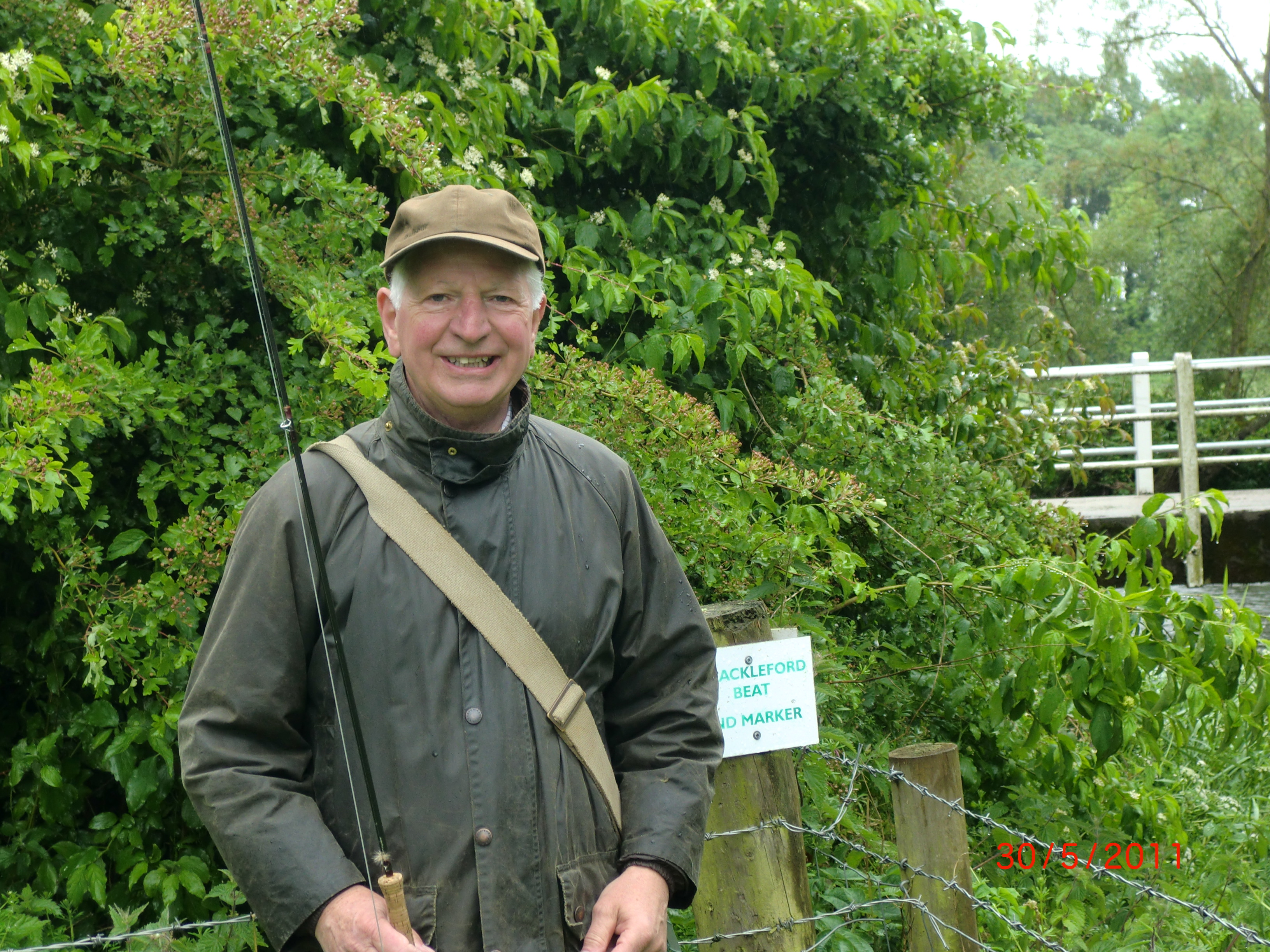
He is a ‘Shot’ of note, a salmon fisher by preference, and a beautiful presenter of a dry fly to a rising trout….and when he learned of my quest, he generously invited me to fish the famed Wrackleford beat (see Trout & Salmon, March 2010) where he has two rods on Mondays through the season.

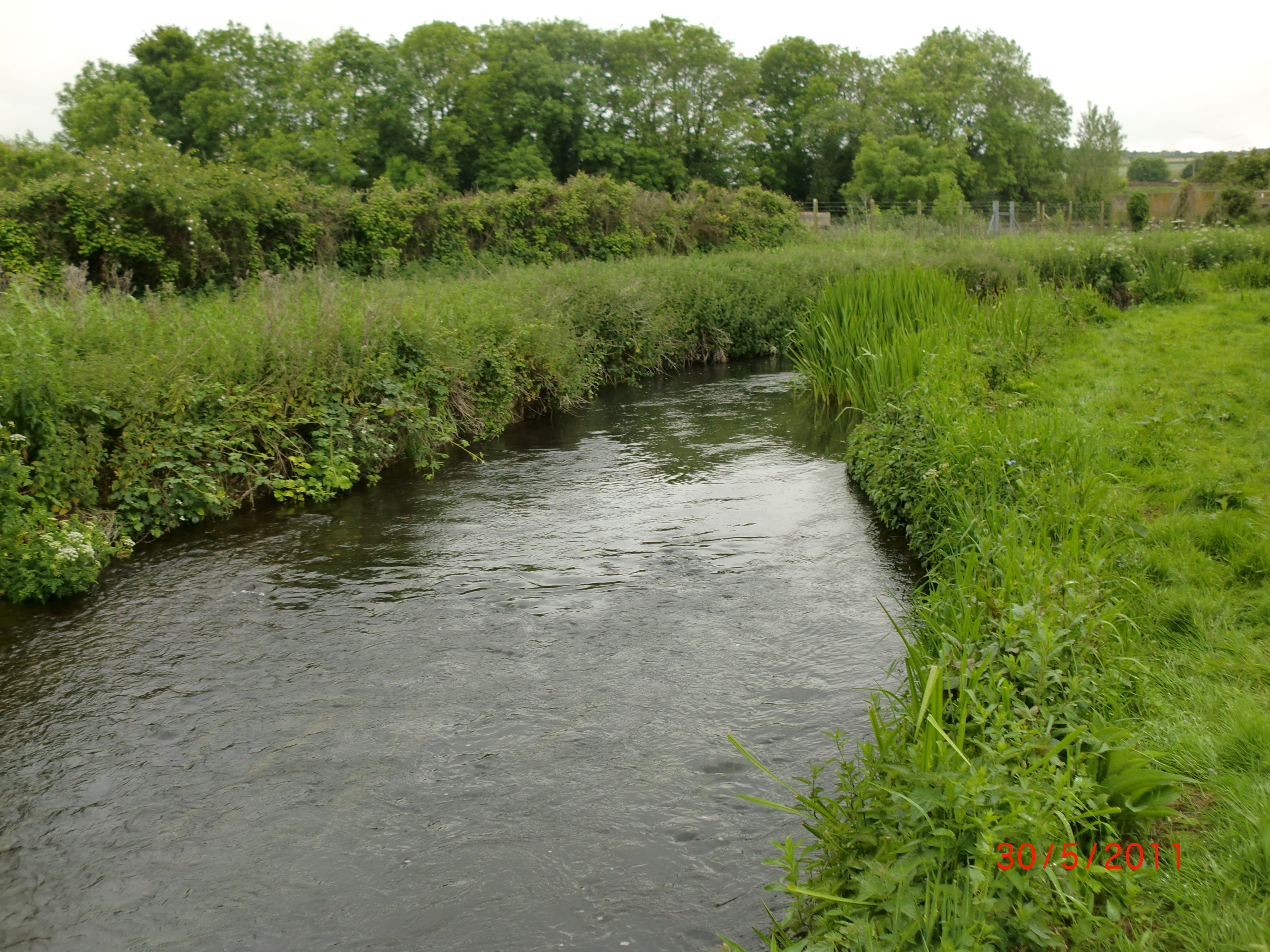
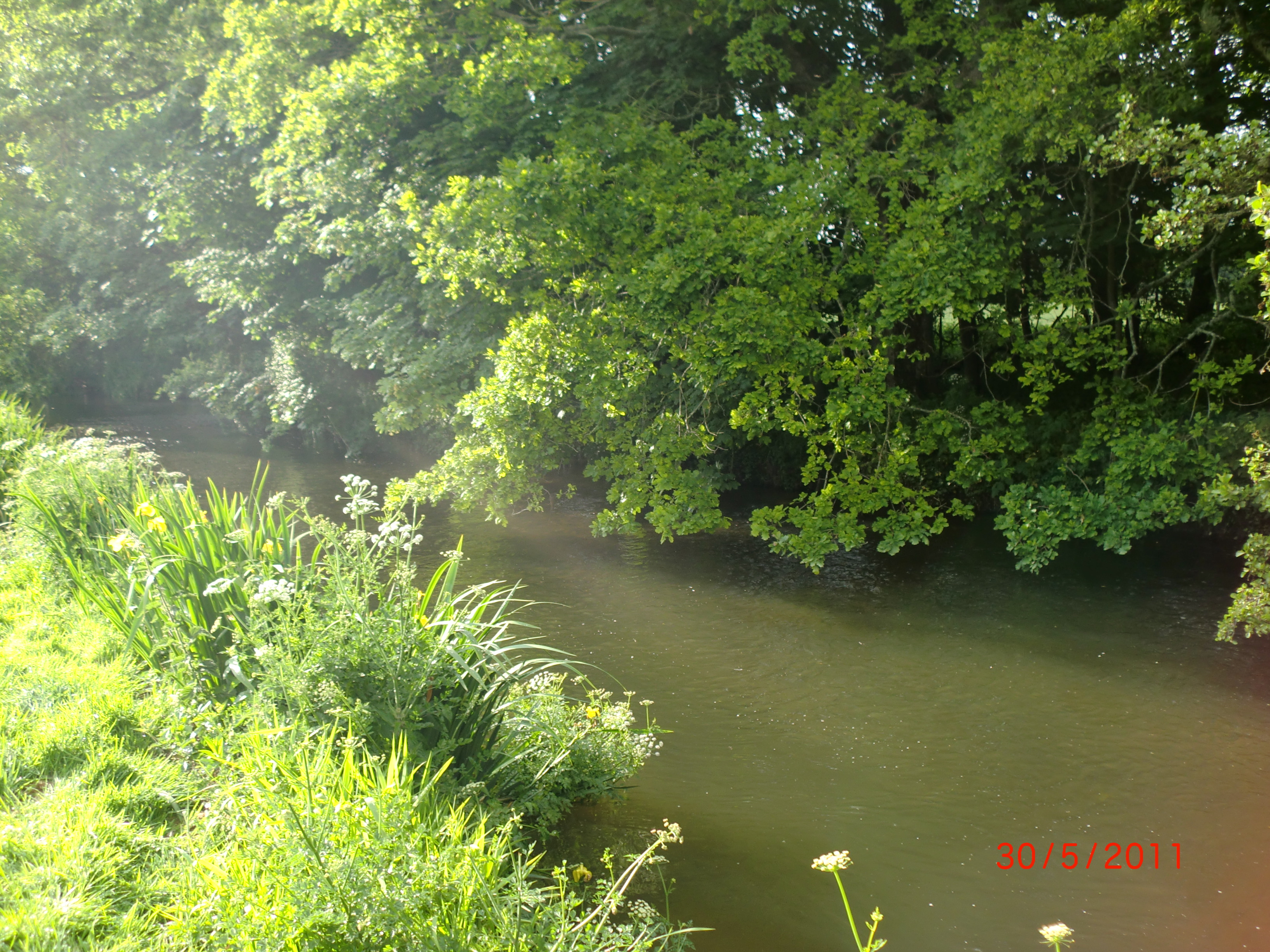
The drive to Dorset was made largely in light, but continuous drizzle, but prospects remained buoyed by the forecast for sun spreading from the West, late in the afternoon, and after some coffee, Stephen suggested a mosey down to the Home Beat, which prompted an “Ooohhh!!” from me, and a confirmation for Simon Cooper’s description of this lovely water, in this short video –  www.fishingbreaks.co.uk/movies/wrackleford.htm

A few casts, some with nymph, and some with an enticing yellow humpy, only produced one bit of interest. But we walked the entire length of this section, with me looking for likely lies…and spotting many, whilst not seeing many fish, which I judged to be in the weedy margins or at the bottom of the many pools, but there was still a very strong sense of anticipation, about.

And whilst when we ventured out in the afternoon, there was still moisture in the air, the clouds were breaking and the temperature was noticably higher and at the bottom of the beat some Mays were hatching to the odd ‘gollop’ and the splashy rise of eager trout, and two jumped out of the water in their enthusiasm to feast, and suddenly all looked good !


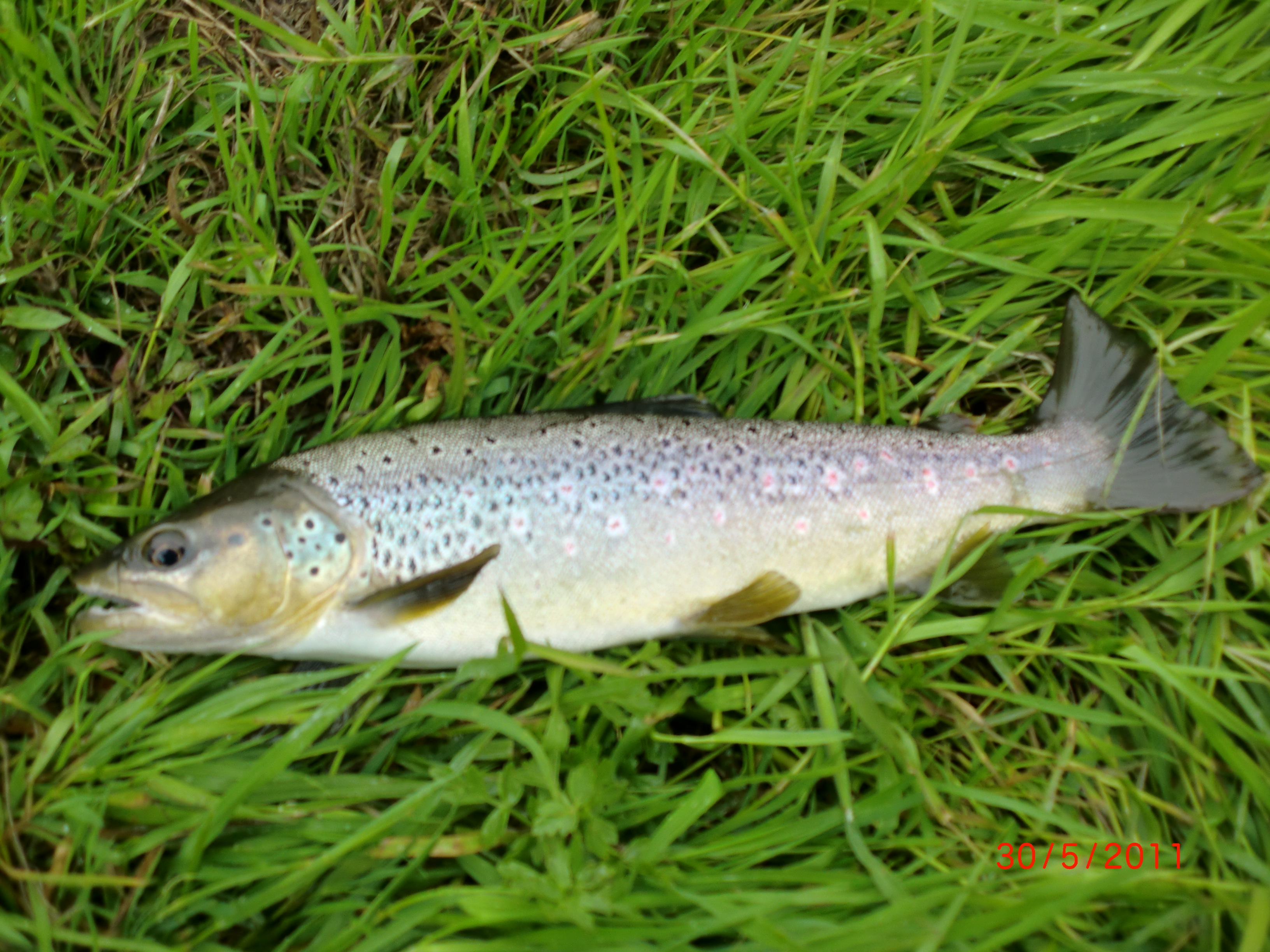
Two fish came up to my (last!) Webster’s Infallible but were missed, before the next nailed it and my first brown came to net.


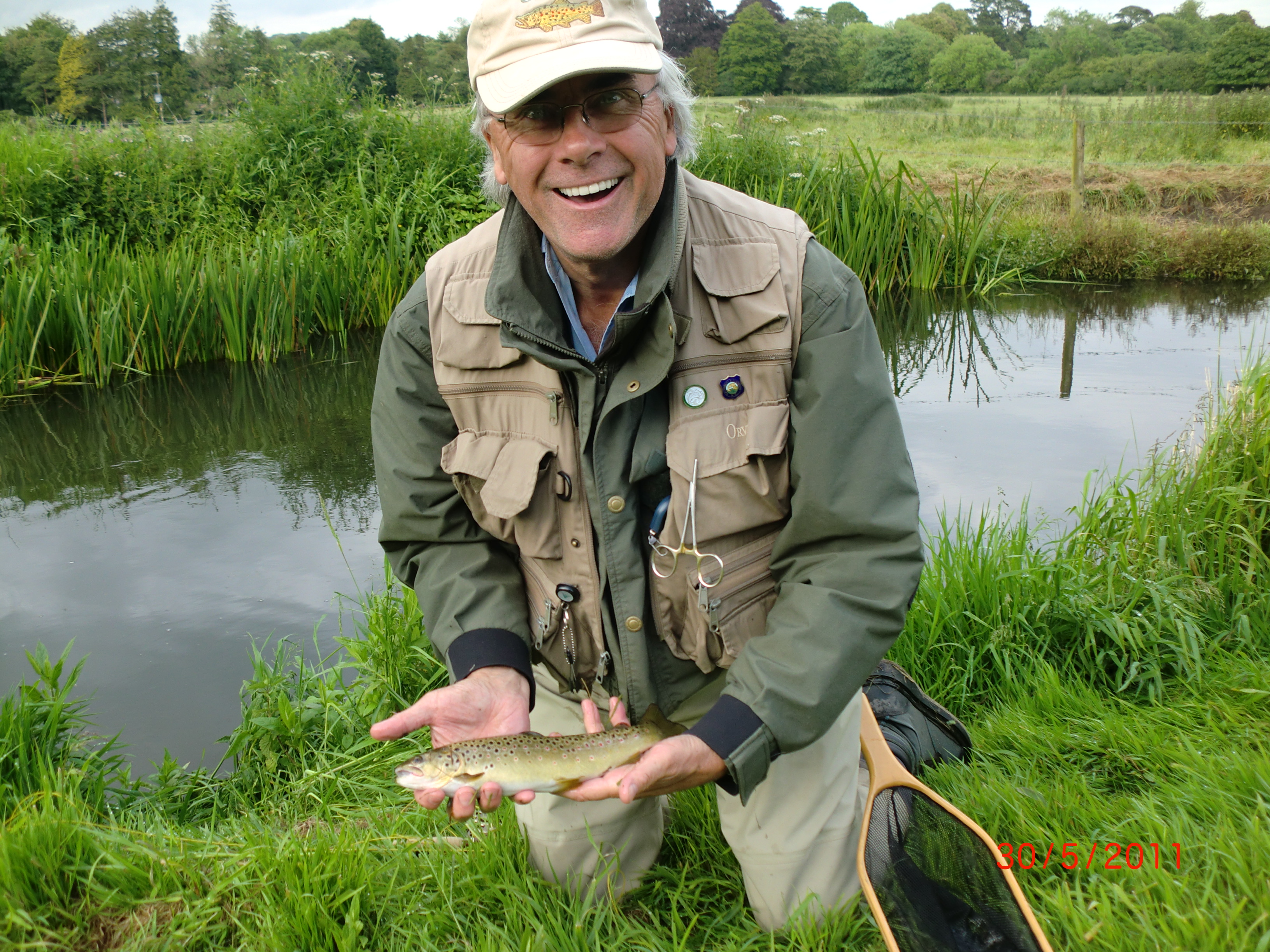
The second, fought like a demon, and I believe it to be the largest brown I have taken from an English river at between 2 ½ and 2 ¾ lbs….and even better,

Stephen convinced me that the Wrackleford stocking policy is such it was almost certainly, a wild fish.

Arriving at the Eel House by the Home Beat Hatches,

I met Stephen’s other guest, who had already caught six fish! Stephen is Chairman of the Governing Board of the renowned Sherborne School, and his guest is Chairman of another. But I was flattered to realise that he was invited on that day for another reason. For Phillip Jones was until 2007, the Head Master of my Alma Mater…Christ College in Brecon, where, of course, I learned to fish….we had interesting chats through then until the evening’s end after supper, of that special school, and how he sought and did influence proceedings in his time, and compared with mine!

By 5 pm the fish were rising in warm air, and we caught twenty or so between us, mine latterly (another four) to a Mayfly (Danica) spinner, on Stephen’s recommendation,


and after a Pimms break at six, it was back to fishing. But the temperature was dropping, and the dancing Mays, hatching olives, and skittling caddis of before ourdrinks break, had disappeared, and there were to be no more fish…just the prospect of Sylvia’s lovely dinner. There’s more to fishing than catching fish!

Interesting post script – Stephen would have killed my big brown…for he judged it to be quite old, but more importantly, it probably predates on small browns. I must reflect on this piece of fishing wisdom.

HERTFORDSHIRE

Tags

, , , , , ,

The opportunity to fish Hertfordshire again, originated from a conversation with a fellow Master in 2010…the Master of the Worshipful Company of Scientific Instrument Makers, Harry Tee. We met through the interminable lunches and dinners, but discovered a mutual passion during the traditional ‘end of term’ get together known colloquially as ‘The Ironbridge Weekend’ which enables the Alumni and spouses to mix socially outside of the City’ formality and out of town, and at the same time, learn about Telford’s massive contribution to the Industrial  Revolution in our country. But Harry and I talked ‘fishing’! And he invited me to try for the trout on his syndicate’s stream.

June 2011 – the Rib

I would describe the Rib as a stream stocked with trout,

rather than a trout stream, but because it has been, it now has a head of wild fish, too. Originating near the East Hertfordshire village of Buckland it is 20 miles long and runs parallel with the A10 through Buntingford, Westmill, Braughing, Puckeridge and Standon until it reaches its confluence with the River Lea near Hertford. It flows over clay which, as it did when I visited, can discolour it, but on my visit this was because flows were slow after a Spring drought, and water levels were low. “A good storm will clean and transform it”, declared Harry, although a tinge of colour is the norm. His beat in Thundridge is leased to a small syndicate, known as the Fanham Fly Fishers Association, and its dozen or so members have a mile of river where, in addition to seeing the odd trout, I spotted a couple of shoals of dace, and I suspect the odd, rather large chub is hooked when emerging from under the roots of alder along this stretch.

The fishing is tough. No manicuring here.

In fact in the adjacent farmland, the broad bean acreage, and the wheat, too,  is only separated from the stream by the narrow margin of high nettle which made me grateful I was wadered, and this vegetation abbuts the  six foot drop to the stream, which persuades members to bring  long handle landing nets to capture their catch from above! And then there are the trees, bushes, stringy grasses, cow parsely et al. which combined with the side wind on this day, made casting a longer line and dry fly, testing to say the least. This is real, wild, small stream fishing, which Readers will know is exciting me, more and more.

Flies this day were few and far between, and rises were scarce. But the sun was up, and maybe…a little later, perhaps?

Harry got a ‘nudge’ to his Wulff, and when I spotted a rise upstream of him, I tied on a Greenwells but the wind prevented a sensible presentation through a tight line between the alders. In spite of my appalling faffing, huffing and puffing, the broad backed fish patrolling beneath me was not spooked by my dreadful attempts to reach the fish beyond him. I first thought him to be a chub, but when he gently rose to sip a fly and I spotted his spots, I started to concentrate, and turned into an Intrepid Stalker. Can you catapult cast a weighted nymph?   I learned to, and fast…and quickly had a take. And that’s when I realised I had a problem…no long handled landing net!

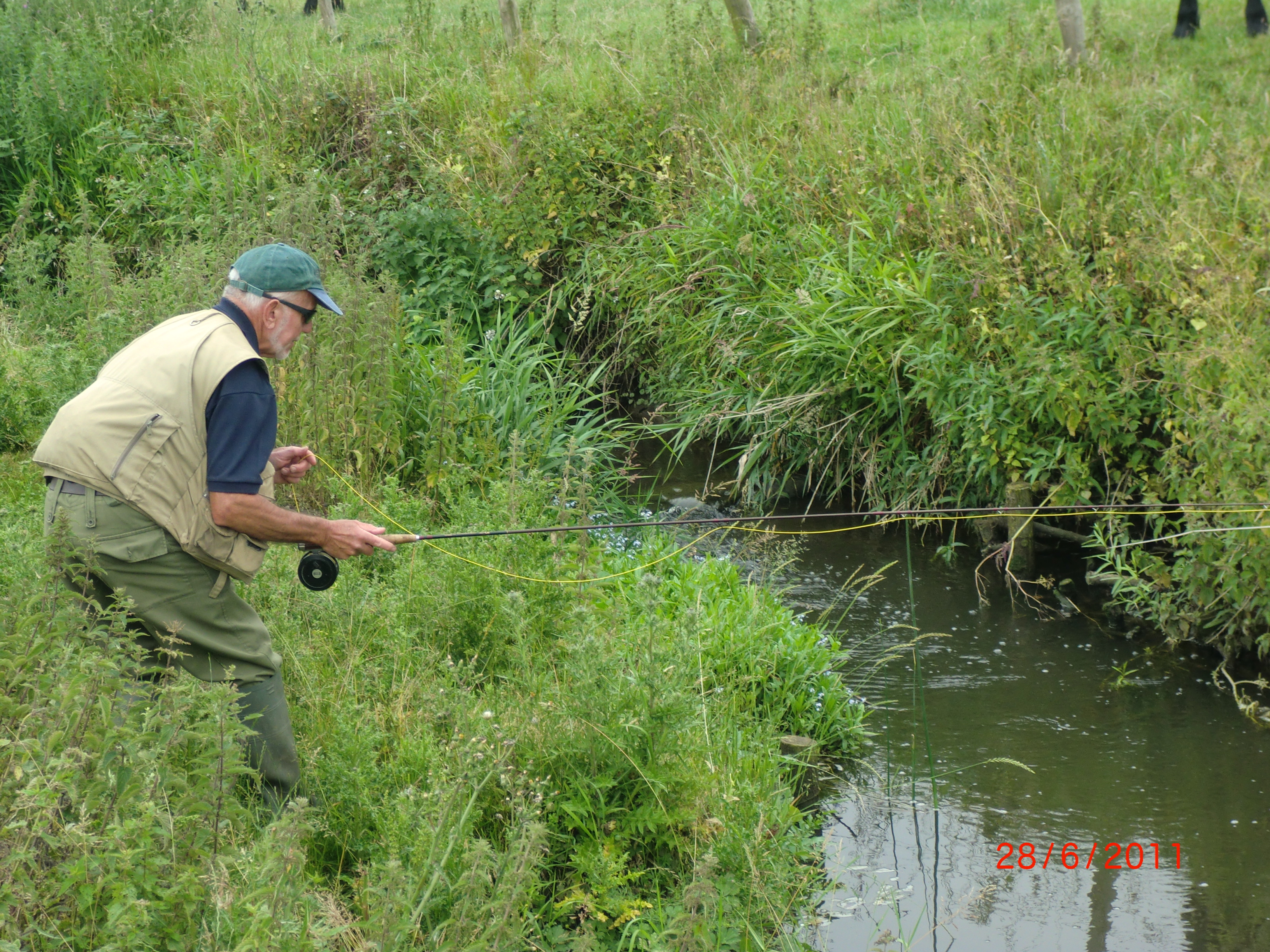
He was too heavy to haul out and up several feet of bank on my Moreno Borriero 4-wt bamboo rod, so I had to go down and get him! Sliding down through the nettles was easy, but the roots I planned to arrest my slide did not, and I was into four feet of water quickly, but the fish was well hooked and after several powerful deep plunges, he was persuaded into my tiny net. Stocking is done with fish around the pound mark by the syndicate, so at 2lbs. He must have been in the river a while.

Clambering back up through the nettles was interesting…

I caught a few dace later on a BWO cdc, too…crazy fishing this, but a little oasis of pleasure for the group who enjoy it…as I did…thanks, Harry.

EAST YORKSHIRE

Tags

, , , , , , , , , , ,

Dinner the night before with Clare and Julian in their lovely and grand farmhouse in Melbourne was a delight, and I left them in high hopes as the wind seemed to have abated, and the sun was shining in a clear blue sky. As it was, having driven through the Wolds, when I arrived at Mulberry Whin, the farm owned by the Dixons, and just to the south of Great Driffield, toward the tip of the most northerly seam of chalk in the UK.

Owner, Brian

has a property which exudes ‘friendly’. He engages newcomers with his enthusiasm for the outdoors and happily describes what he hopes, whilst hares run amok in the protected meadow, and curlews sing …he is grateful for the help he receives from English Nature, and proud of the haven he is creating, and having reclaimed his beat, previously leased to the Driffield Angling Club, he is applying conservation techniques to his mile on a world famous river, without overdressing it  ‘a la Test’

…his is a kept, rather than manicured water…..and it is lovely.

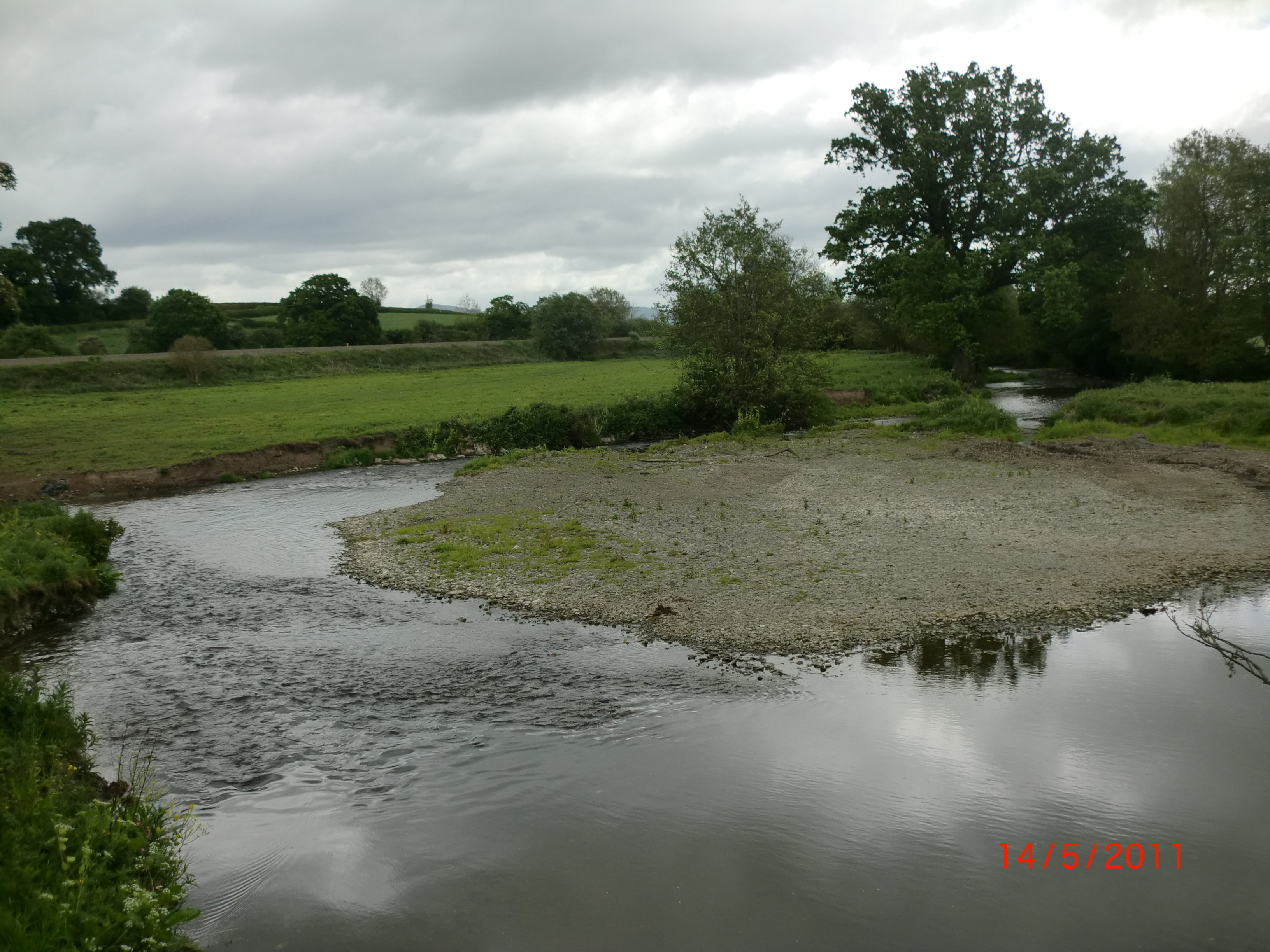
It  is roughly forty feet wide at this point and has white gravelly shallows, faster runs between bulky ranunculus, and in the bends, the deepest pools which you could dive into safely…but above all, the water has such clarity you can see the bottom anywhere,


which means the fish can see you, too. But these are proud fish and safe in the knowledge that cover is never far away, and they hold station, fearlessly, and some trout are quite big, as are the grayling, which Brian informed me, come to net at over 2lbs regularly. And I saw two eels swimming upstream to goodness knows where, because the Beck rises only a few miles upstream of us…but a good sighting, and a rare one.

May 2011 – the Driffield West Beck

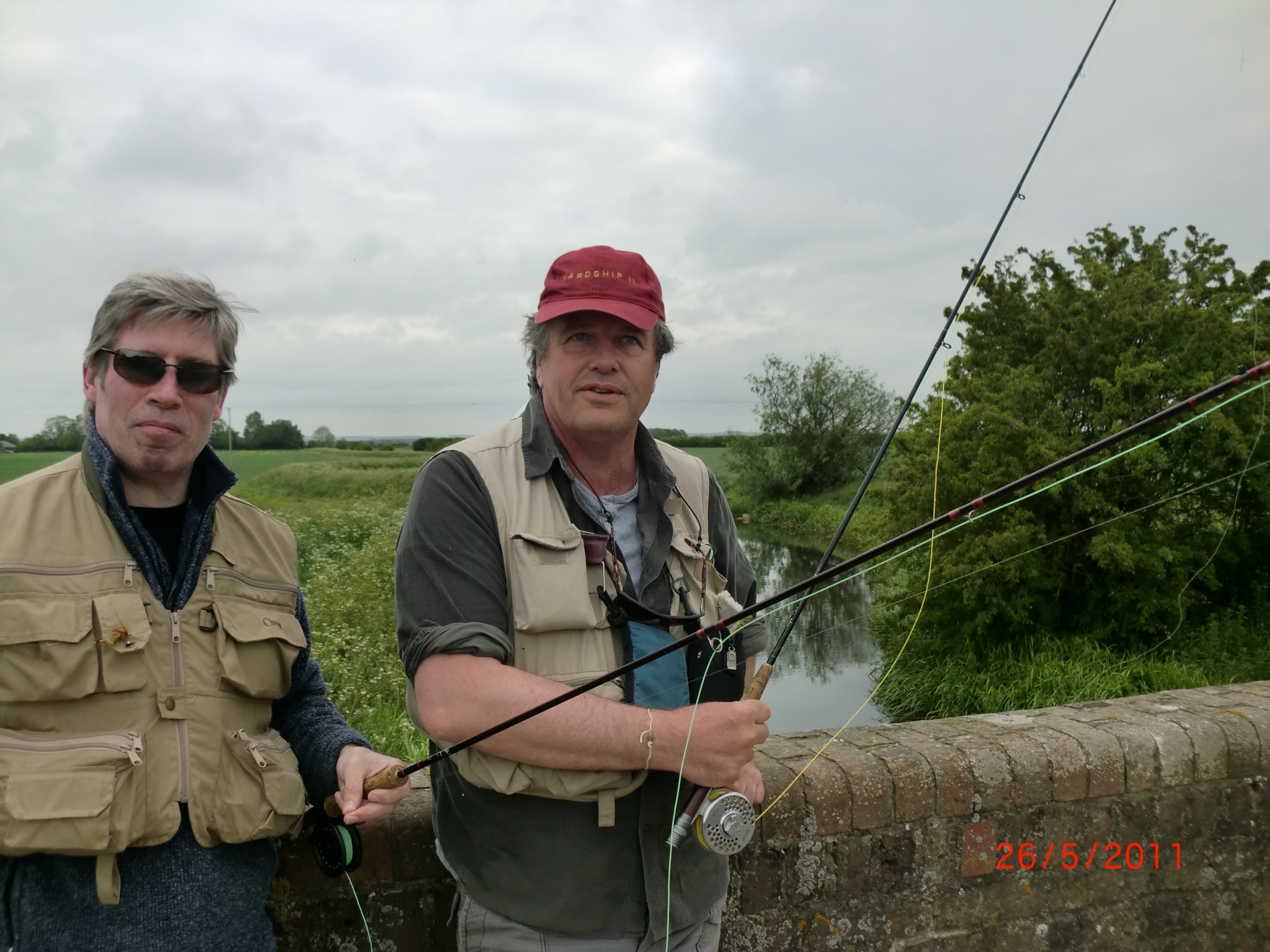
I am here with Paul Jennings and his friend, Nigel Houston, and after our ‘hellos’, we split up and I walked to the bottom of the beat. It was a windy morning (again) and there was little in the way of fly life, and I can see the fish deep down. An Adams brought on a couple of takes, but the fish are quick, and nothing comes. I arrived where Paul was casting to several rising fish, but we could not see what they were taking. Certainly there were no duns to be seen, so they must have been sipping emergers, but Paul told me he had ‘been through the box’ (and netted just one fish) and he concluded that in the slow flow, they had so much time to see the offering, their selectivity was painfully frustrating!
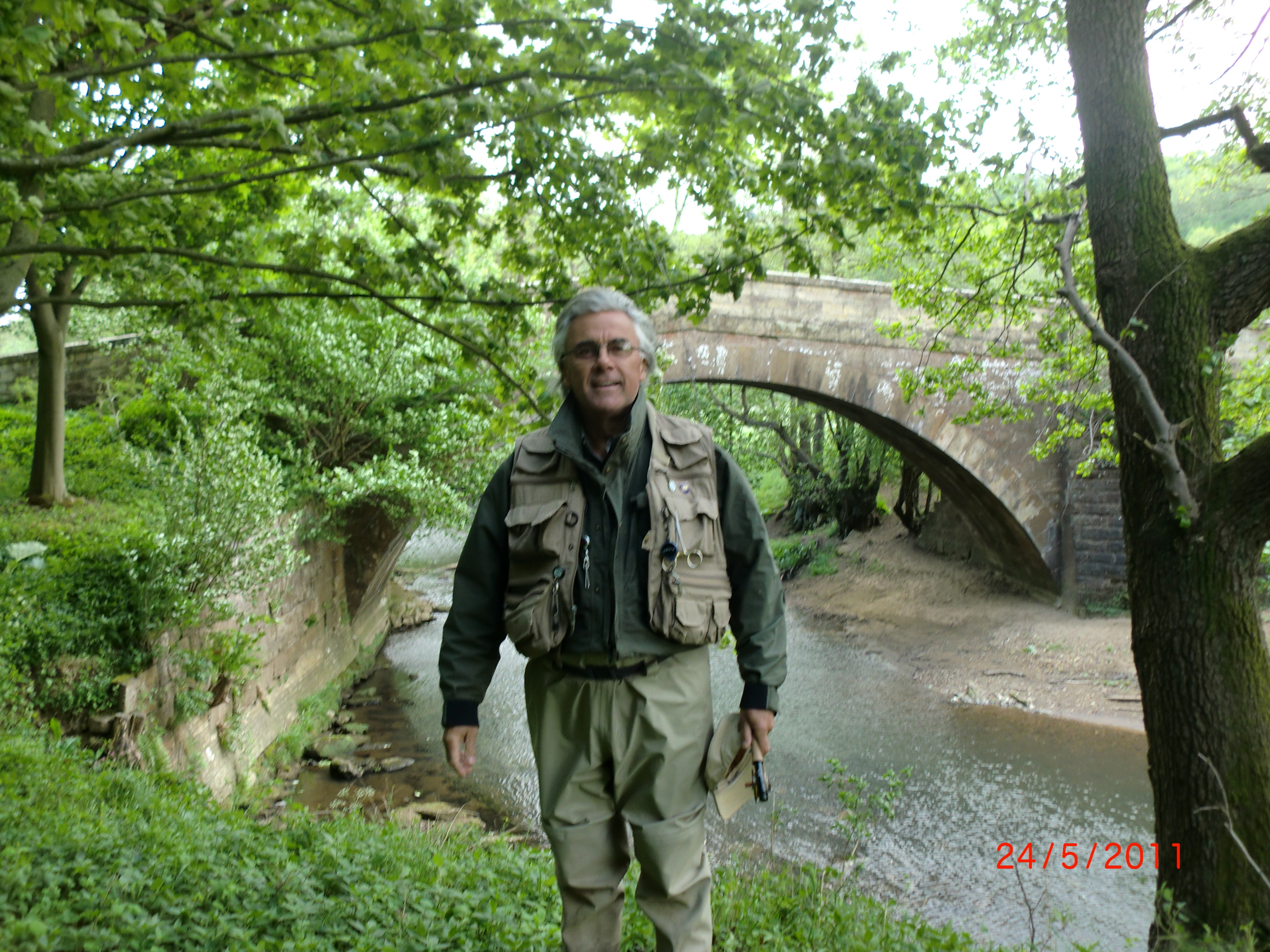
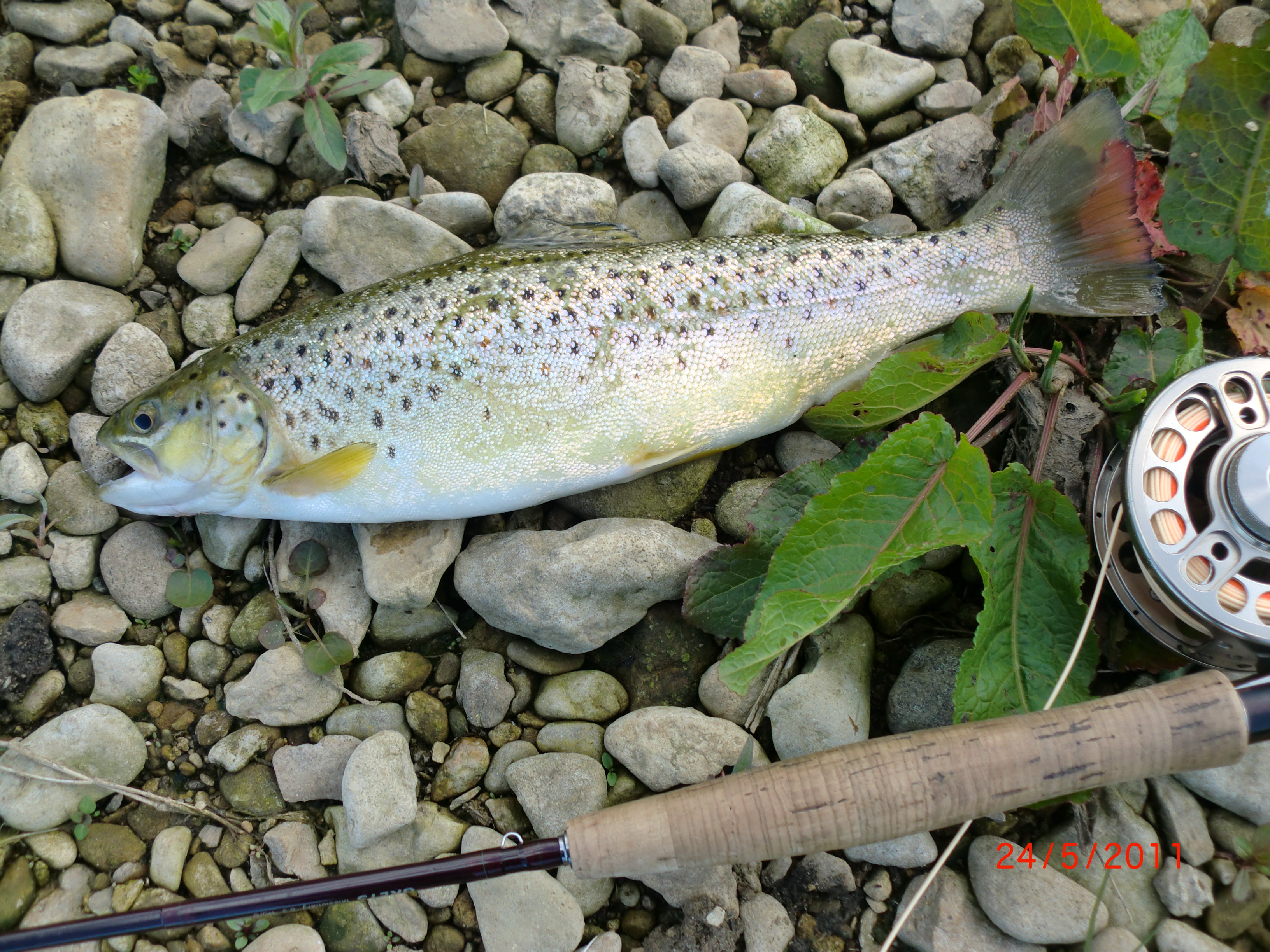
I leapfrogged just above to cast at a fish rising under an overhanging bush and connected….and after a strong fight, netted an escapee rainbow,


unsure whether to claim East Yorkshire as mine!

Lunch at the aptly named ‘Trout’ Inn at Wansford gave us the opportunity to relax and catch up. Nigel , who fishes less often than Paul and I, had a good morning and several fish, so was happy. After lunch, we switched ends and I restarted where Paul had been because fish were still feeding.

There was one fish which I could see easily and he came up regularly, and I, too, tried my box of flies to tempt him, but did not. Another, and on two occasions rose, sucked in my fly which went sub-surface, and I, carefully lifted into the fish, and the fly came gently out of its mouth, to an exasperated snort from yours truly. God….was this frustrating! So I moved upstream.

I saw another, quite good fish rising, and stood watching him, still unable to see to what. I was fascinated to see his broad shouldered back come up, and even from behind him, watch a wide mouth open and gently ingest what I am sure were emergers, for still there was nothing floating past. I flicked an Adams over him….nothing;  I changed to an elk hair caddis….no interest. Damn him! At least I had not spooked him, so I tied on a grey, gold ribbed, unweighted nymph and wet it so that it would sink slowly to the level where I guessed he was lying. One cast…nothing;   another, and a tempting lift,…and bang/bingo/ Got Him!  A quick and vicious fight followed which saw him jump out of the water three times, then career into and under the bank side foliage, but my trusty Loomis was up to pulling him out from under, and all the knots in my leader held, and sliding down into the water he was netted. A  fine East Yorkshire brownie, of maybe, 2lbs.

I only wanted one fish, I had told Brian, and that’s all I had, so from now the escapee could remain just that! A renegade!!

Oh!  And through the afternoon, the wind dropped!!

Dinner at The Wellington at Lund was excellent…try the haddock on Stornaway black pudding and cheese sauce, starter…its stunning!

After overnighting with Paul’s folk  (the lovely Josie and the talented  Richard) who live

near to where the Foston Beck rises in Kilham, we were off to fish it.

May 2011 – the Foston Beck

This turned out to be a dull day, and the rains came, too. We caught no fish, and saw very few, either. But at its higher reaches it is the prettiest stream and reminds me of the Ebble.


Members of the Foston Fishing Club are monitoring catches carefully, and the dreaded ‘otter’ word has come up (yet) again as catches have been so poor. The only fish I saw,  went screaming for cover when they spotted me/us, and I suspect low water levels have something to do with poor fishing.

Paul and Nigel were great company, and we will fish again soon.

My Yorkshire sweep now has two of the three Ridings netted, as well as South Yorkshire. It was John Aston who told me what a Riding is….do you know?

NORTH YORKSHIRE

Tags

, , , , ,

I have fished, successfully, the Wharfe and the Laver, and sometime before 2008, and unsuccessfully, the Lidd and the Swale, but I had written nothing about these visits, so felt I had to take on the challenge of North Yorkshire again. And in communicating and launching my blog on FlyForums  to fellow anglers, I was delighted to receive a response from the ‘nom de plume’ Grayson, who wrote – “What a lovely prospect- if you need any Yorkshire venues do email me- would be happy to offer you a day or two on some very good and very private river”. There followed an exchange, off Blog, and Grayson turned out to be, one John Aston,

and his notes promised – “I can offer you a day on the Rye.End of May is good – will need to be mid week as in mayfly time weekends are guest free. Very pretty- upper river throungh wooded valleys . lower is gentler but with ranunculus and very big wild fish. Upper river fish are smaller but more numerous and run to 1-8 +; lower river  browns are often 3+”

On the appointed day I left my hotel near Northallerton and drove to Helmsley via the lovely market town of Thirsk. [Note – does any other County have as many race courses as Yorkshire – Redcar, Ripon, York, Beverly, Wetherby, Thirsk, plus, plus…?], and then onto the North Yorkshire Moors National Park via Sutton Bank up a 25% incline, the A170, where advisories told all motorists and all drivers, not once, but many times via ugly illuminated digital signs which would not be out of place in Las Vegas, that 132 blockages have occurred in the past year, involving HGVs unable to cope with the steep slope, even presumably in lowest gear, in which state it was recommended that all vehicles were driven…all of which seems to me, to beg a rather obvious question of the Yorkshire Constabulary, n’est-ce pas, Mon Brave?  Notwithstanding all this, the views from near the top were truly splendid, and once prompted Wordsworth to proclaim them, “the best in England”

On driving into Helmsley, I was concerned to note the low level of the water in the river below the town bridge, easily viewed from my elevated seat in Tonka Too. And I met up with John who explained that flowing over limestone, his river disappeared into the windy pits (pot holes, to you and me!) in this location so much of it flows underground at this point.

May 2011 – the Rye

A super injunction has been taken out, and this prevents me from revealing where we fished. Neither does the description accorded to Lot 150 in this year’s WTT Auction, generously donated by John (as was Lot 213), reveal the ‘where’, and whilst it may be the same water, only the angler making the winning bid, and my goodself know where, but you, Dear Reader, will never know!

Let me describe the Rye.

Firstly, I had never heard or read about it.

In parts it has special protected status – SPA, SAC, SSSI, as it flows through the most glorious and varied countryside.

The River Rye rises just south of the Cleveland Hills, east of Osmotherley, and flows through Hawnby, Rievaulx, Helmsley, Nunnington, West and East Ness, Butterwick, Brawby, and Ryton, before joining the River Derwent near Malton.”(Wikipedia)

And also – “At source the River Rye and its tributaries run over Corallian limestone which outcrops on the hills surrounding the Vale of Pickering. In places this major aquifer is exposed in the river bed and water from the river is lost through swallow hole” as explained by John.

Arriving at our first venue in the heart of the Dale, I was struck by the calm and only the sound of birds broke the silence. We stood by an ancient stone bridge and discussed tactics.

Recent days had been punctuated by strong westerly winds and in the absence of fly life and with no fish rising, yet, John’s preferred nymphing set up at the start of the morning is New Zealand style, or as he describes it, “klink and dink”, with a weighted nymph trailing a bushy klinkhammer. As he admitted, in the wind in which we were fishing, the tangles were likely to be horrendous, and there were one or two, but, Boy did this rig work! John encouraged me to cast across current and upstream between overhanging branches of an alder, into a fast-ish run. He estimated the water was no more than eighteen inches deep there, and the first fish to come out was a grayling of 12”, the second a small brown trout,


and the third, a grayling of 1 lb. plus –


…and whilst a couple more trout came to net that morning, it was the grayling which surprised. Ten or so came to net, and at least four of them were well over the 1 lb mark, the largest nearer 2lb. Staggering for a small stream, and averaging much larger than in the Avon. And all on his rig!

In the afternoon, we moved downstream some five miles. I always aim to buy my host lunch on days like this, but it was impossible this day because John had brought a picnic of Yorkshire Pasty and Ampleforth Abbey Cider which were graciously consumed, before viewing this lower beat. We could have been in another county…..on another river. For here the river meanders through arable flat land with grassy banks,

over gravelly bottom with curious grey slates in parts, with long flowing weed. The bends in the river have created deep pools but the glides are more Hampshire in character and I am sure there were more fish under the weed than were visible. The wind was gusting but the temperature rose in increasing sunshine and the odd May, along with some olives produced spasmodic rises, and eagerly I switched to a dry fly. Jim, the Keeper, confirmed that just the week before, anglers were catching fish with imitations as May duns went floating by…funny how it’s always ’last week’!

I caught up with John and Jim who were chatting upstream, and learned that John had netted a couple of good fish on mayfly imitation from below the far bank where they were standing. John had to leave at five, so I wandered back downstream to see whether the fish that were rising on my way up were still doing so, but no. And on arriving where John caught I noted a sipping rise across the stream so tied on a spent May, and hooked him with my second cast. He was a doughty fighter and headed into the weed and just as I thought he was lost, he slid through and into my net…about 1 ½ lbs.

Post script –

John….

My  thanks for a super day. You were most generous with your time, your knowledge, lunch, and your passion for angling, and the Yorkshire countryside is obvious. I have bought your book (‘A Dream of Jewelled Fishes’ published by Aurum), and I now understand your ‘Nom de Plume’!

ps 2…I have had many invitations to be LinkedIn, but have declined all of them. I do not ‘tweet’ and am not a ‘twit(terer)’, nor am I on Facebook. But….I connected with John on a Forum, so in one sense, I am a Social Networker, as must you be for reading me, I presume. Good for us…and for me at 63, there is hope….I think!

SHROPSHIRE

Tags

, , , ,

I have introduced David Thompson already in my scribblings…

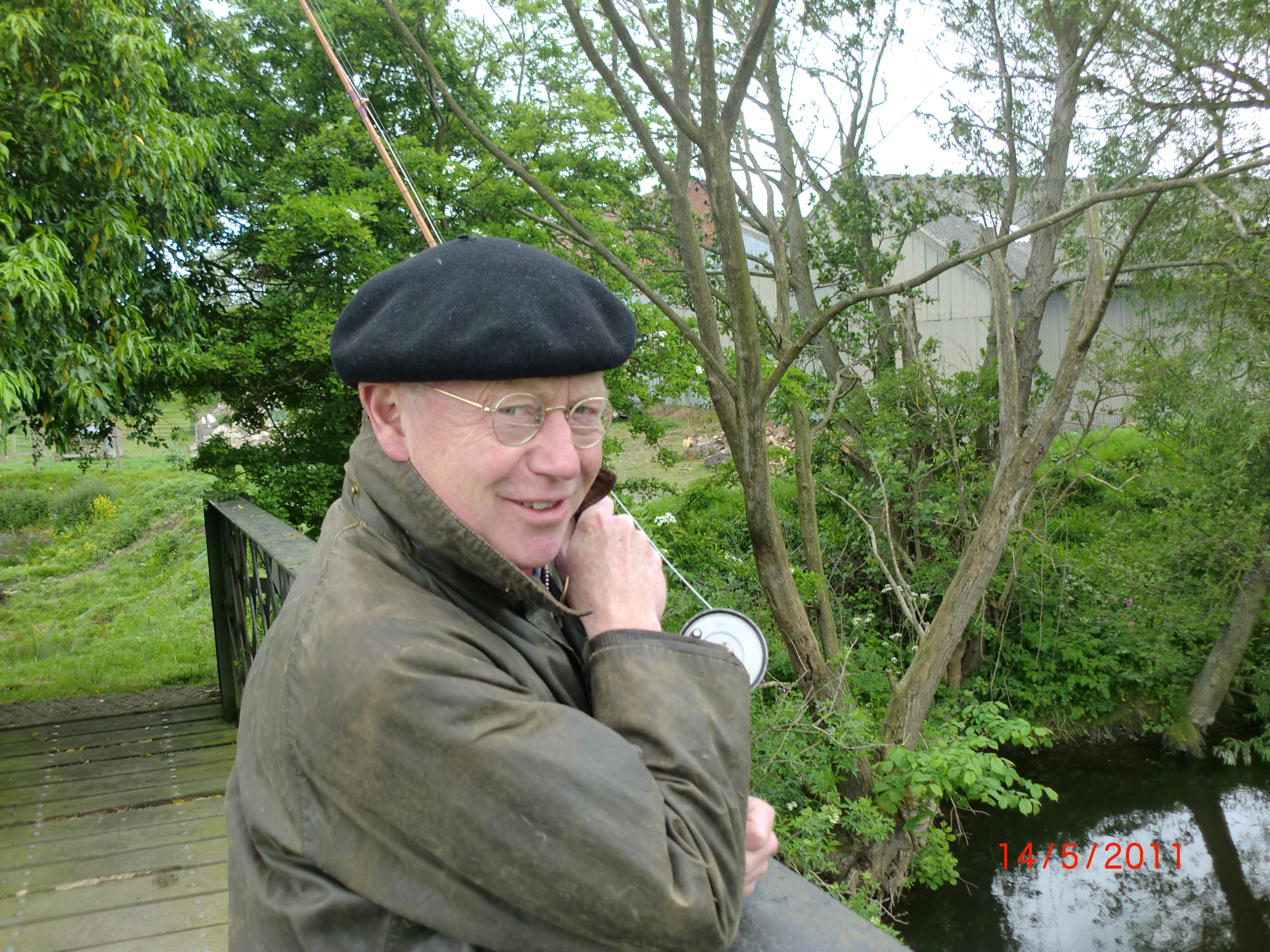
he, a fisher whose garb is a blue boiler suit and beret, is commercial and an intellect and, a Bon Viveur and with an impeccable cellar (the La Lagune 1982 was delicious at dinner….it needs drinking he insisted, so we did), and so much more. Mine is always the pleasure, for our conversation is always wide and flowing.

You will know that I am indebted to him for capturing Herefordshire in 2010, and in preparing for another attempt at Salop, he must be excited, and I hereby reveal his pledge by letter to me, to “fish twice as much this year as last”…Good Man!

It is mid May, and perfidious Albion has been bereft of rain. Until last week, that is, when the West Midlands was blessed with three inches of it. This is not enough though. Some crops are developing earlier than they should in the unusual heat, and most will be well down in quantity or volume, and prices will increase. The madness that is supermarket promotional strategy should contain prices in store, though, to an extent. The rain made me concerned for our fishing this weekend, but a sighting of the first stream en route to Shropshire suggested a tinge of colour, but nothing to worry about…but water levels were depressingly low. This rain merely dampened the soil and no benefits have been derived. We must have more soon.

My day started in London where the skies were clear, blue and the sun shone. The drive to the Midlands was the same, but by mid morning the winds were up, cloud cover increased, and there was rain in the air. A walk along the banks of the Onny at Onibury,

where the Midland Fly Fishers rent their fishing from the Magnus Alcroft Estate, revealed waters which I described as ‘sterile’. In other words, I saw not one rise, nor any fish move, and my sense of anxiety rose as I looked at another Shropshire ‘blank’. And nymphing the pockets produced no interest either, and David quickly decided that we should move to –

May 2011 – the Byne Brook

A picnic lunch of smoked salmon sandwich, prosciutto slices and Mareka’s most delicious puff pastry tart of cherry tomatoes and asparagus washed down with NZ Sauvignon Blanc calmed the morning nerves, whilst excitement grew, watching a couple small fish slurping (maybe that was me!) medium olives.

You go upstream” David declared, “and I will go downstream

You can go up a long way…beyond where the river bifurcates”, he advised….I love words!

The wooded meters were shallow and whilst there may have been some fish lurking there, the odd, speculative cast of an Adams delivered nothing. I clambered over a fallen branch and spooked two small chaps and knew there was life, though.

A bend in the stream ahead had etched a deep pool just below

where fast waters rushed over gravelly shallows. In the sunshine, some duns were being eagerly snatched by at least two fish, and switching to a full white hackled ‘something’ which was as close as I could imitate what I saw….my Shropshire fish was taken ( ¾ lbs) as was another.

I fished upwards in serenity, the pressure off, and cast beautifully through the winds, to fish rising in the warm air, and caught another five on elk hair caddis.

My method was to cast where I saw rises, and if successful, move on, expecting that the hooked fish would have upset others in the pool. Remember, this is a tiny stream. Most fish were taken at the head of each pool where the fast waters entering it,

were delivering a steady stream of duns to these greedy chaps.

Then, it rained…and it did, in spades.

But David revealed that the last stocking was done some ten years ago, so my catch of seven fish were wild.

We chatted to a farmer before leaving….he reported seeing otters downstream. This was the second occasion  in just a couple of weeks when the otter has featured in bankside discussions. They are indiginous to our streams, but a menace to our stock of wild fish. And my ‘mission’ seems to be revealing that wild fish are plentiful in the less accessible and smaller streams, and our heritage in this respect, must be protected.

RUTLAND

Tags

, , , ,

Is Rutland a county?

Well, it was, then it wasn’t, and now it is!

That’s democracy for you and an “up yours” to Westminster (see Musings 10.5)

But it is a VERY small county….and with a trout stream?

In 2010, that I spotted that, one Andrew Flitcroft offered a day on his beat on his Rutland stream to the successful bidder for a lot in the WTT Annual Auction, that I realised there was such an opportunity, and probably the only one. My own bids came to nought that year, for I had then not heard of ‘sniping’!

But I wrote to Andrew, anyway, at his office in Peterborough and he kindly agreed to host my visit the following year, this one, and I had offered to send the WTT what I had bid, as a thank you, if he would be so kind to accommodate me.

May 2011 – the Gwash

The ‘OK Diner’ on the A1 just upstream (north) of Stamford was our meeting place.

And so we met. Don’t you find that on meeting, you know instantly that you will like someone, and that you will enjoy their company…and so it was at 10 am that day, and so it proved to be the case. I suppose I am motivated by enthusiasm and energy and commitment, and Andrew has these qualities in spades.

He has a long lease on a piece of water, in one place adjacent to, but in the main downstream of the Gwash Fishing Club’s water, and it is fed by pipes at the base of the dam at Rutland Water ensuring a steady flow of cold water which remains so, constantly through the year, delivering a consistency to his stream.

When Andrew first walked the mile or so of water he now has, what he saw  must have excited him as much as it daunted him. He was greeted by fallen timber, heavy overgrowth, little light, sparse vegetation, slow moving water, deep silted margins, un-protected banks where grazing sheep or cattle could add to the woes of this water…but he saw wild brown trout, too. And it could not have been fished for years, and he saw an opportunity to create something special. Over the winter months of the past few years, he and a small number of friends have begun the recreation of this place.


The stream has distinct sections. The banks on the upper reaches are clearer, running as they do through meadow and space owned by a school for special needs children, but the fish are easily spooked. The lower beat is unworked and still unfishable, massive overgrowth, still to be cleared….but the middle section…!?

This is a meandering ‘wonderland’ of difference, because you never know what to expect around the next bend in this pretty stream.

It could be a long pool, a short run, a flourish through a groin, or a deflector, and surrounded by wild flowers, and enough cover for fish to be confident, and enough bank side foliage for the angler to have to concentrate.

The fish are wary though, and Andrew, reminding me of the need for stealth, often had me be casting from a way back, and the roll cast was often required, too, in the tighter lies. Weed growth is coming on, but to Andrew’s disappointment, lowish water has left some weed covered by algae, and the brightness of weed growth will not be revealed until rainfall flushes the algae away.

The fish are quick and several were missed by ‘yours truly’ but an optimist, by nature, Andrew assured me there many more to come, and so there were, and a couple came to net early on my new favourite fly, #22 Adams, along with a few more misses!

The work that Andrew’s small syndicate has undertaken uses the materials which have revealed the stream as it is today, so that except for the odd piece of angle iron anchoring a flow deflector,

what you see comes from the river side and looks completely natural rather than man made. Plenty of scouring runs have been created, but the silt remains in the margins and will, until washed, or blown away.

Then, his stream will look resplendent. However, what is there today is a minor miracle and has been achieved in only five years of dedication. It is a treasure……and is Rutland’s only trout stream.