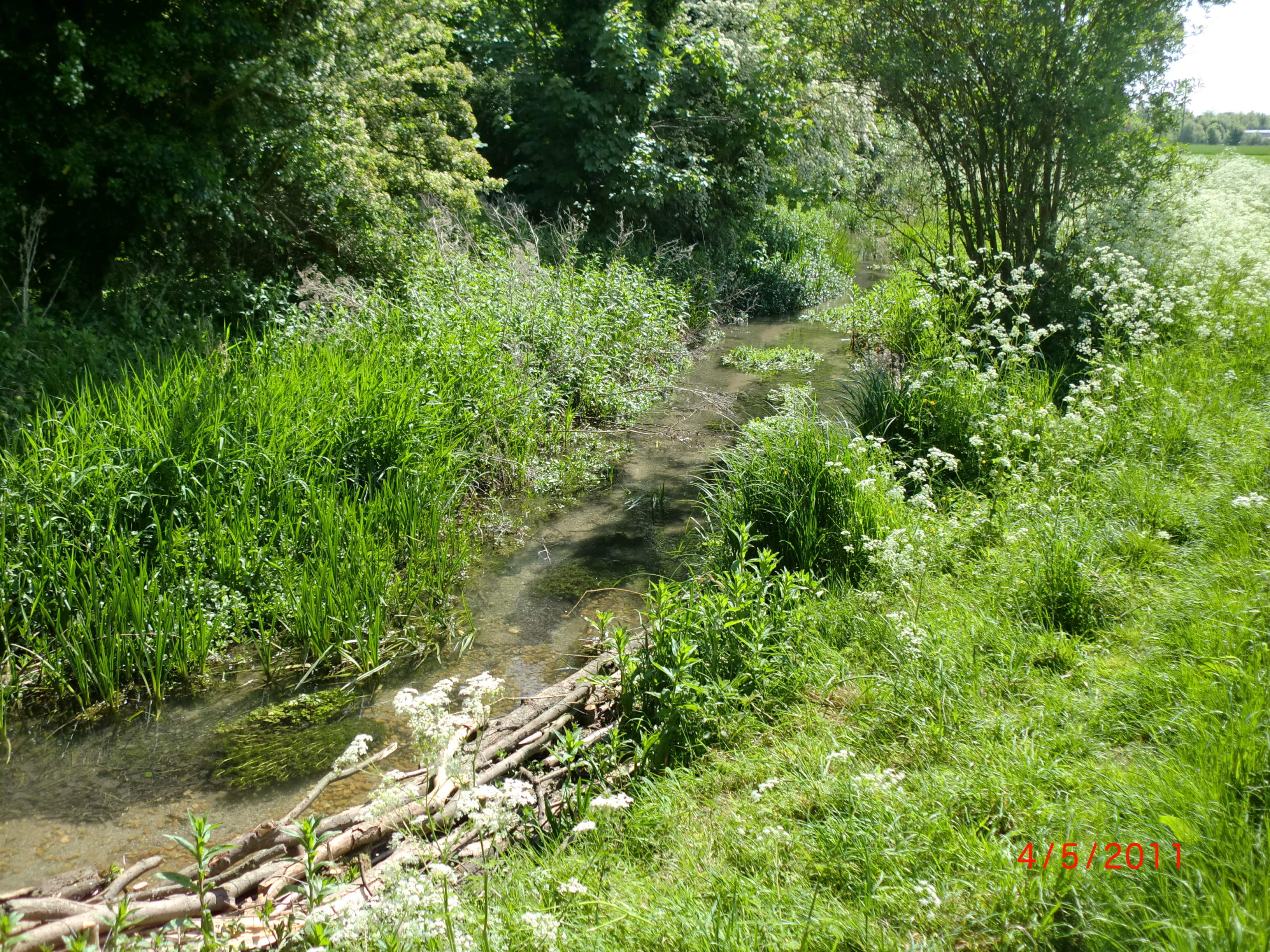
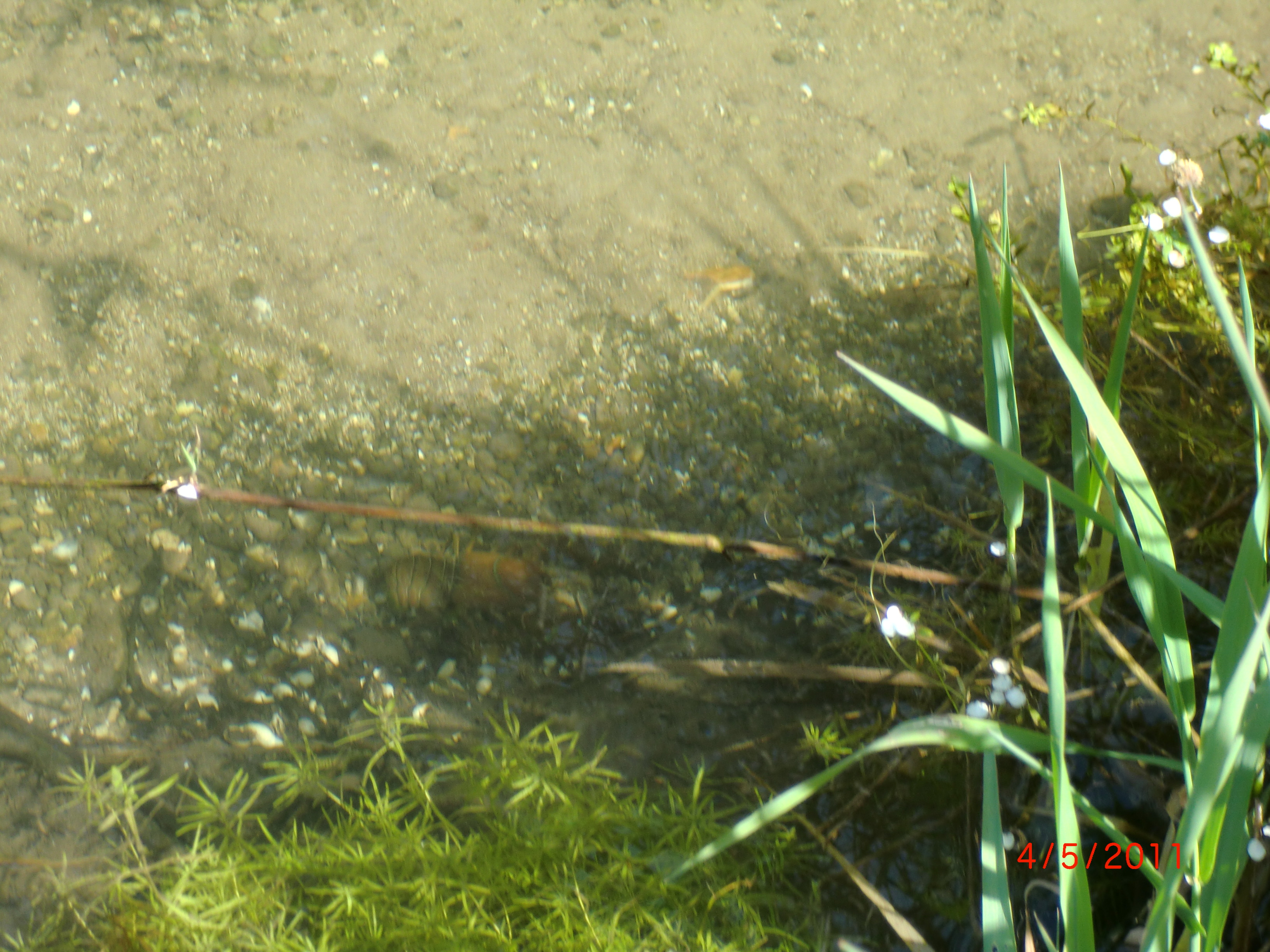
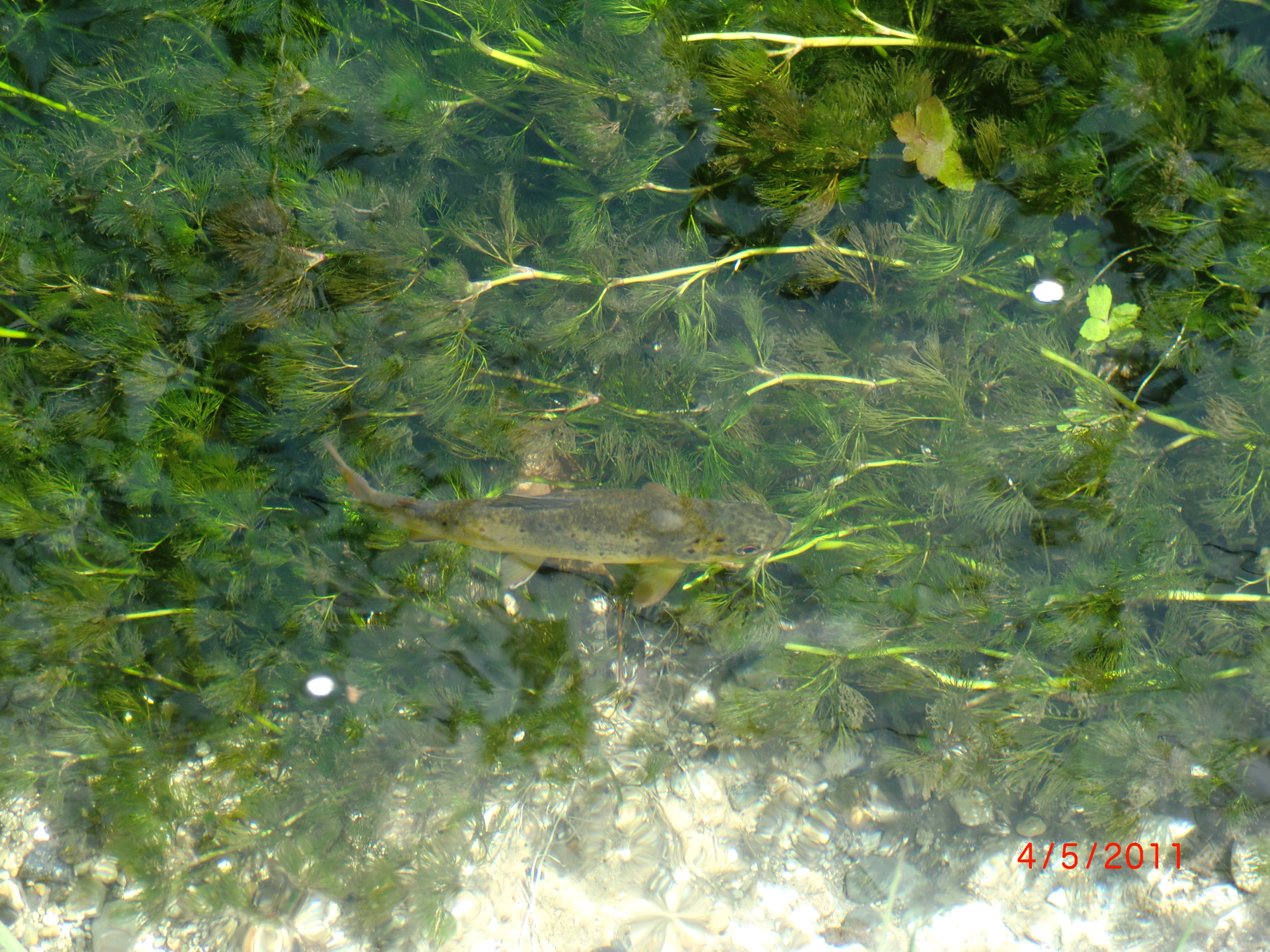
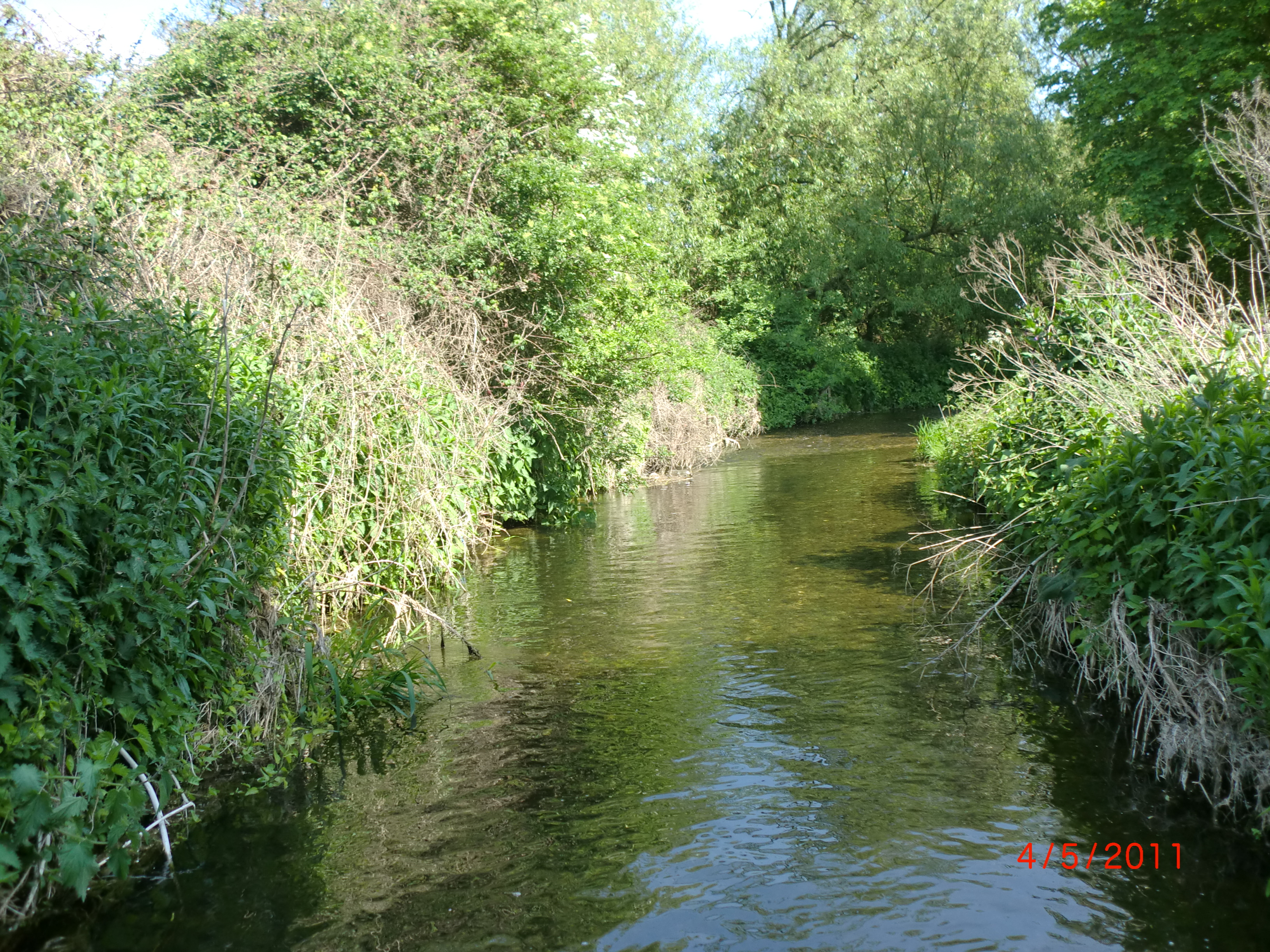
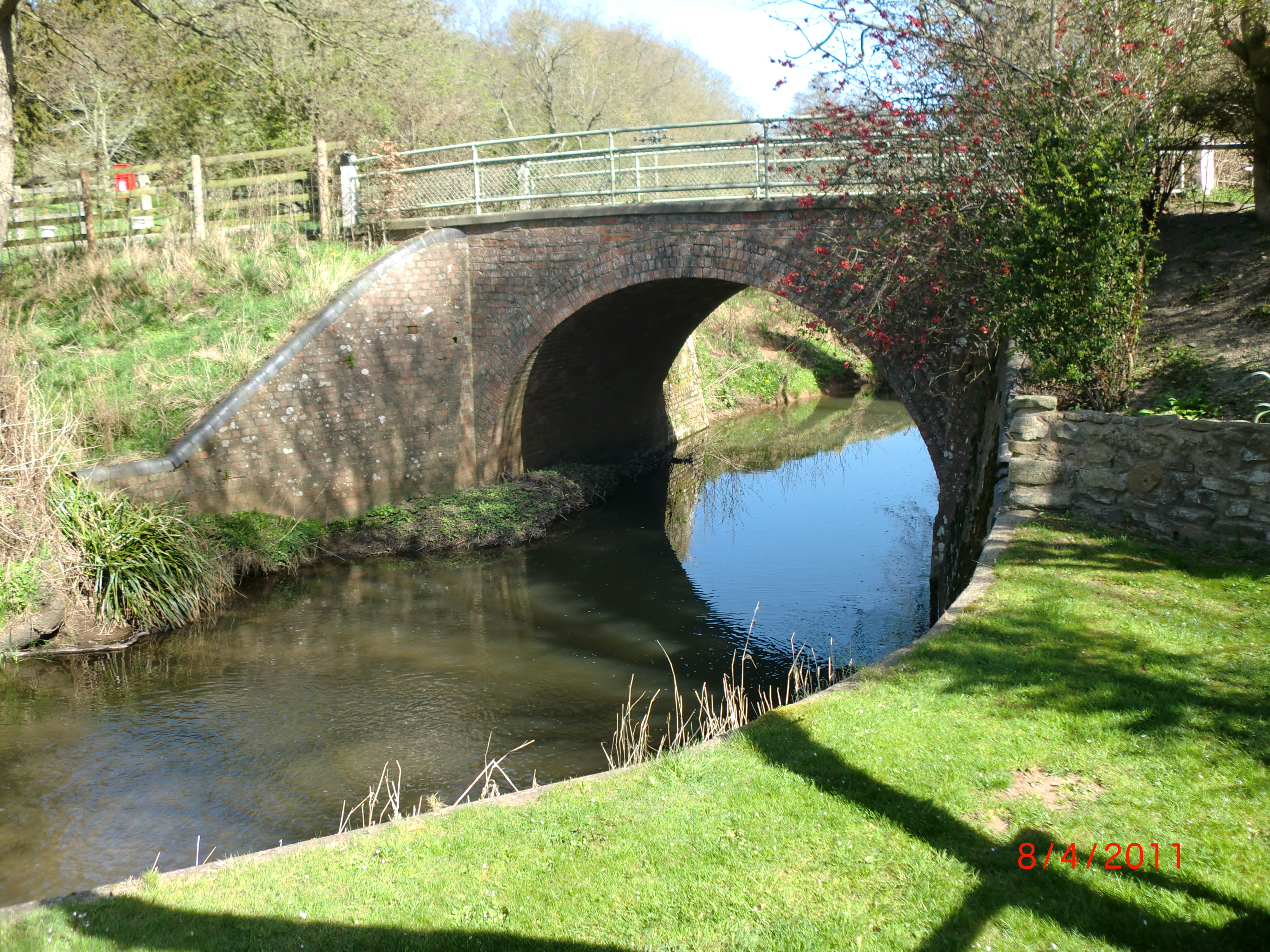
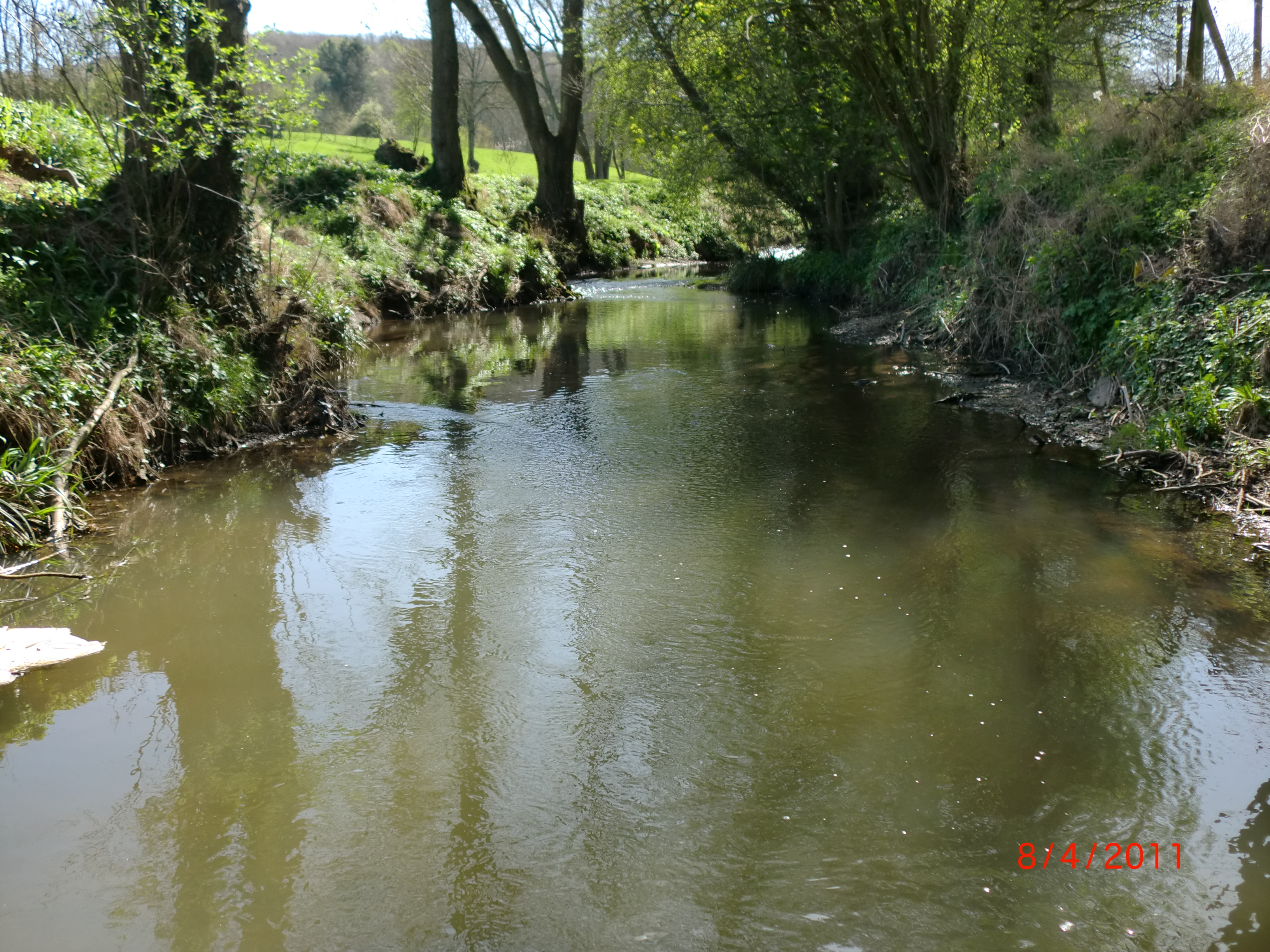
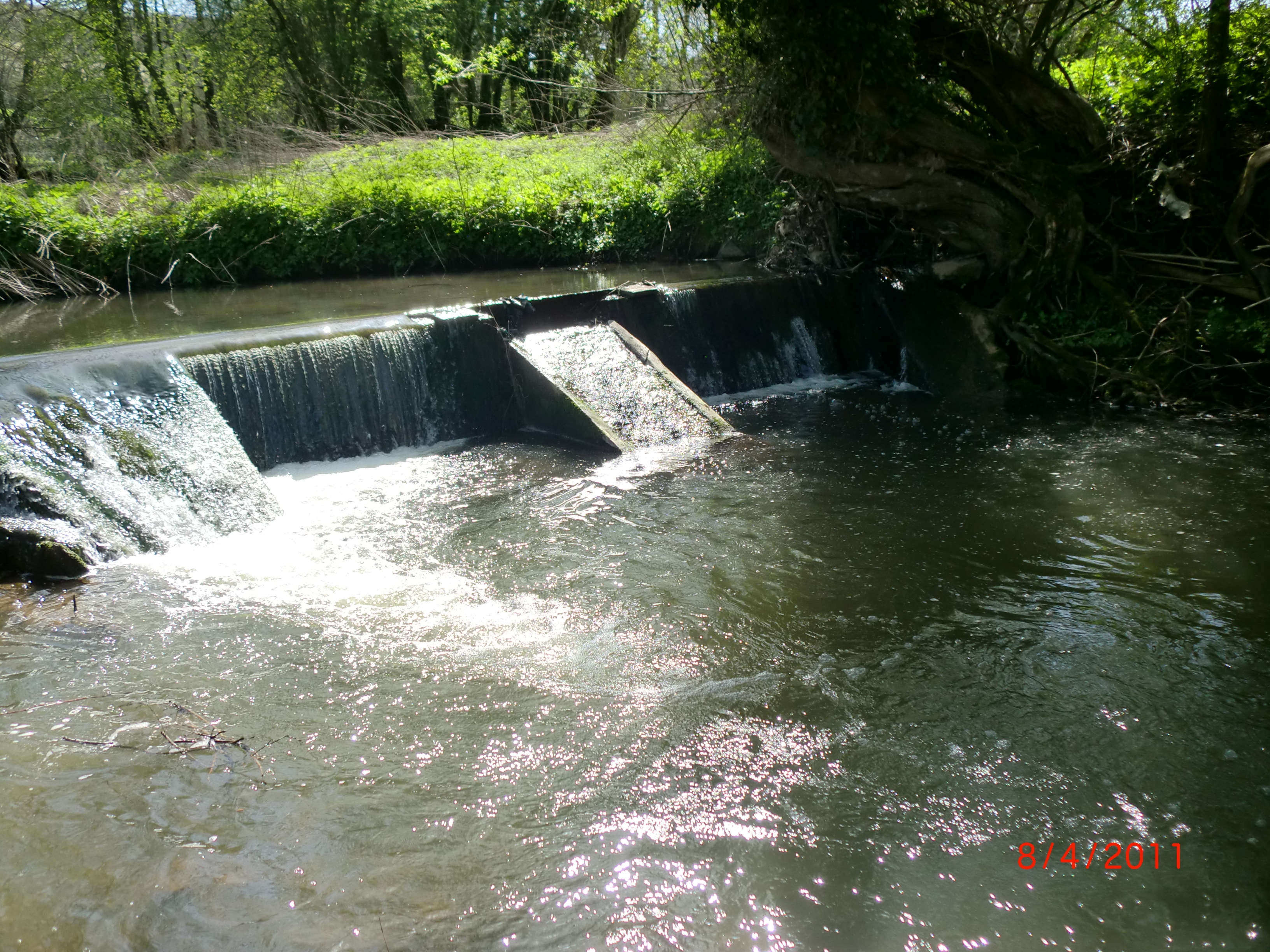
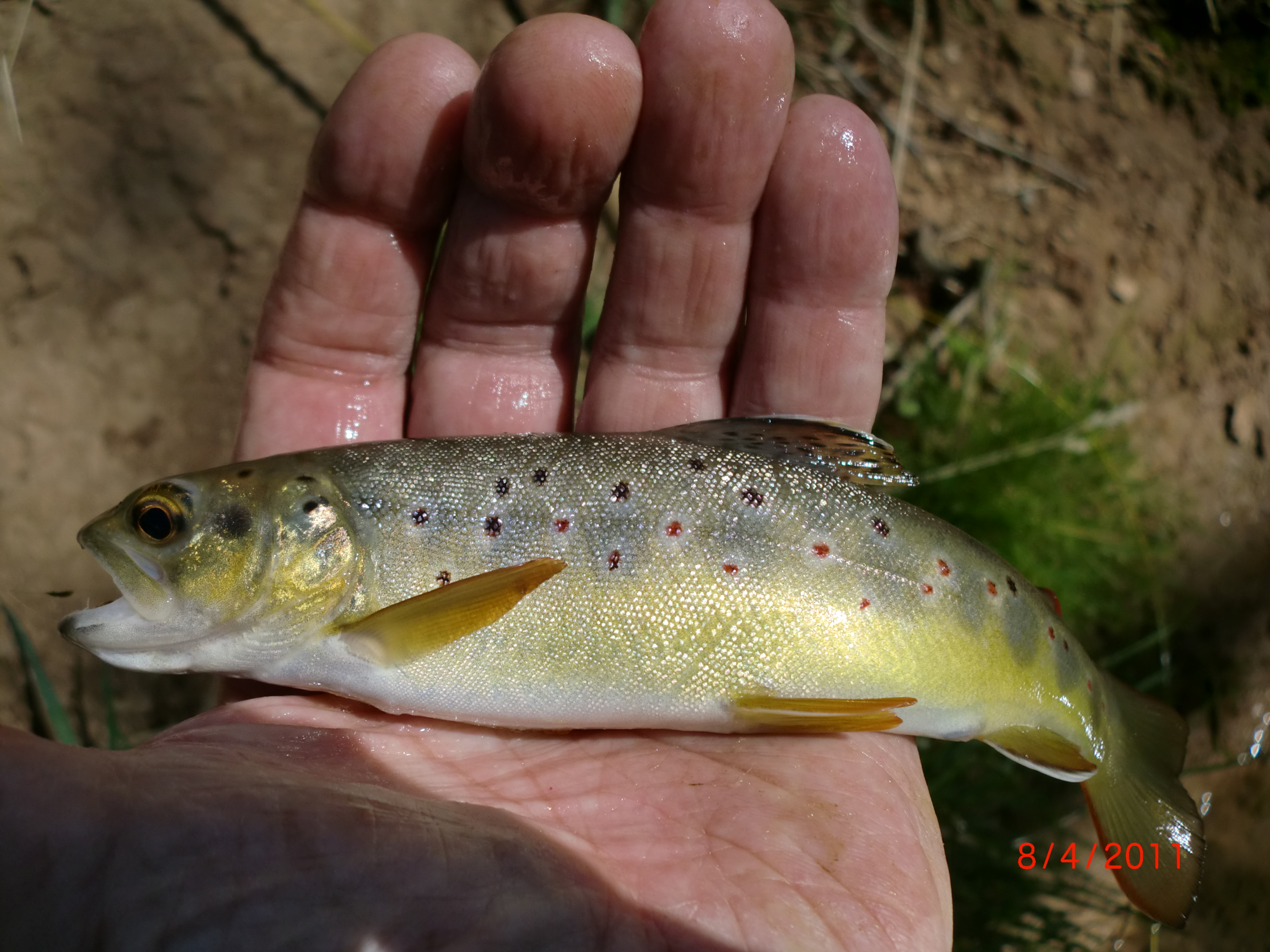
SUFFOLK

Tags

, ,

Google ‘trout rivers in Suffolk’….go on, do it!

Not much help from this search engine, eh?! Or most of the others, so patience and persistence was called for.

From my ‘where to’ sites, I chanced upon UKFishersOnline, and made a speculative call to the telephone number given for a ‘trout stretch’ on a river near Bury St Edmunds. I was delighted to talk to John Anderson who listened interestedly as I described my ‘mission’ and he volunteered to help me. I was to call him nearer the time of my planned visit.

As it happened I called him from Amsterdam whilst visiting Son and D-i-L #2, and, GS 1&4.

A lady answered – “Oh, you’re the fisherman!”  she commented….. I liked that!

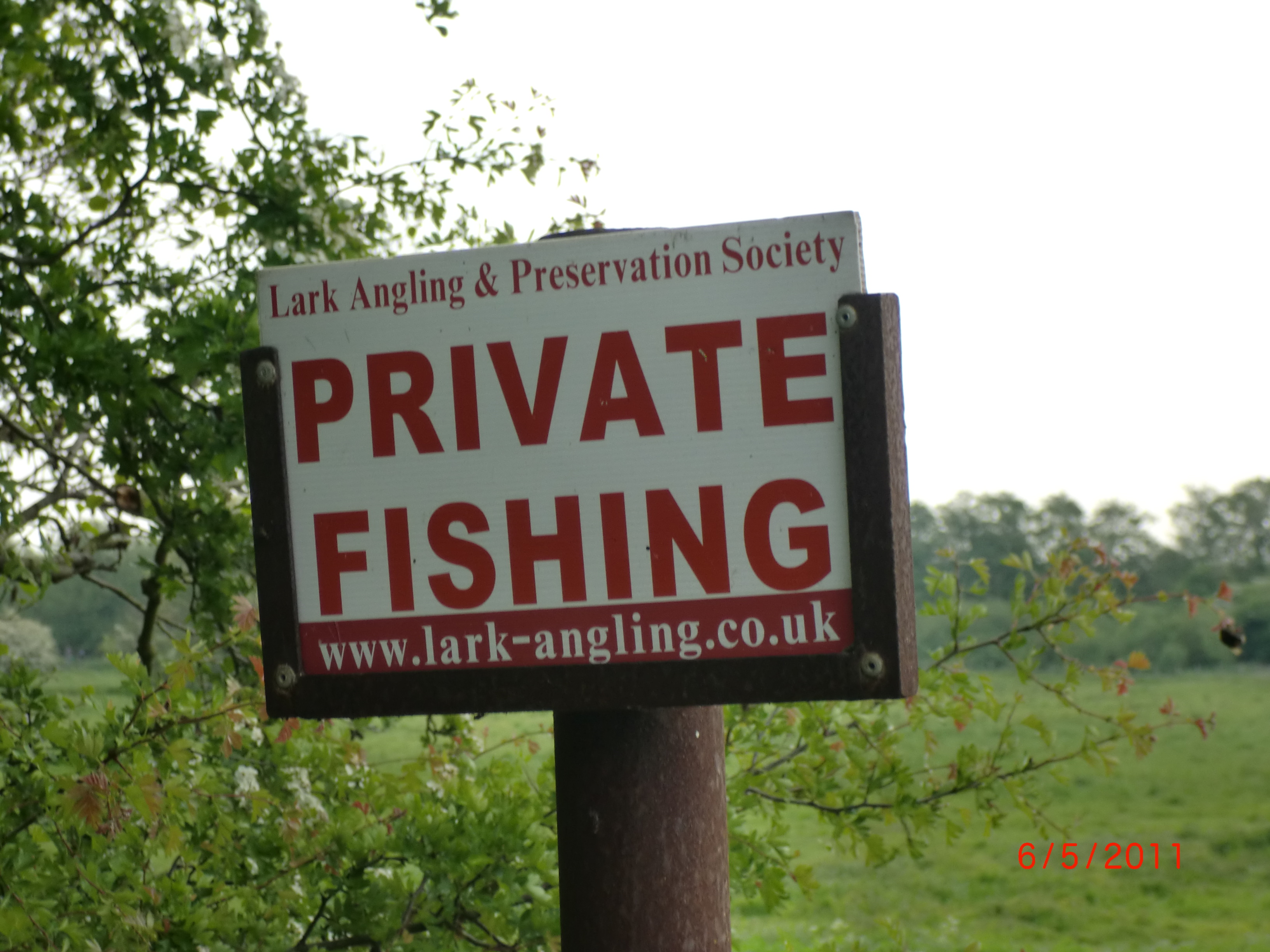
Everything was quickly arranged after talking to John, and he mailed me a map to show outside which Red Lion pub, we should meet, and from which map I determined that I was to fish the water of the Lark Angling & Preservation Society.

I had found their website, but this informed me that no trout water memberships were available, nor day tickets, so my ‘fortune favours the bold’ approach to John was lucky, and his response was generous (a word which features in this blog several times!)

The site informed me that  –

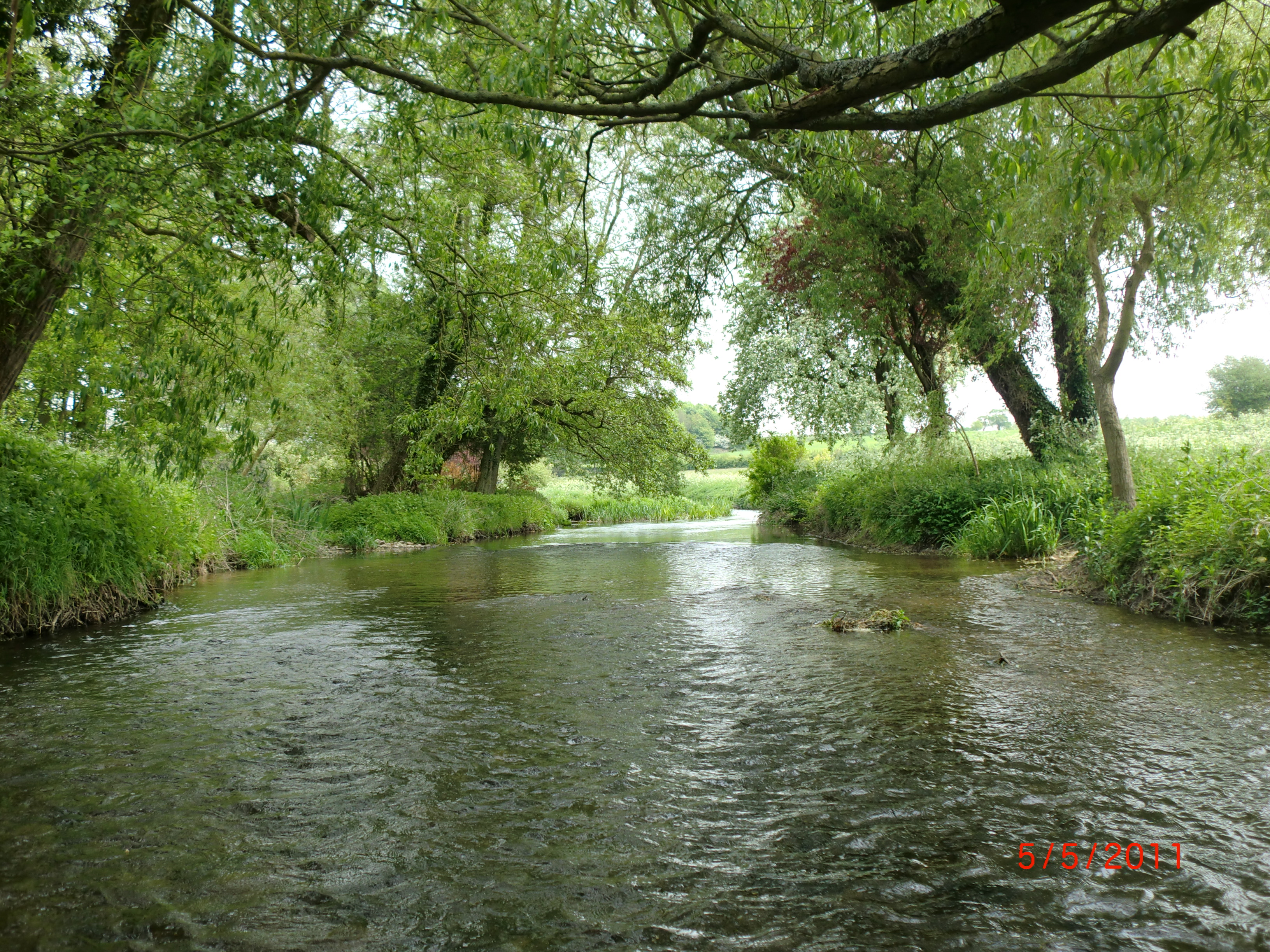
“The River Lark rises south of Bury St. Edmunds and flows north-west across Suffolk and into Cambridgeshire, where it joins the Great Ouse near Prickwillow.  In its upper and middle reaches the Lark is a lowland chalk stream….”

and

“The Society also has some 6 miles of Fly Fishing water available on the River Lark between Bury St Edmunds & Mildenhall Suffolk

This is a great Fly Fishing experience with Wild Brown Trout in excess of 4lbs and stocked Brown Trout up to 6lbs in Weight”

May 2011 – the Lark

I travelled to Bury from North Norfolk and enjoyed a lovely drive on a beautiful Spring morning with the sun streaming through the coniferous woodlands south of Swafham and the hard wood area of Thetford. The Forestry Commission do a marvellous job in Thetford and the Stag at Lynford is rather special.

John is a retired GP,

so it was unlikely that I would be able to read the content of his hand written joining instructions to me, but  I did and we met at the prescribed time!

A short run to the river and an interesting chat about LAPS followed,

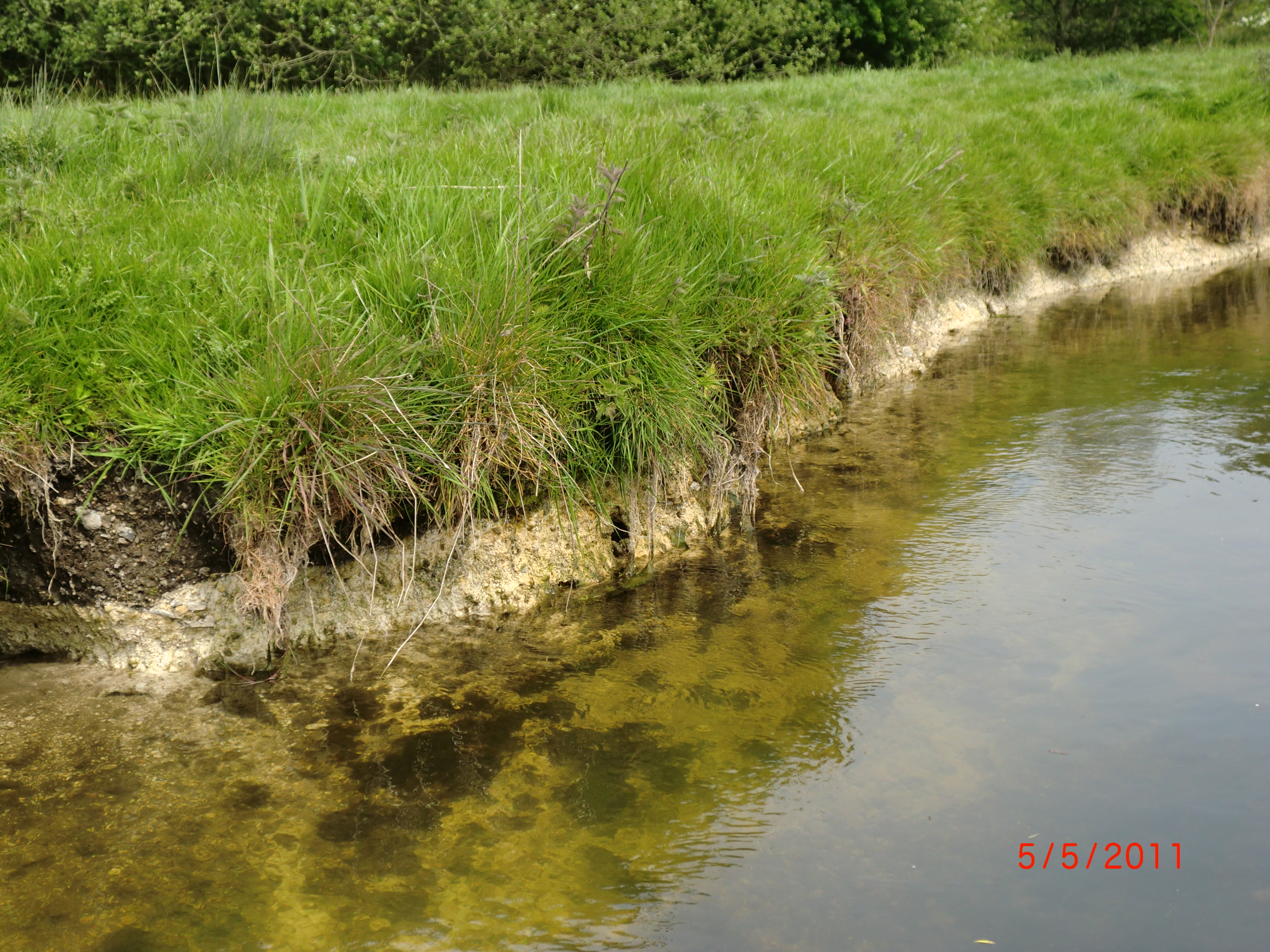
including the comment that ‘not many fish had been taken so far this season’. But, John kindly walked the bank and indicated some likely ‘where’s’, but on a sunny but windy morning, not only was casting difficult into runs between reeds which were already narrowing the flow, inside quite heavily silted bank sides, but there seemed to be little fly life, too. John noted that on a gravel pit nearby, there were six cormorants!

We saw no fish move that morning, (except, for maybe one chub) and I concluded, that in the bright light, fish were in the reedy margins, and my visit’ highlights were confined to good conversation with John, and his kind invitation to return, later in the season.

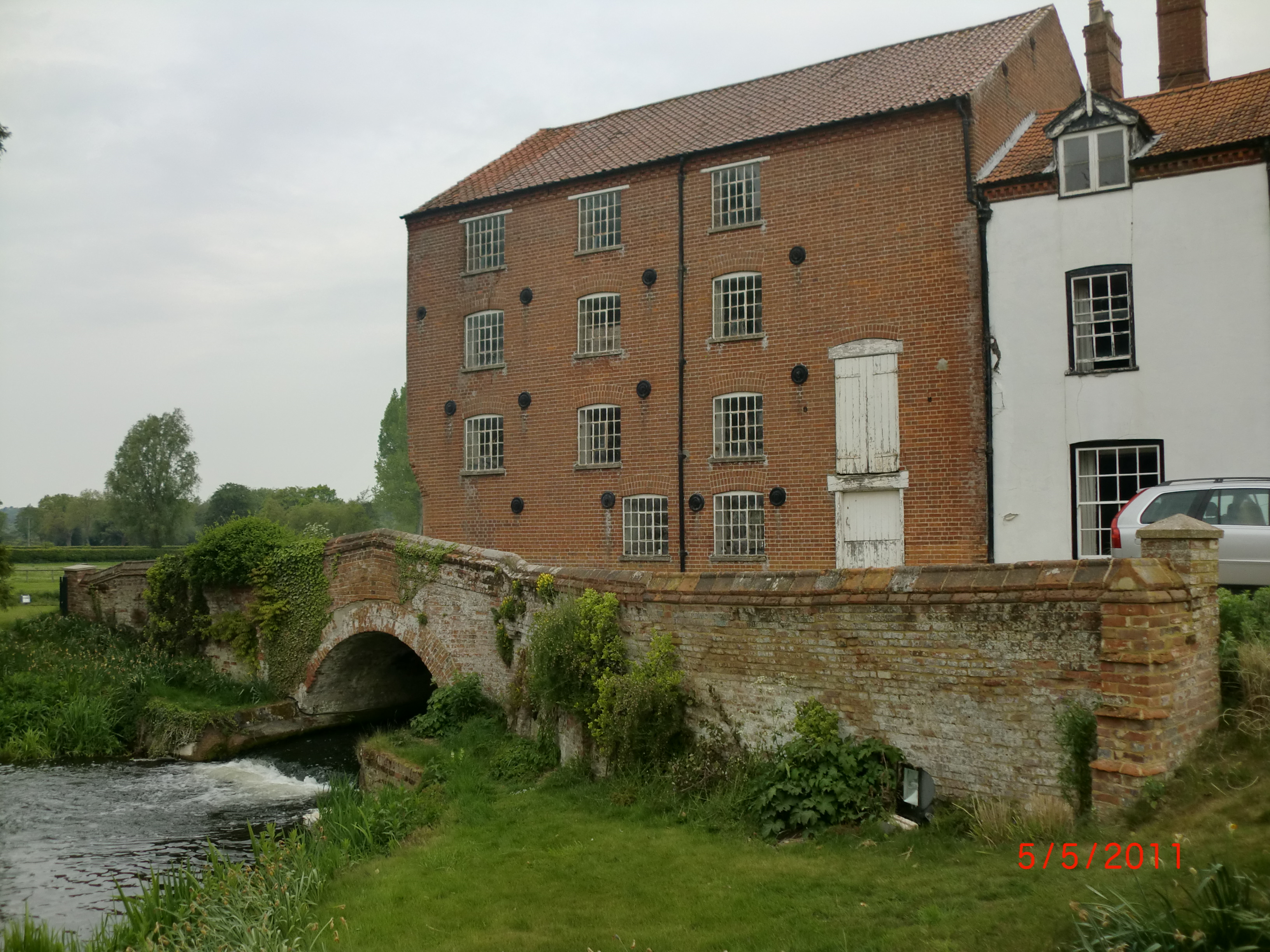
Eager to see more of the LAPS water, I ventured upstream, and on the road bridge just shy of Lackford, I spooked a small fish, which motivates and means I must return!

Until September, John….

NORFOLK

Tags

, , , , , , , , , , , , ,

I was perusing some books locked away unseen in my storage unit, and I found a copy of ‘Trout in Norfolk’ by E. C. Keith, which was published in 1936. It is in great condition, and has the pristine look of a ‘first edition’. I know not when I procured it, or how, but maybe I was given it. It does not have my personal library stamp in it, either, so who knows? It talks extensively about the Wensum, Yare, Nar, Bure, Wissey, Whitewater, and, of course, the Ouse. It discusses through a series of anecdotes, the fishing quality of 75 years ago, and does so with an honesty which belies the myths of some who believe it was always better, then, in the past! It talks as fondly of roach, as it does of trout.

I loved the question posed on p154 – “Why is it that fishermen are so easily tempted by a tackle maker’s shop?” Life does not change! I can never exit a store without purchasing some leader, or some flies, or a book…in fact I think it would be unacceptable, and rather rude, not to.

Norfolk has a seam of chalk running through it,

and I was intrigued to read, also, excerpts from the Rangeley-Wilson compendium, ‘Chalkstream…Fishing the Perfect River’., which offers ideas about where, as well.

Separately, I would add that his is a really good book, (also anecdotal in content) published by Medlar (who also publish ‘Waterlog’) and whilst expert and knowledgeable, Charles is also President of the WTT and he cares, but he writes convincingly and worryingly in its Introduction, of the true extent of just how much river qualities have changed through man’s interventions in the latter years of the last century. It is a thought provoking read and salutary in its warnings.

In the event, my search for Norfolk opportunity was conducted via the typical ‘where to’ websites, and both ‘fishandfly’ and ‘flyfishingvenues’ referred to Bintry Mill, a fishery visited by John Wilson (can someone stop him laughing?) and John Bailey, too, in those much repeated series on ‘Discovery Shed’. So I already have a picture of the possible.

I uncovered the name of Terry Lawton, and wrote to him describing my mission, and asked for his advice, as I knew that the Wensum has trout, but had discovered on the Salmon & Trout Association website that members could access water on the Bure at the National Trust’s Bickling Hall property, but I wondered where a ‘local’ would suggest I try.

I did not know until he responded that he is Secretary to Bintry Mill Trout Fishery, and he (“you have set yourself an interesting challenge”) kindly invited me to be his guest on his water.

May 2011 – the Wensum (the “Test of Norfolk”)

Meandering through Norfolk’s country lanes from my overnight in Dereham, I discovered that whilst SatNav helps, to those of us from a pre-techno era, instinct normally suffices, and did. And besides which, technology makes us lazy. Just one glimpse of a corner of the roof of the Mill, and from a quarter of a mile away, and I knew I was there

…not that I thought I would never find it…but satellite pictures from Google do not necessarily resemble the grounded reality!

Parking Tonka Too, I was approached by a friendly chap, whose opening was – “you didn’t get that tan in this country”…too true, but being outdoors in this remarkable April makes it difficult to remain pastel, no matter what you do. He was Paul Seaman, whose family has owned the Mill and its environs since 1906. His space is SSSI and SPA designated…and is truly special. Knowing who I was to meet, he gave me a short and proud tour and history lesson which confirmed that this reach of the Wensum flowed over the northernmost seam of chalk which lies diagonally across Anglia, and cuts, by him, into the hillside by his farm to expose more nesting opportunities, reveal crustacean remains in the chalk which were plain to see. His stretch of the river is leased to the 50 members of the Bintry Mill Fishing Club, and has the steepest gradient on the Wensum producing flows which make it an ideal trout habitat. Below the mill race the river twists and turns through woodland

and meadow, over tractor track and around fallen branches, has riffle and gravelly runs, pockets and glides, and contains wild and stocked fish. And the Club also has a beat lower down at Yarrow Farm, which is more Wylye like.

Terry was an inspirational host. Passionate about his fishery, determined that it is managed carefully, alert to the wildlife within it, and protective of his head of wild fish .It is always interesting to fish with an angler who readily identifies fly life, as he does, and he has put this keen eye to good use in writings, and I notice that his latest book, “The Upstream Wet Fly” is reviewed in the June edition of Trout & Salmon.

His observant nature prompted some interesting conversation. Steering me toward a rising fish, soon after our mid-morning arrival, I cast an Adams which prompted a splashing take. “Sometimes”, he declared,” we endow fish with human characteristics…and the noise (of the splash) probably frightens them, which is why they don’t rise again for a while”…umm!

“And why expend so much energy and not take the fly?” I responded. Maybe they know instinctively that the Mays are coming and their annual banquet bonanza is imminent!!

Some fish moved when the winds abated and the air temperature rose. And they stopped as the winds returned, but not before I tempted a lovely eight inch wild fish

on a #22 Adams, then a fry, too small to know better, and a stocked fish of a couple of pounds,

to be able to ‘net’ Norfolk.

We fished the lower beat in the afternoon and I lost a larger (stocked?) fish, and Terry caught a small wild fish from no more than twelve feet away from where I was casting, no doubt belying another myth!

A memorable day….thank you, Terry.

…….Afterwards, I drove to Brancaster, to the country home of Tim and Liz How, for the June meeting of the Reed Dining Club. It was a splendid evening, and in their letter of thanks to Tim and Liz, from two members there were the following paragraphs, which might amuse!

Post script 1 – (WLP)…. “It was a great shame to have missed Antonio Mair this morning as he left so early to do his extraordinary (fishing)  journey from Brancaster Staithe to Bury St. Edmunds to Stamford Lincs.  I did hear one of the girls say that it was a frightening sight at 7.30 a.m. seeing “The Great Permatan with the Grey Mullet” in a state of undress, floundering from bedroom to bathroom.  And just a little cod-piece covering his tiny prawn  (or is it a tadpole ?) and his wide bream …….   Even worse I had fixed it with Liz that he would have some kippers for breakfast…… and I was perched nearby with a camera to record the moment when Battersea and Brancaster were as one, but he skated off early, carping under his breath as he dabbed at the make up around his eyes ….

Well that’s enough of all that old pollocks !”

Post script 2 – (MP)…. “Good luck Tony on your fishing challenge …you seem to be moving on from plaice to plaice with a real sense of porpoise”

CAMBRIDGESHIRE

Tags

, , , , , , ,

Tim Jacklin is a stalwart of the Wild Trout Trust, he is on the Executive Council, is Projects Coordinator, a Conservation Officer, and Editor of ‘Salmo Trutta’…..and, the WTT   website….that’s all!  A complete enthusiast, and a man I would like to meet, both Rob Hartley (see ‘Staffordshire’) and Mark Owen (see ‘Leicestershire’) suggested I contact him for thoughts on ‘where’, in those counties not known for their trout streams…

So I did, and he replied –

“I had heard of your quest from Mark Owen – quite an odyssey you are   undertaking!”

and with ideas for several such counties, but as far as Cambridge is concerned, he put me in touch with Rob Mungovan, a conservationist and another ‘stalwart’ of the WTT, whose work has been written up in Salmo Trutta (2010)…

 “there’s more of them (trout) than people think (in Cambs)”, Rob wrote.

…how enticing is that?

My day with Rob was exciting, instructive, rewarding, relaxed, warm, and so much more.

He is a cracking chap. Brought up in this county, he returned after graduating, and is now an Ecology Officer with South Cambridgeshire District Council, and has therefore managed to combine his career and his passion, and for that he is grateful to his Grandad who introduced him to the gentle art when a fourteen year old. He is a ‘giver’……a rarity today.

And he told me of secret places, and so they must remain!

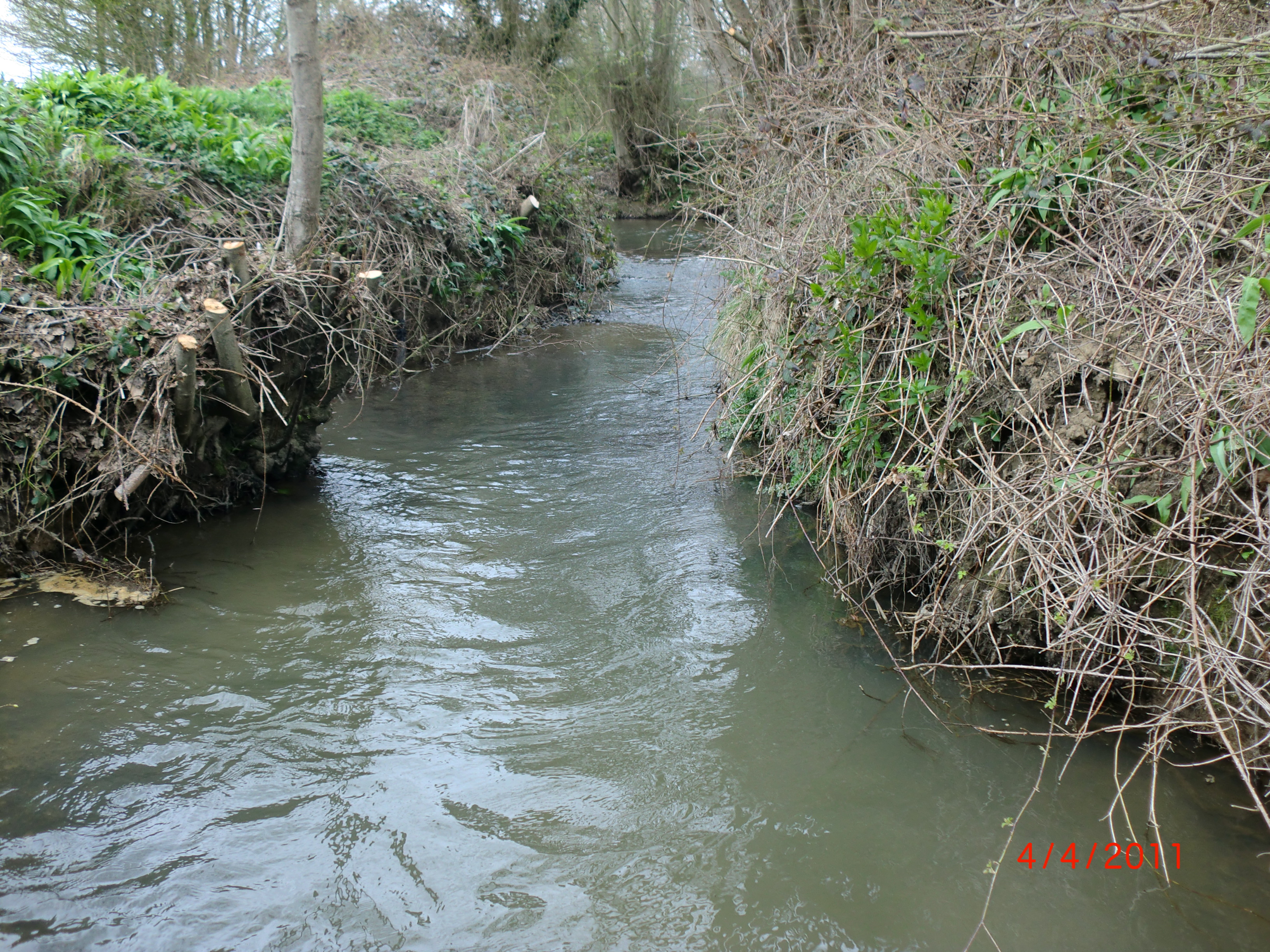
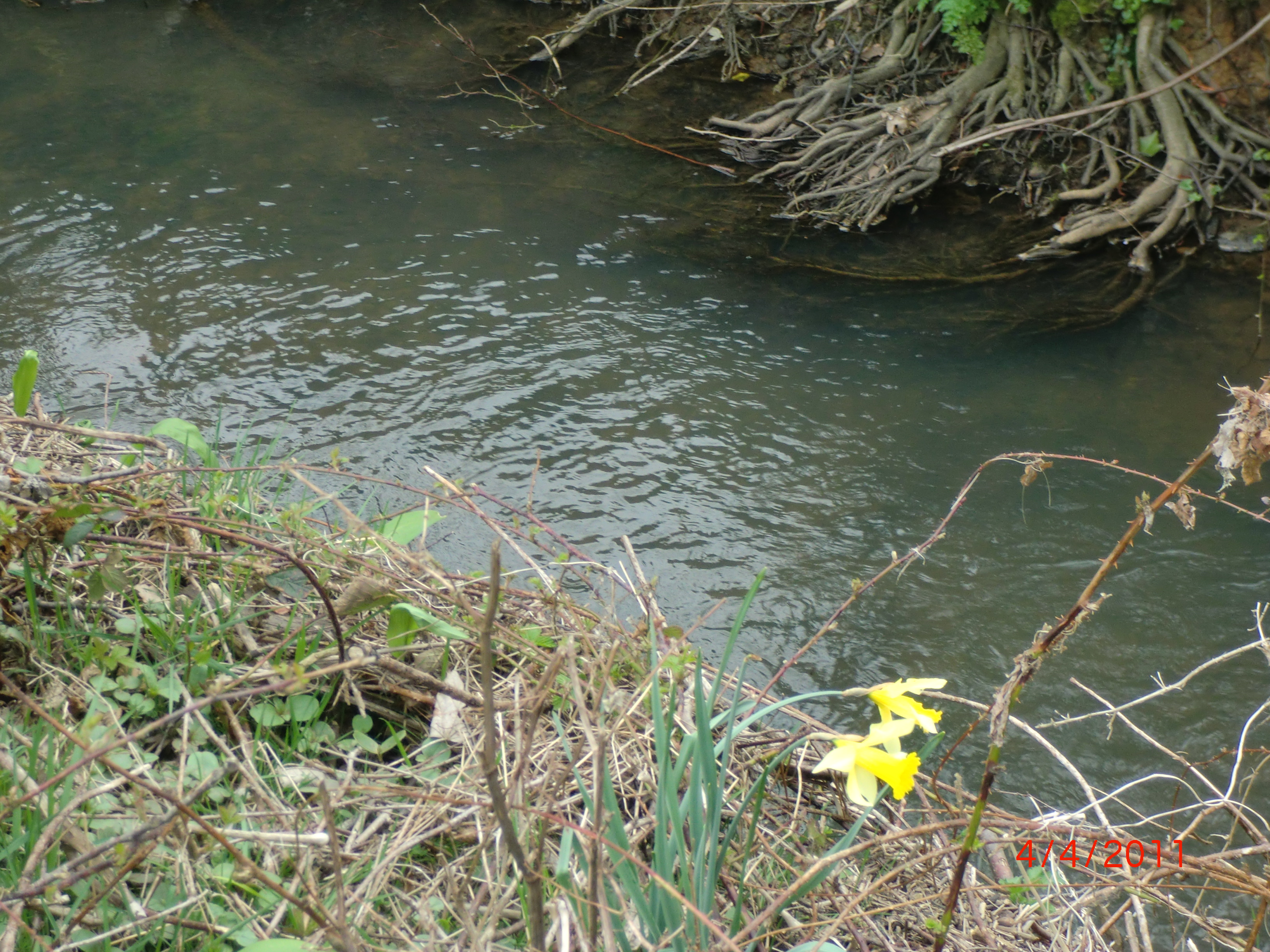
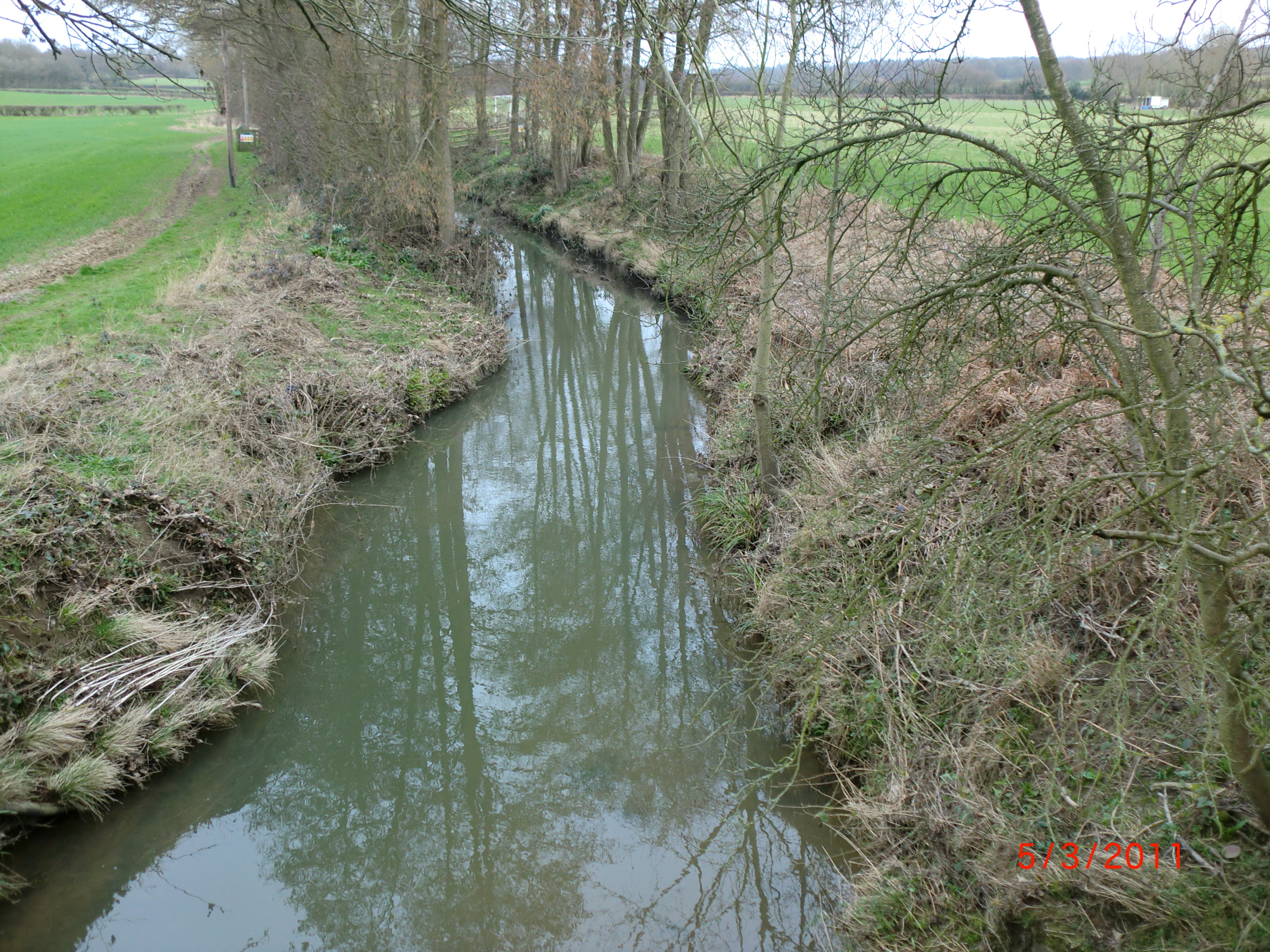
Our day together started with a walk along the banks of the Shep, a glorious but tiny chalkstream (rarely more than ten feet wide)

which is faring better thanks to the efforts of the ‘Friends of the River Shep’ who have used conventional techniques to promote spawning grounds, encourage weed anchorage, ensure security from predators (at least from most…there are an alarming number of American Signal crayfish here)

and a habitat for the population of wild fish to flourish. And we saw several fish, but they were so alert that our bush craft approach was insufficient to stop them skidaddling, even when we were downstream and fifteen meters away, they saw us.

Then we drove to the headwaters of the Shep which are contained within the RSPB’s Fowlmere Nature Preserve, and with juvenile trout, well used to bird watching walkers (humanoids), it was lovely to spot the most beautiful of small wild fish, fearlessly holding station, and occasionally, coming up to feed off the surface –

This was/is so special….the Friends of the River Shep should feel truly proud of what they are achieving, in the name of restoration, and their clearance program has produced much weed growth and we identified water crowfoot, starwort, burweed, fool’s water cress, water cress, mint, and lesser water parsnip…and there is probably more!

This river may never be a fishery…but it is testament to all Rob believes in making these ancient streams become again, an essential part of the rural scene for the enjoyment and appreciation by all, of our glorious countryside.

Then we went to fish-

May 2011 – the Cam

The disturbing fact about this river, which rises near Linton in Essex, is that flowing through arable land, in this year of an April of the highest temperatures ever recorded, it is being overly abstracted (raped) of its flows. The potato fields are being sprayed by the eccentric arcs of plumes of river water for hours on end which means that river levels are now unusually low and fish stock is vulnerable to cormorants et al. Weed has not grown to give trout the cover and security they need, and aquatic fly form is insufficient in volume to provide them with the food they need, although I did see my first Mays of the year which are at least two weeks earlier than is normal. We watched two good sized trout which were agitated and not by our presence, and it was the arrival of a large pike which reminded us that these trout have more to worry about than aerial predation.

Not too much fly on the beat we fished near Whittlesford,

but when we spotted some movement, and  nymphing using a copper headed bug, tied by Rob, produced my Cantab trout. And shortly afterward, and at about 3 pm., when a hatch got them coming up, another of Rob’s creations, a mosquito yellow klinkhamer, produced another.

It was not easy fishing, though, and accessing the water required slipping down nettle laden banks, which put my felt soled wading boots to test. So much so, that my next purchase will be rubber soled boots, which will, in any case, be needed in July when Fraser and I fish Montana. I predict that felt will disappear (just as have metal studs on golf shoes, albeit, for totally different reasons)

I had to leave Rob for a dinner date in North Norfolk (of which more), but was happy to receive a note from him later that evening, confirming that the fish which eluded us, had been netted by him –

“I went back to “my beat” of the Cam at 8pm. A few fish were rising to hatching sedge by 8:30.   I picked up that larger one near the over hanging willow on a grh.ear cdc emerger which about 11inches.   Then I manged 2 more at about 8inches in an pale deer hare sedge in the faster run where you were waiting for a rise.”

Thanks, Rob, for an inspiring day….and I hope your trip to New York the next day, was as exciting an experience, as you hoped.

SOUTH YORKSHIRE

Tags

, , , , ,

The romantic in me quite liked the idea of trying catch a South Yorkshire trout from the Rother, because my Darling Wife hails from Rotherham! And only weeks ago, we drove down memory lane in said town, and I noted the possibility, but a web search failed to find likely connections.

Meanwhile, I have netted a brown (two actually, and a grayling) from a Rother, anyway….the one which rises in Hampshire and flows through West Sussex, and is a tributary of the Arun. (Strange that East Sussex has its own Rother, too, but I digress)

I discovered that the Rother offered some free fishing in Petersfield, on a short beat owned by East Hampshire District Council, and this was written up in a good article in last September’s edition of Trout & Salmon, by Jon Beer. A note to EHDC produced a very helpful response from Land & Property Manager, Chris Fairhead and a spare day meant a short run down the A3 for a lovely morning’s fishing in yet more early Spring sunshine, with only the cries of small kids out with Mum, bird life, and the odd yell from me from yet another catch up in the overhanging overgrowth, for distraction.

Where is this going, you may ask?

I have only written a couple of pieces on fishing forums. A casual read demonstrates that there is too much banality and banter, some rudeness, some overt selling, and too rarely are they used, creatively and constructively as the site owners would wish. I came across one recently, (which I will not name) whose owner posted an apology for closing his, for just the reasons I have listed. Shame!

However, such was the response to my original post about my ‘mission’ on ‘Fly Fishing Forum’ that I persisted, and I am grateful for all those who have responded on my blog, on the thread itself, or by private email, to me for their interest, enthusiasm, encouragement and in addition, for several invitations, some sound advice.

One such was from “Tommy Ruffe” (?!) who directed me to no fewer than three options in South Yorkshire, and I chose –

April 2011 – the Don

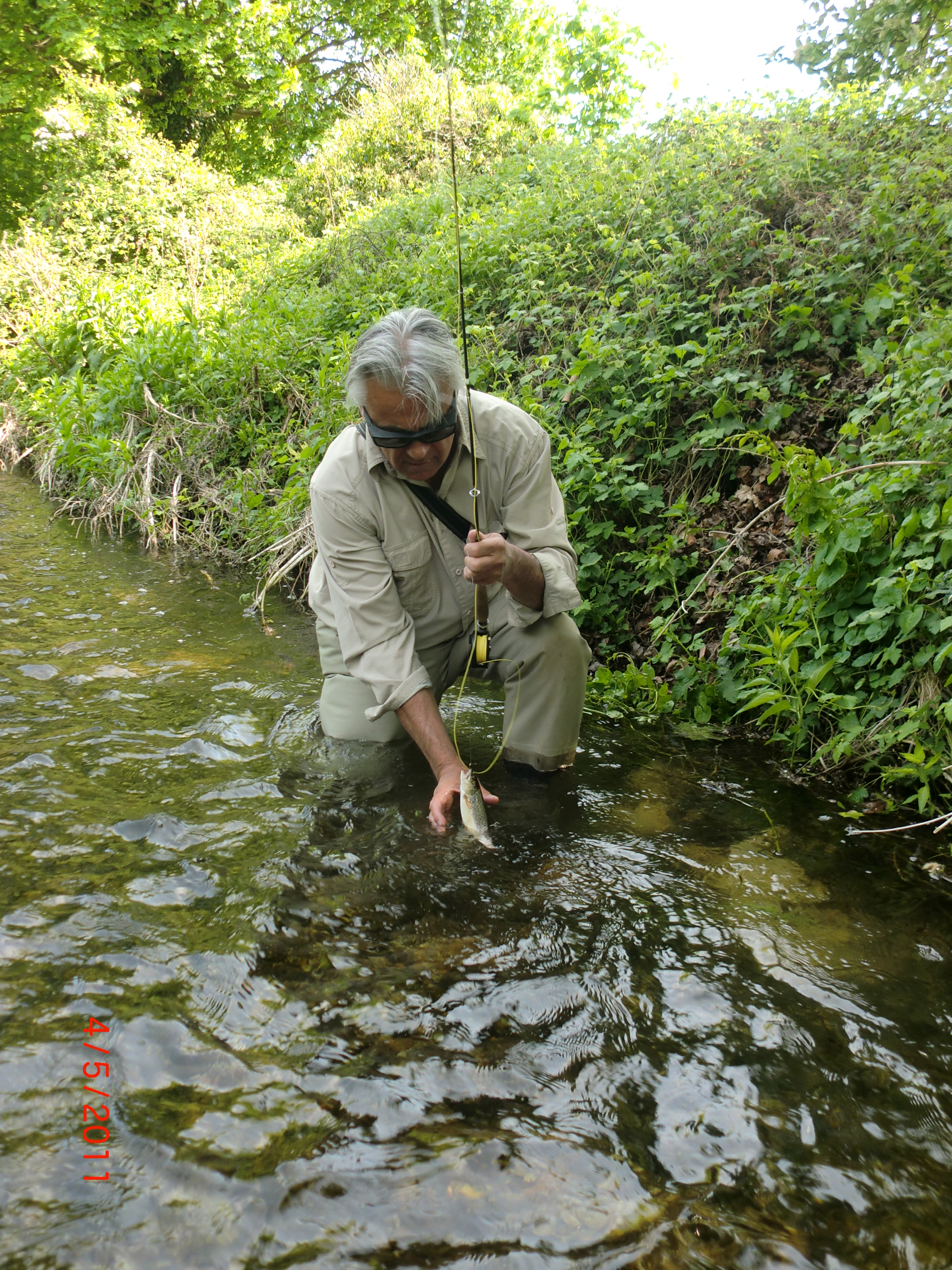
The Don, sometimes called the Dun, rises in the Pennines and flows for 70 miles and joins the Ouse near Goole in East Yorkshire. Incredidibly, to me, it flowed once to join the Trent, but was ‘re-engineered’ by Vermuyden, as the Dutch River, in the 1620’s!

“The Don can be divided into sections by the different types of structures built to restrict its passage. The upper reaches, and those of several of its tributaries, are defined by dams built to provide a public water supply. The middle section contains many weirs, which were built to supply mills, foundries and cutlers’ wheels with water power, while the lower section contains weirs and locks, designed to maintain water levels for navigation.” (Wikipedia)

And so it is at Oughtibridge.

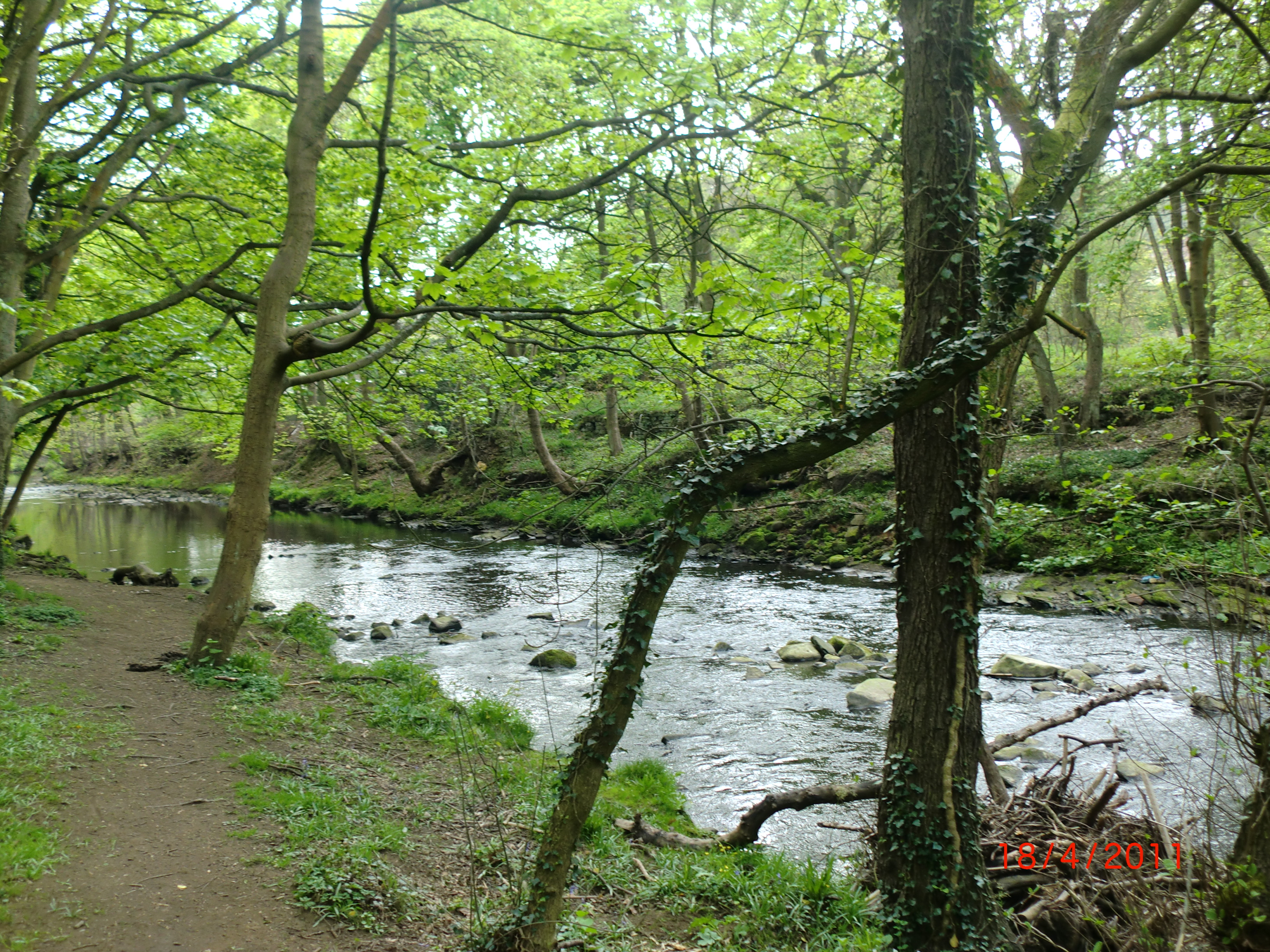
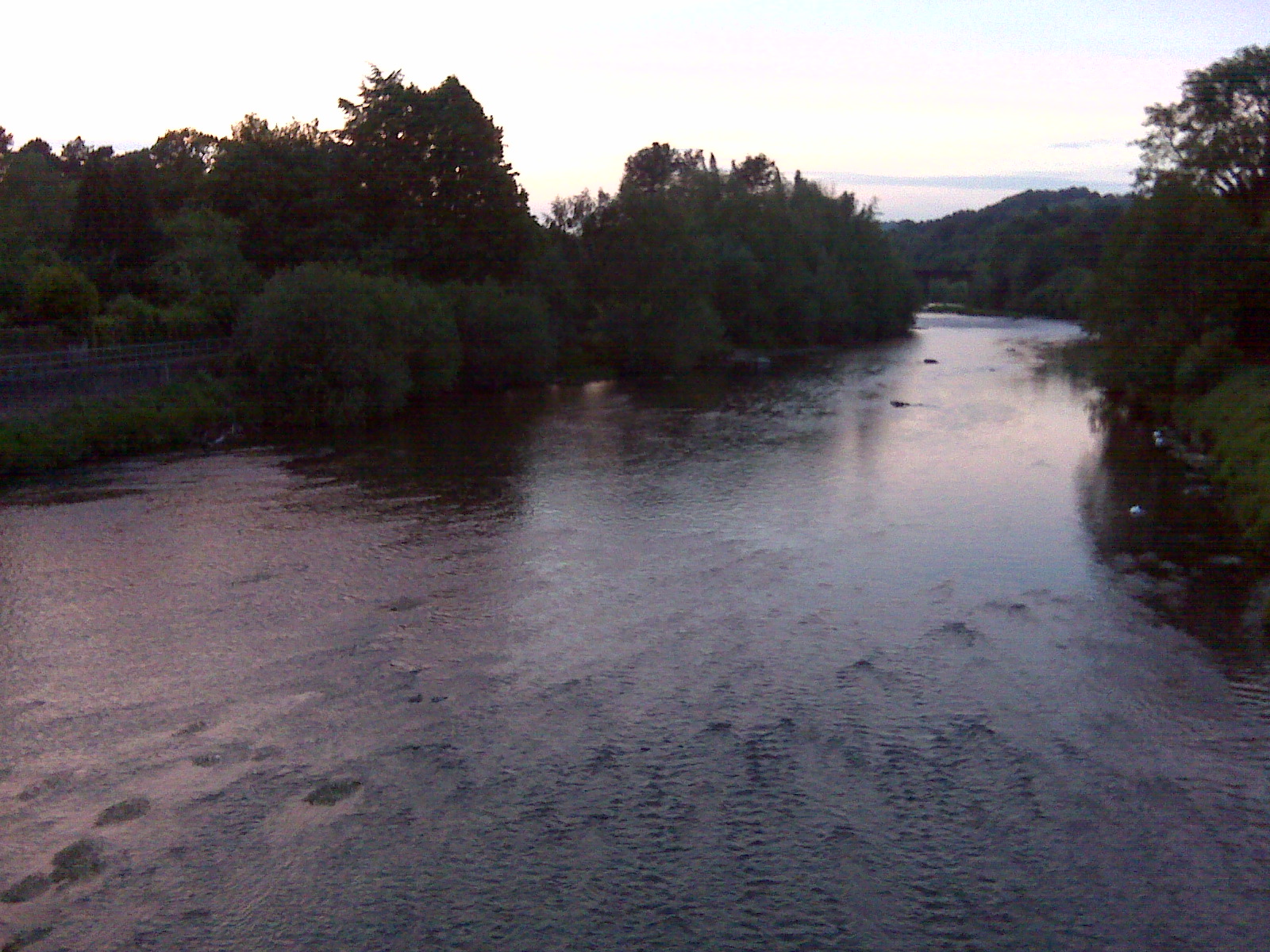
Only 6 miles from the centre of Sheffield, whilst a suburb and dormitory of the City, the Don, flowing through beautiful ancient wooded acreage,

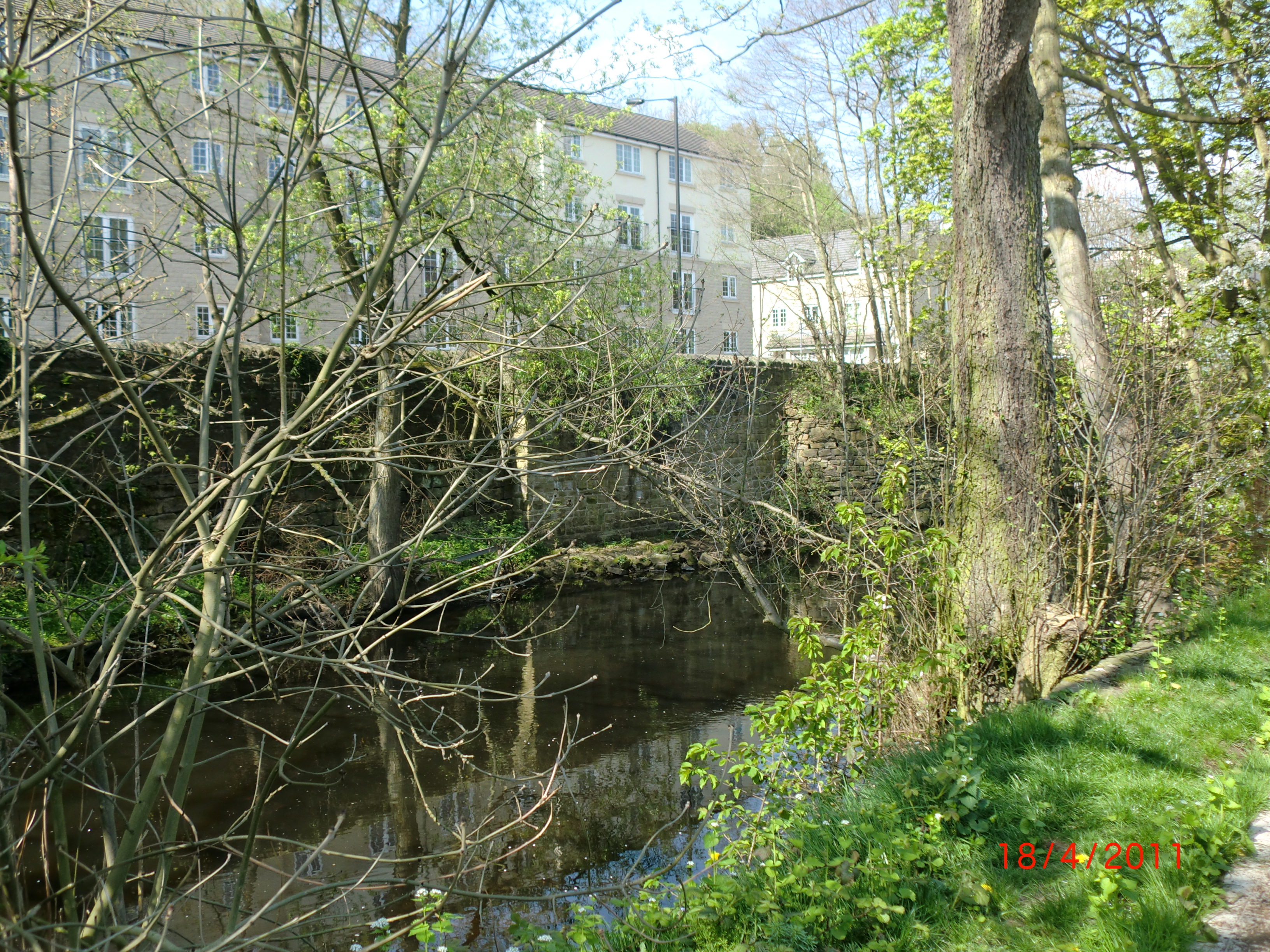
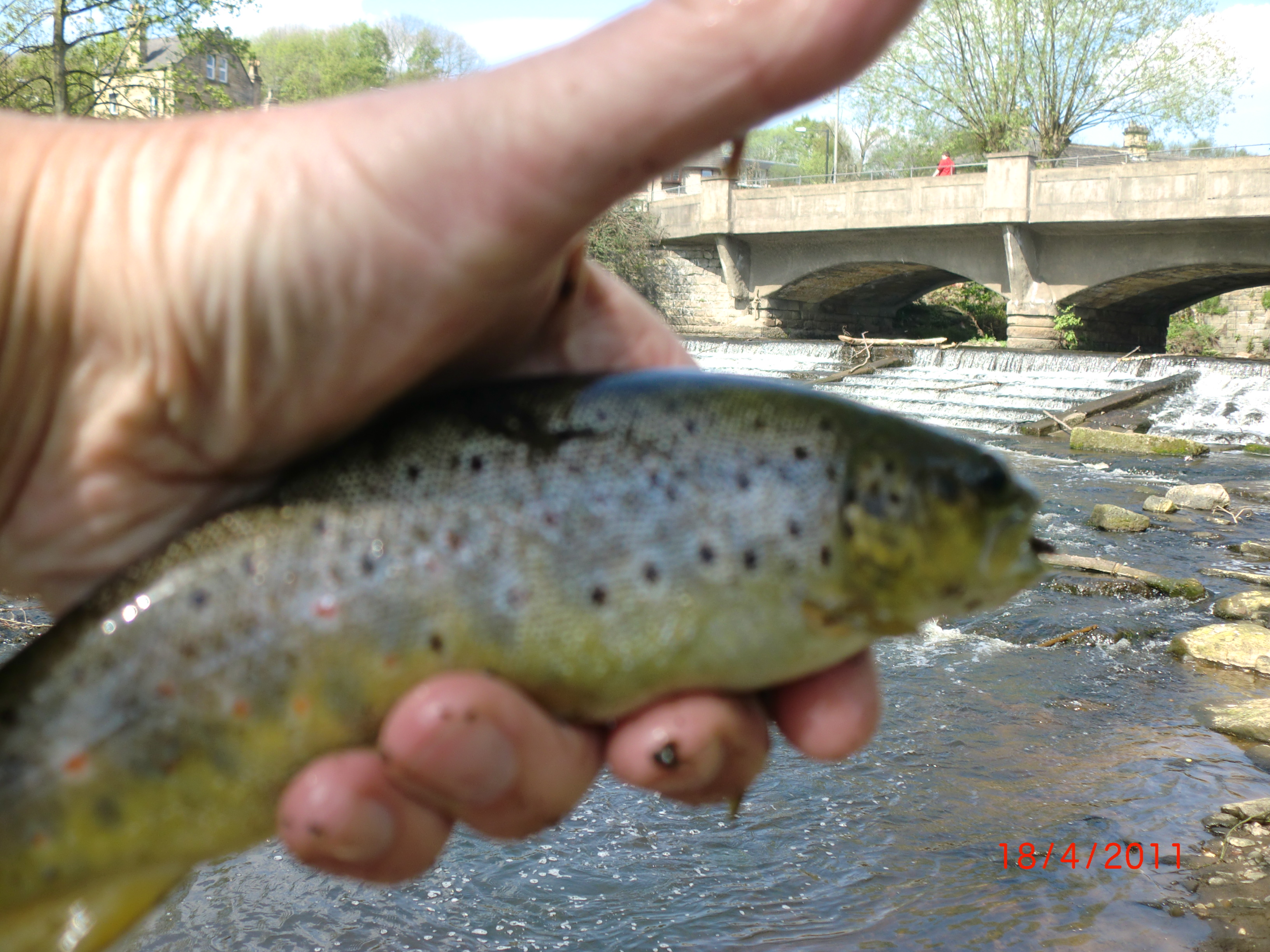
still shouts ‘urban’ at you. Below the town bridge is a stepped weir (there is another only a quarter of a mile downstream) evidencing what is described above, and across the upper runs, the buses and commercial vehicles pass by modern four and five floor buildings

containing apartments and flats, but are largely masked by foliage. The river this day was low, the rocks, after sunshine were covered in algae and slippery. To get to the water, it was necessary to clamber down steepish, dry mud banks where possible. Where not, this was because of concreted walled, or rock inlaid defences for what can only be to contain the rush of winter flood waters when the Pennines are awash, and this drain is one of few to relieve the hills of their watery burden. What the Don valley must look like in these conditions, I can only wonder. How fish find cover to prevent them from being washed down to Doncaster, I cannot imagine!

But….. the fishing is FREE, and the link is made! And it is so, all the way to Sheffield’s Hillsborough stadium, home of ‘The Owls’.

A bank side chat with William from Doncaster revealed that 25 years ago the river ran ‘black’ with industrial effluent. It still has too much man discarded detritus in it for my liking….but it also has grayling, so it must be clean. He also advised me that I was in ‘ooo-ti-bridge’ not in ‘or-ti-bridge’ as a local once corrected him!

Anglers are an impatient breed. A bit of sunshine and a bit of warmth in the air (it was 19c today) and we are ‘off’….well, Winters are getting longer? And I saw half a dozen fellow ‘impatients’, as well as couple of coarse anglers trotting for the grayling. It is only the third week in April, and the good weather has enabled me to get onto water four times, already. Me….impatient?

And I saw fish rising…lots of them, and all wild, for there is no stocking here. And my third cast into a pool below the town bridge produced my South Yorkshire trout to an olive klinkhamer.

And during the next few hours I worked my way downstream, leap frogging around fellow casters, to net another on a black gnat, then a third in a fast run on a PTN.

I probably fished a mile or so of stream, and there was plenty of variation. But the rising fish were in the slow, deeper glides are were not that easy to catch.

Another angler told me he was taking on Adams (#22), a typical early season fly. But I saw no duns, and only pale (watery) midge like flies on air, so the ‘rises’ must have been to emergers, and small ones at that.

Lucky folk those, Tykes, with so much good fishing to enjoy!

I am coming up again, next month, to fish the Rye in North Yorkshire, and the Driffield Beck in the East….just West Yorkshire to sort, now!

WORCESTERSHIRE

Tags

, , , , , ,

Surfing the net revealed that the county is bereft of trout streams. Its rivers and streams are mostly within the Severn catchment, and these are at levels where pace and depth are more the domain of bottom feeders. The search was revealing though.

I discovered the river Rea when I chanced upon Pete Marshall’s website and we had an exchange –

“Worcester itself has the lower Teme, the middle Severn and the Stour, all of which have Trout in them. The middle Severn and the Lower Teme are pretty tough going for the fly angler. Plenty of trout  about in the lower Teme as you find out when bait fishing later in the season and they ruin your day, however the river is pretty hard to fish on the fly, wading very difficult and dangerous and banks steep and overgrown.”

I thought that James at Gliffaes might have some ideas because he, and the Brabners  are so well connected with the fishing community that way, and through him, Simon Evans of the Wye Usk Foundation suggested the Rea (!)  but also Dowles Brook; and more searches connected me with the Tenbury  Fishing Association, and Lynda Rickett (aka Hon Sec) from whose enthusiastic writing I sensed, really wanted to help me, but most of their water on the Teme (which I would still love to fish, at some stage) represented the county boundary, and I have to fight fair! It’s only INside a county that counts!!

I also discovered, by luck, a property called Tundridge Mills, which sits on the Leigh Brook. I knew about the Leigh Brook, which with its near neighbour, the Cradley Brook, have featured in the WTT Auction the last couple of years. So, I wrote a completely speculative email to their web address…..and received a reply from Keith Beard, which was welcome and exciting.

“Dear Tony,

You are welcome to come and fish. We have about 700 yds of river bank.

You will be the only one to fish there since I last took my children, 15 years ago, apart from the Herons that is!

To my knowledge there are brown Trout and minnows.

Regards,

Keith”

April 2011 – the Leigh Brook

The previous day, Howard (Mann, of whom, more will surely follow!!) and I had been privileged to fish a private beat on the Usk near Talybont,  just a few miles out of Brecon,  courtesy of a fellow Director at a company where Howard is Senior Independent  NED. We fished and chatted hard, but caught nought!  “Too bright, too cold, not enough water “….was how Dai Land Agent defended the river.

So, and after a night at the Three Cocks Inn (yes!) near Brecon and a super, Welsh Lamb cutlet dinner et de vin rouge du maison (Oz), it was off to Longley Green, and SatNav allowing, I hoped to arrive by 10.Through beautiful Herefordshire countryside in the most extraordinary April sunshine, numerous mobile telephone conversations when connections allowed, being buzzed by SAS choppers, and into Worcestershire, I did…but only via courtesy of a farm worker ‘en Defender’, because my StreetMap printout was lacking, and Volvo’s SatNav does not allow full Post Code input (why not?)

I was greeted by Keith’s charming wife, Penny, and was intrigued to learn some of the recent history of their lovely home. I cannot do it justice, but to précis it…living in a home (as they have this one for 25 years) attached to a mill, beside a river, can become tedious, when winter floods flow through  your living room! So, Keith, an engineer, designed a method to eliminate this. He limited the flood water in the millstream by piping it under the garden, elevated by moving tons of earth into a long barrow extending the whole  length of the formal gardens of his home, and flood waters now irrigate the  meadow adjacent to the river, sixty yards away, and not his house. Simple, really….but an enormous amount of work! Some of the earth came from land levelled to build some very comfortable, modern cottages which are rented to holidaymakers on short term lets. Apparently, the angling community has still to discover this (they have a stocked lake of a quarter acre, as well) and mostly, visitors are ramblers.

The village of Longley Green is picture postcard with pretty white washed cottages, a pub and a post office, and a blaze of aubretia and daffodils. The setting at the Mill this day was serene. When I arrived there was not a cloud in the sky and in the bright sunshine, and with foliage yet to appear on the trees, the wild flowers were visible in the woods on the hillside opposite. Not a breath of wind, and warm already, and the only sounds, the cacophony of, crows crowing, cockerels calling, pheasant wings flapping and screeching, and the buzzing of bees awoken too early for their liking.

It was pure peace, and there is really no place in the World I would rather be, in early Spring, than in England.

Penny told me that there was a big fish the local lads tried to catch dangling bait over the bridge in the pool at the bottom of their beat.

Sounded like a good place to begin my quest, and walking across the garden still to decide whether this was to be a Halford or a Skues Day, I saw a rise, and this encouraged me. But as it happened this was to be the only rise I saw all morning, and Skues, won.

I fished ‘small’. My Loomis Xperience (7’6” for 4wt.) was perfect for this stream, and for flies, I tied a gold headed PTN (#18) to the point, and a black gnat (#22), to the dropper, on a leader, the length of my rod.

Brought up on a diet of spate rivers and chalk streams, I am having to learn the craft of small stream fishing, and must if I am to achieve my goal, for these streams are in the majority in non traditional trouty counties. And to remind myself of the need for stealth,

I saw and spooked my first fish quite early. This was the only fish I actually saw, because the sensible ones were hiding in the pockets. And it was not before I found one,

and netted Worcestershire at the same time. And relaxed now, I became more adventurous and slid down many a steep bank and into shallow water below pocket after
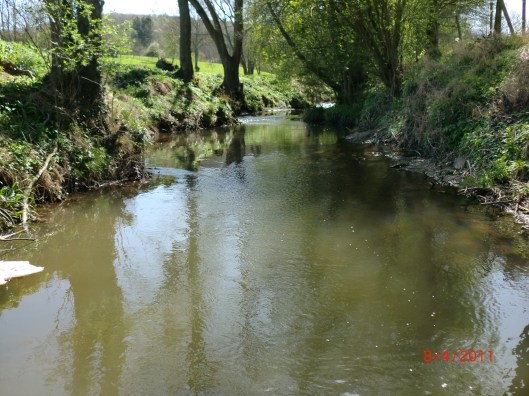
pool seeking out more fish, and did, hooking and losing, or netting on both flies. Only 700 yards of river but with many juicy looking spots, this is a lovely bit of water, but so much easier now, before the trees become fully in leaf, and even now, I lost at least three leaders to overzealous back casts.

I finally arrived at what Penny told me was the weir pool.
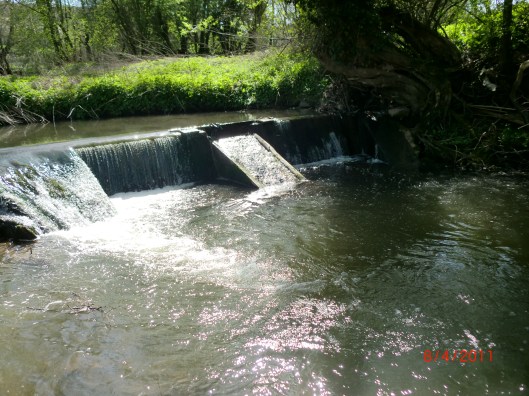
And unexpectedly, it was. This was fished with a short line, and yielded the best of my five, netted. All were 4 – 5”, wild browns with characteristic red spots,

and some with a char like white edge to the tail fin. My ‘specimen’ which told me that after only two and half hours, it was time to stop and enjoy, thoughtfully, my morning, was about 3/4lb, and a real scrapper, which will be a 1lb-er before it spawns next Winter, I hope.

My day concluded with a grateful (and boastful!) showing of my pictures to Penny, who shared my joy in success, and told me that I must return (and maybe, even stay!)

What a morning, and I am justly thankful to Keith, and take pleasure in recommending Tundridge Mill to my readers.
EAST SUSSEX

Tags

,

Its April 4th and early in the season for me. I can only remember fishing earlier, when eager to start, I rushed to Brecon to fish opening day on the Usk (March 3rd), maybe twenty years ago. It has been sunny for some days and the forecast for this day was good, so freeing up time, I headed off in Tonka Too (cleaned, and fully loaded with all the tackle I should need for the ‘Campaign of 2011’) for Sussex.

April 2011 – the Dudwell

I have joined Burwash Fishing Club, and already checked out the beats during the close season weekend of sister Carolyn’s latest big birthday party, so I knew where to start on a lovely sunny morning. It is as Jonathan described it, and I wrote to him –

“I visited the Bateman beat today and fished downstream of the Dudwell Bridge in mid  morning sunshine.

Interesting and difficult…to be mountain goat-like would be an advantage, and I am not! Sunny to start with but getting windier and greyer, and casting a downstream nymph, I had nothing.

Your Bailiff, Ben, and I had a chat and after, I went above the bridge and spooked a lone trout in the shallows.

I cast, again, downstream nymphing, in a number of places, to no avail.


Walking around the field on the (true) right bank, now and over the bridge and through the gate to the narrows, I spotted some bank work, which was a useful ‘clue’.

Sliding into the water and casting upstream for the first time, I had a 5” fish which took the PTN on the point in a pocket etched out beside the roots on a bankside tree.


Brilliant…a very early season visit, which repaid my endeavour with an East Sussex trout, and a new ‘County’ for my list. But….I will take advantage of my membership. Yours is a tricky water, and I cannot imagine how hard it will be when the foliage is dense in the Summer!

But I hope you will tell me that upwings are the norm and that dry fly can be productive in weeks to come!

One note , of which you may be aware. When back at my car and retying a lost cast, a dog walking ‘local’ told me he saw mink in the lower beat, last weekend.”

Ben also told me this stretch of this diminutive river contains only minnows and trout, as well as the odd sea trout, and lampreys….and I watched a small one wriggling amongst stones in the shallows (I have never seen one before, but did enjoy ‘Lamprey Bordelaise’ at Chateau Giscours at lunch in the Summer of 1979!?)

Just three hours of fishing….and it felt good to be back in the waders again, and enjoying a beautiful part of England in the colour of our Springtime.

GLOUCESTERSHIRE

Tags

,

Years ago, and in the early nineties, I was running a piece of business for GrandMet, and working from the UK HQ in Harlow New Town in Essex. The Whitbread business (then into brewing and pubs, wines and spirits, as well as retail, restaurants and off licences, and much unlike today’s hospitality group) owned the Threshers chain, and latterly Victoria Wine and other acquired chains, such as Ashe & Nephew.

The company was run by the legendary Gerry Walton and Ralph Hayward, and they, understanding the value of trading relationships, annually would host a special evening of , dining and entertainment (unusual for a client company!), which in the year in question, was at Blenheim Palace, home of the Marlboroughs, and latterly the seat of the Churchills.

I mused…’there’s a decent trout stream nearby, n’est-ce pas?’ and, ‘doesn’t The Bull at Fairford manage a stretch of it?’  Thank you Trout & Salmon’ classifieds!

Sometime in the 90’s – the Coln

It was June and with the Black Tie beckoning, an early afternoon arrival at the hotel, meant only some three hours fishing, but this was pre-Mission, and recreational.  The day was sunny and the river above the Bull beat looked promising because it did not include the children, dog walkers and the many locals enjoying their riverside on my beat, below the road bridge.

Amongst flowing weed, only a few fish rose in the bright light and distractions, and mine (and for a couple of other anglers) was an exasperating two and a half hours…..until, and whilst walking back to the hotel , I casually cast into a carrier and hooked and netted a ten inch fish, for my Gloucestershire trout!

East Sussex

Tags

, , , , , , , , , ,

This is a story about fraternity and enthusiasm.

East Sussex is much like its West(ern) cousin, and unlike its northern neighbour, Kent. Streams are coarse fishing delights, but the character and weediness of downland chalk is absent, and the rivers are short and subject to tidal influence. Sea trout run in some and in the upper reaches of a few there are browns, but they are as few as the reaches they exist in.

Where to start?

The WTT and the STA sites offered no hope. On some other search, I discovered that the National Trust occupies watery space, some of which contain flowing water and trout, too. And in East Sussex, the Dudwell flows through a property called Bateman’s, a Jacobean mansion, once the home of Rudyard Kipling, and run by the NT, and the Burwash Fishing Club has the water either side of its boundaries. (It can also be found on the Go-Fish website).

A note to Secretary, Jonathan Deeley revealed :

The Dudwell is a small river running over clay and contained between high banks. A lot of it is wooded and there are very few places where it is possible to back-cast, therefore the fly-fisher has to rely on roll-casts and ‘catapult-casts’. There is a mayfly hatch, and other various ‘up-wings’, hawthorns, gnats etc, but for the most part the trout are taken on nymphs.


As it is a small club, membership opportunities are few, and day tickets are not offered…but I am on the waiting list! So good news.

Other connections were made. To Lewes AC., and I found Mike Richardson of Southdown AC, and asked him for the name of his counterpart at Isfield & District AC., whose waters seemed more likely for my task. His counterpart’s (another Mike’s) response was helpful and indicated where there are trout in the Uck.

But it was a note back to Mike (R), in thanks for his introduction, which yielded the following –

Hi Tony,

You should try the River Cuckmere above Horsebridge (near Hailsham)

Get in touch again next spring & I’ll try to point you in the right direction.

Best regards & tight lines,

Mike

So now you know where I am…three streams where by the sound of it, with steeply sided banks and a fast overgrowth of vegetation, an early season visit is a must, plus the prospect of a variety of upwings coming off….who knows?

Thank you to all the East Sussex enthusiasts who have shared, willingly, their knowledge and offered thoughts and time to help me. The Uck, the Cuckmere, the Dudwell…we will see!

Watch this space…literally!

KENT

Tags

, , , , , , ,

Living in Kent for twenty years, I eagerly sought out trout in a county which has its share of chalk streams, but the county waters are shallow and under protected and predated both by bird life and poaching. There are trout in the Darent(h) and the Cray, and further out of London, the Eden and Teise, but perhaps the most prolific (and attractive) river is the Stour.

In the nineties, I fished and caught trout in both the Teise and the Stour.

Teise

The river is mostly swift flowing over gravel, with streamy sections alternating with deeper pools. Good summer flows are maintained by water discharged from Bewl reservoir. I was a member of The Teise Anglers & Owners Association for a few seasons and it controls approximately eight miles of the river, deep in the heart of the beautiful Kentish countryside, between Goudhurst, Marden and Collier Street . A typical small stream where careful casting is a must, to the patient it yields a few fish, and I found mainly the stocked browns, and the odd rainbow, and nearly always on nymphs.

Great Stour

The Stour meanders through farmland between Ashford and Canterbury, the most fishy waters seemingly upstream of the A2 trunk road. Midway is the very lovely Chilham Mill,

sitting on a stretch of water owned by South East Water, which includes a beat a few miles downstream at Thannington.

When I first fished the river here, it was a day ticket water run by Mid Kent Fisheries. Wadeable, and gently flowing through the Mill grounds it contains surprisingly large fish which gorge themselves on shrimp and a healthy diet of flylife, and offering good dry fly fishing from the A28 road bridge to the pool below the narrow bridge on the alternative stream bypassing but adjacent to the Mill. I stood happily catching brownies from there one evening, but derived as much enjoyment watching the small school of perch swimming around my legs! And, there is plentiful birdlife for distraction during dog days…..it is a very pretty and calming place.

At about the Millenium, it converted to a Members’ Syndicated water, and I was lucky enough to be invited to fish the Thannington stretch by Richard Wise, a member there, as well as a fellow member, with me, of Trossley Fly Fishers (Chaired by Fellow Master, Mike Stemp!) near home.

Last year, SEW announced that following a strategic review of assets, it was to sell Mid Kent Fisheries (which includes carp lakes) and the Chilham Mill site.

On January 18th this year (2011) the Company announced the sale to a management buyout led by Chris Logsdon, who has run the fishery successfully for twenty years…..good news, indeed.

CUMBRIA

Tags

, , , , ,

I first fished Cumbria in the mid nineties when staying at the Samling near Windemere, and found my way onto the Brathay. This is a short river (4 miles) linking Elterwater and Windermere via the River Rothay. It has small wild browns in it which are hard to catch, and I only managed to net one!

Years later, and Sue was invited as Guest of Honour, and Key Note Speaker at St Bees GPDST. A lady Governor’s husband, Anthony Creed, on hearing of my misfortune, offered to take me fishing instead!

May 2008 – the Derwent

Anthony, a doctor, collector of old cars, furniture restorer, and I met at the Great Braughton beat of the Cockermouth AA water, just a few miles south of the town. The river here resembled what I feel a salmon and sea trout water should, with the trouty bits limited to just a few riffles, and if maybe this affected my confidence, and there no fish for either of us, though in truth I did see some rises, but in water too deep to reach. The day was cool, damp and windy.

Ours was only to be a morning together, and in order to get onto the AA’s Guest Water upstream of the town, in the afternoon, I needed a permit. After trekking the town following the wild goose chase from those with no interest in fishing nor local knowledge, it was Cleelands, the furniture shop in Main Street which yielded what I sought. Why I did not think of that….?!

Again, the water upstream is salmony, indeed the guest map highlights the key pools (Ladyboat, Woodbottom, Danger Hole) and I picked up a number of parr and smolt, but, and in mainly faster runs, but also a warmer afternoon, I also took four beautiful brownies to about 3/4lb on black gnat, and goldhead PTNs. Visitors beware…follow the footpath shown on the beat map to the river. Otherwise its a long stroll, or a bull avoidance exercise!

I might not have posted a report of my trip. but ‘davidms’, a contributor to the Fly Fishing Forums enquired whether I had visited Cumbria, so I decided to.

Since my visit, the fishing must have changed, as I replied in my note to him –

David….thank you for your response.
I have fished Cumbria, and had success on the short River Brathay, maybe ten years ago, and then on the Derwent in 2008 (see ‘GB’ page) but have to write these up (so will do so).
The Derwent is an impressive river, but as recent events reveal, a tragic one too, and I hope that for all those affected by the disastrous floods of November 09, life has returned to normality. On my trip there I stayed in Cockermouth, and the TV news footage showing the town centre was unimaginable. I understand that much of the fish life was washed downstream in the flooding, and wonder how the efforts of replenishment have gone?